

What bike frame is best for teen
The best bike frame for a teen is one that fits the rider now: check measured height and inseam, comfortable stand-over, easy reach, brake control and confidence.
Choose fit, not a frame label
A teen does not automatically need an adult frame, and frame size cannot be chosen reliably from age alone. Wheel size is a useful starting point, but two bicycles with the same wheel size can still feel different because their frame shapes and riding positions may differ.
Have the teen try the bicycle whenever possible. They should be able to stand over it comfortably, mount and dismount without struggling, steer without stretching, and operate the brakes confidently. Do not choose an oversized bicycle merely to leave room for growth. A frame that is difficult to control now is the wrong choice.
Measure before comparing frames
- Measure height: Have the rider stand without shoes against a wall, looking straight ahead. Record the floor-to-head measurement.
- Measure inseam: With feet slightly apart, measure from the floor to the crotch. Use this to judge whether the rider can stand over the frame comfortably.
- Check reach: On the bicycle, the rider should reach the handlebar without locking the elbows, leaning excessively or feeling cramped.
- Check brake access: The rider must be able to reach and operate the brake controls while maintaining a secure grip.
- Observe control: Ask the teen to start, stop, turn and dismount in a suitable controlled area. Current confidence matters alongside physical dimensions.
Use wheel size as a starting point
The XBikes ranges below help narrow the search; they do not replace an individual fit check.
| Wheel size | Starting age | Rider height |
|---|---|---|
| 20 Inch | Ages 7–12 | 48–60 in / 122–152 cm |
| 24 Inch | Ages 10–14 | 54–64 in / 137–163 cm |
| 26 Inch | Youth and adults | Over 60 in / 153 cm |
There is intentional overlap because height and age do not determine fit in exactly the same way. A rider over 60 inches may begin comparing 26-inch options, while a rider between 54 and 64 inches may begin with 24-inch bicycles. In the overlap, try both sizes and reject either one if stand-over, reach, braking or handling is uncomfortable.
Compare the frame where the rider contacts it
First check stand-over with the teen positioned over the frame rather than sitting on the saddle. Next, check the seated position: hands should reach the handlebar naturally, and the rider should be able to look ahead and steer without strain. Then confirm that the brake controls are usable from the normal riding grip.
Do not use wheel diameter as proof that a frame fits. Compare the complete riding position on each candidate. Adjustable components may help refine a suitable fit, but they should not be used to disguise a frame that is fundamentally too large, too long or too cramped. Follow the exact product manual for permitted adjustments, assembly and maintenance; consult a qualified bicycle mechanic when instructions or compatibility are uncertain.
How the supplied cruiser options are relevant
The catalog provides practical 24-inch and 26-inch beach-cruiser comparison points for teens whose measurements place them in those starting ranges. The XJD 24-Inch Green Beach Cruiser Bike with U-Brake is offered in Green / 24 Inch, Pink / 24 Inch and Pink / 26 Inch labels. The Pink XJD Beach Cruiser Bike, 24"/26", U-Brake is offered in 24 Inch and 26 Inch labels.
These particular catalog options help answer the frame question by allowing a measured rider to compare two relevant wheel-size starting points within the same Beach Cruiser Bikes category. Their listed sizes still do not establish individual fit.
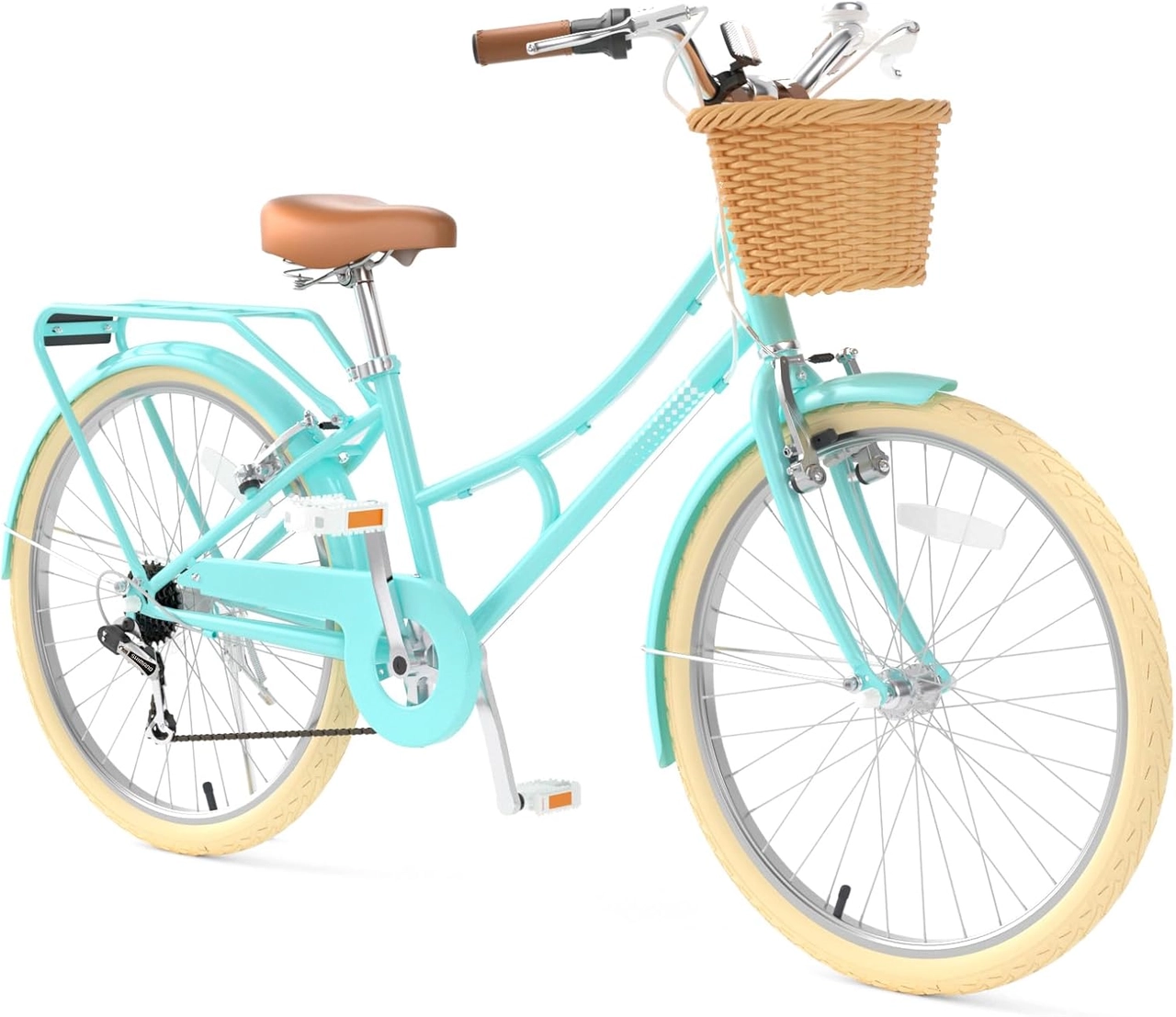 XJD 24-Inch Green Beach Cruiser Bike with U-Brake
A Beach Cruiser Bikes option with Green / 24 Inch, Pink / 24 Inch and Pink / 26 Inch SKU labels, useful for comparing relevant starting sizes after measuring the teen and requiring an individual fit check.
 Pink XJD Beach Cruiser Bike, 24"/26", U-Brake
A Beach Cruiser Bikes option offered with 24 Inch and 26 Inch SKU labels, making it relevant for measured size comparison; neither label alone confirms stand-over, reach, brake control or rider confidence.
Consider a 24-inch version when the rider measures 54–64 inches / 137–163 cm, then verify stand-over, reach and braking in person. Consider a 26-inch version when the rider is over 60 inches / 153 cm, subject to the same checks. If the teen falls outside those ranges or cannot control either size comfortably, neither supplied product is relevant merely because it is marketed as a bicycle option.
Make the final decision safely
- Choose the candidate the teen can mount, stand over, steer and stop confidently today.
- Reject a larger frame bought solely for future growth.
- Confirm all adjustments and assembly against the exact product manual or with a qualified bicycle mechanic.
- Use a properly fitting bicycle helmet that sits level, with straps fastened and adjusted according to its manufacturer’s instructions.
The best frame for your teen is therefore the smallest suitable candidate that passes the teen’s current stand-over, reach, brake-control and riding-confidence checks—not the size predicted by age or future growth.
Bikes for your next adventure
-
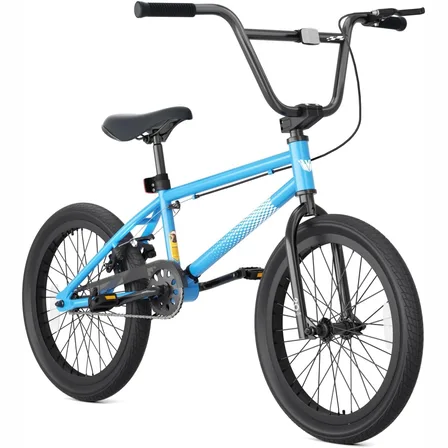
Blue XJD Freestyle BMX Bike, 20-Inch – No Pegs
The XJD 20-Inch Blue Freestyle BMX is an entry-level BMX bike for boys and girls…$189.99
-

26-Inch XJD Beach Cruiser Bike for Girls – Purple, V-Brake
This XJD 26-inch purple beach cruiser is sized for big kids and teens — suggeste…$218.49
$229.99 -
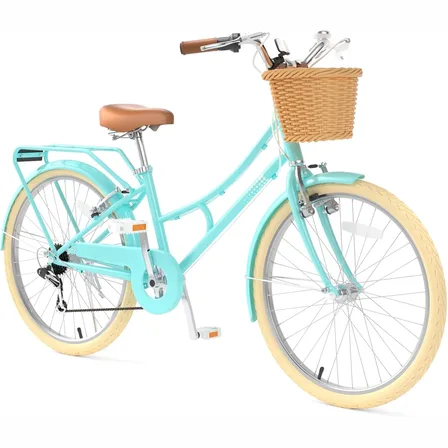
XJD 24-Inch Green Beach Cruiser Bike with U-Brake
This XJD 24-inch beach cruiser in green is made for riders about 4'8" to 5'4" ta…$159.99
$199.99