

What height for 20 inch bike
A 20-inch bike is a starting point for a child 48–60 inches (122–152 cm) tall, usually age 7–12, but measured fit and control decide.
Measure height and inseam first
Measure the child without shoes on a hard, level floor. For height, have them stand straight against a wall and measure from the floor to the top of the head.
For inseam, place a firm, thin book between the legs with its edge raised to simulate the bicycle saddle. Measure from the floor to the top edge of the book. Record both measurements in inches or centimetres. Height places the rider in the XBikes starting range; inseam helps you assess stand-over when the actual bicycle is available.
Age is only a secondary reference. Two children of the same age can differ in leg length, arm reach, coordination and confidence.
Compare the measurement with the 20-inch range
| Wheel size | Rider height | Starting age |
|---|---|---|
| 16 Inch | 40–48 in / 102–122 cm | 4–7 |
| 20 Inch | 48–60 in / 122–152 cm | 7–12 |
| 24 Inch | 54–64 in / 137–163 cm | 10–14 |
A child within 48–60 inches is in the XBikes starting range for a 20-inch wheel bike. Overlap with another range does not settle the choice: wheel size is not the same as frame fit, and bicycles with the same wheel diameter can feel different.
If the child is below 48 inches, do not move them onto a 20-inch bike merely because they may grow into it. If they are near or above 60 inches, compare an individually fitted 24-inch option rather than assuming a 20-inch bike will remain suitable. Never choose an oversized bicycle solely for future growth.
Perform the fit check on the actual bike
Have the child try the assembled bicycle with close adult supervision. Check these points before deciding:
- Stand-over: With the child straddling the bike and both feet on the ground, confirm that they can stand over it comfortably rather than being forced onto tiptoes or against the frame.
- Starting and stopping: They should be able to mount, start, stop and put a foot down without struggling or losing control.
- Reach: They should hold the handlebar without stretching, locking their elbows or leaning excessively.
- Steering: Ask them to make controlled turns at low speed and look ahead while keeping a stable riding position.
- Brake control: Confirm that their hands can reach and operate the fitted brake controls confidently. Follow the exact product manual for adjustment details.
If any of these checks fail, a height-range match is not enough. Compare a different size or frame, or ask a qualified bicycle mechanic to assess the fit. Do not improvise assembly, compatibility, maintenance or torque procedures that are not stated in the exact product manual.
How the supplied 20-inch products are relevant
All three supplied XJD training-wheel bicycle listings include a “20 Inch” SKU label, so they are directly relevant options to compare after the rider falls within the height starting point and passes an individual fit check. Their supplied catalog facts establish wheel-size availability and category only; they do not establish frame dimensions, brake type, weight, materials or suitability for a particular child.
 Girls' Training Wheel Bike by XJD, 12–20 Inch Wheels – Blue
A Training Wheel Bikes listing with 12 Inch, 14 Inch, 16 Inch and 20 Inch SKU labels. Its 20 Inch option is relevant for an individual fit comparison.
 XJD Girls' Bike with Training Wheels, 12/14/16/20 Inch – Purple
This training-wheel bicycle is supplied in four labeled sizes, including 20 Inch. Compare that specific option only after measuring the rider and checking present control.
 XJD Kids Bike for Girls – Pink, 12/14/16/20 Inch with Training Wheels
This Training Wheel Bikes product includes a 20 Inch SKU label as well as 12, 14 and 16 Inch labels, making its 20 Inch version relevant to the query.
Girls' Training Wheel Bike by XJD, 12–20 Inch Wheels – Blue is listed in the Training Wheel Bikes category and offers 12 Inch, 14 Inch, 16 Inch and 20 Inch labels. Select the 20 Inch version when making a 20-inch comparison.
XJD Girls' Bike with Training Wheels, 12/14/16/20 Inch – Purple has the same four supplied size labels and belongs to the same category. Its title identifies training wheels, but that does not replace checking the child's balance, confidence, reach and control.
XJD Kids Bike for Girls – Pink, 12/14/16/20 Inch with Training Wheels also includes a 20 Inch label alongside 12, 14 and 16 Inch choices. Treat each label as a distinct wheel-size option; do not assume the smaller versions fit like the 20 Inch version.
For any of these products, verify the selected SKU before purchase and consult its exact manual for assembly, maintenance, load limits and compatibility. Use a qualified bicycle mechanic when the manual does not resolve a fit or setup question.
Make the final 20-inch decision
- Measure the child's standing height and inseam.
- Use 48–60 inches (122–152 cm) as the 20-inch starting range, with age 7–12 only as a secondary guide.
- Confirm comfortable stand-over, natural handlebar reach, controlled steering, confident stops and usable brake reach on the actual bicycle.
- Reject the 20-inch choice if the child cannot control it now; do not rely on future growth.
Finish by fitting a bicycle helmet that sits level, fits properly and has its straps used according to the helmet manufacturer's instructions. Choose the 20-inch bike only when both the measurement range and the child's present fit and control agree.
Bikes for your next adventure
-

26-Inch XJD Beach Cruiser Bike for Girls – Purple, V-Brake
This XJD 26-inch purple beach cruiser is sized for big kids and teens — suggeste…$218.49
$229.99 -
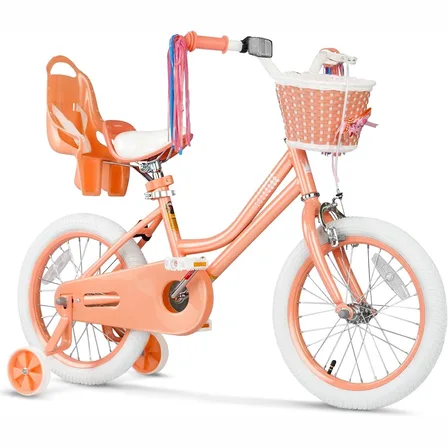
Girls 12/14/16 Inch Kids Bike by XJD with Training Wheels – Peach
The XJD Girls Bike in Peach is a training-wheel bike built for girls roughly 3 t…$149
$169 -
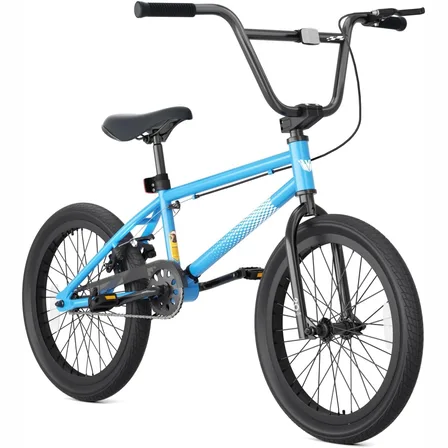
Blue XJD Freestyle BMX Bike, 20-Inch – No Pegs
The XJD 20-Inch Blue Freestyle BMX is an entry-level BMX bike for boys and girls…$189.99