

What size bike for 8 year old
Choosing a bike for an 8-year-old is not a birthday-only decision. At this age, two children with the same age can need different wheels because height, inseam, confidence and riding terrain vary. The most useful starting point is a bike the child can control immediately, with enough saddle adjustment to stay useful as they grow.
The usual starting point for an 8-year-old
A 20-inch bike is often the first size to compare for a school-age rider, while a taller or long-legged child may be ready to consider a 24-inch model. Treat those sizes as a shortlist, not a verdict. The child should be able to sit comfortably, reach the grips without stretching and operate the brakes with confidence. A bike that is technically large enough for future growth can still be too difficult to start, stop or turn today.
Use height and control to choose between 20 and 24 inches
| What to check | 20-inch starting point | 24-inch comparison |
|---|---|---|
| Rider profile | Many average-height 8-year-olds | Taller riders or children ready for a larger youth frame |
| Handling | Usually easier to mount and turn | More rollover and room, but more reach to manage |
| Fit test | Check feet, saddle and brake reach | Check stand-over clearance and confident stopping |
Have the child sit on the bike with both hands on the bars. The saddle should allow a controlled pedal stroke, and the child should not have to lean or tiptoe to reach the controls. If the rider is between sizes, the safer choice is normally the one that feels predictable during a slow turn and emergency stop.
How riding plans change the recommendation
For neighborhood paths and family rides, an upright position and easy starting behavior may matter more than the largest wheel available. A cruiser can be comfortable for relaxed riding, while a BMX-style option makes more sense for a child who wants quick steering, practice at a pump track or a more active position. Compare the frame reach and brake levers, not only the wheel diameter printed in the title.
Three XBikes options to compare
Review the three linked models below as different solutions rather than identical substitutes. Compare the stated wheel size, adjustment range, frame shape and equipment with the rider’s measurements. The best match is the model the child can control now and still use comfortably after a careful adjustment.
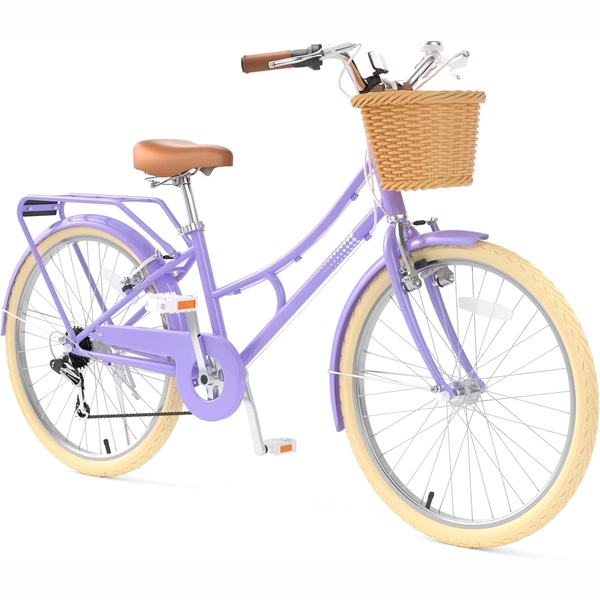 24-Inch Purple XJD Beach Cruiser Bike with U-Brake
Why it fits: The cruiser format is a practical comparison for relaxed family riding; use the listed wheel size and frame fit to confirm it suits the rider.
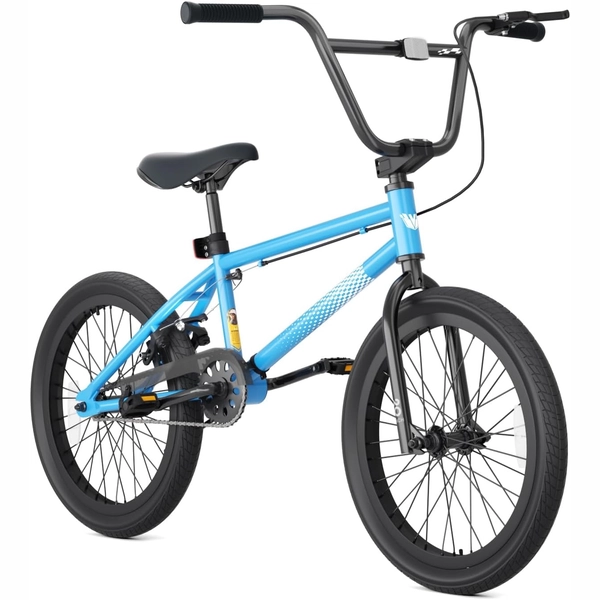 Blue XJD Freestyle BMX Bike, 20-Inch – No Pegs
Why it fits: Its BMX-oriented design matches children who want a more active, maneuverable riding style; confirm wheel size and reach before purchase.
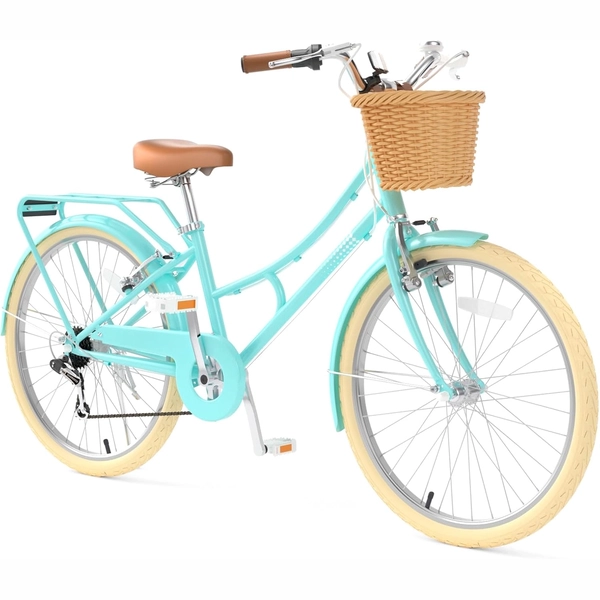 XJD 24-Inch Green Beach Cruiser Bike with U-Brake
Why it fits: The cruiser format is a practical comparison for relaxed family riding; use the listed wheel size and frame fit to confirm it suits the rider.
Final fit and safety check
- Measure height and inseam with the child standing naturally.
- Check stand-over clearance and whether the child can reach both brakes.
- Do not buy an oversized bike solely to delay the next upgrade.
- Use a properly fitted helmet and practice first in a quiet, level area.
Common questions
Is a 20-inch bike always right for age eight?
No. It is a useful first comparison, but a taller rider may fit a 24-inch bike and a smaller rider may be more confident on 20 inches. Measurements and a supervised fit test should decide.
What should parents verify before ordering?
Check the current product measurements, wheel size, brake configuration, adjustment range and availability. Product details can change, so confirm the live listing rather than relying on a generic chart.
Source note: The fit principles are summarized from guidance by HealthyChildren.org and the U.S. CPSC. Use the manufacturer’s current instructions for the final fitting.
Bikes for your next adventure
-

XJD Girls Bike for Kids Ages 3-8, 12/14/16 Inch with Training Wheels – Purple
The XJD Girls Bike in Purple is a training-wheel bicycle for kids ages 3 to 8, f…$149
$169 -

Pink Girls' 12/14/16" Bike by XJD – Basket & Doll Seat
The XJD Pink Girls' Bike with Basket & Doll Seat is made for riders 71–122 cm ta…$75.99
$99.99 -

Light Purple XJD Toddler Bike Helmet, Adjustable, Size XS (46–51 cm)
This Light Purple XJD toddler bike helmet is made for the smallest riders — the …$20.39