

What size is a 16 inch bike
A 16 inch bike is a children’s bicycle with 16 inch wheels. XBikes uses it as a starting point for riders 40–48 in (102–122 cm) tall, often ages 4–7, but the child must still try it for fit.
What “16 inch” actually measures
The 16 inch label identifies the bike’s wheel size, not its frame height and not the child’s inseam. Two bicycles with the same wheel size can still feel different because their frame shape, saddle position and handlebar reach may differ.
That is why the size label answers only the first question. Begin with the child’s measured standing height, then check the individual bicycle while the child is wearing the shoes normally used for riding.
Is a 16 inch bike the likely size?
Compare the rider’s height with the XBikes starting points below. Age is included only as a rough reference; height and an in-person fit check take priority.
| Wheel size | Starting age | Rider height |
|---|---|---|
| 14 Inch | 3–6 | 37–45 in / 94–114 cm |
| 16 Inch | 4–7 | 40–48 in / 102–122 cm |
| 18 Inch | 5–9 | 43–52 in / 109–132 cm |
A child from 40 to 48 inches tall has reached the XBikes starting range for a 16 inch bike. Overlap with neighboring sizes is intentional: a height chart cannot show leg length, arm reach, coordination or confidence. Do not move up simply because the child’s age appears in a larger size’s range.
What to measure before choosing
- Standing height: Have the child stand straight without a helmet, with their back against a wall. Mark the top of the head and measure from the floor. Compare that result with the 40–48 inch (102–122 cm) starting range.
- Inseam: With shoes on and feet slightly apart, measure from the floor to the crotch. Use this measurement to evaluate stand-over space on the actual bicycle; wheel size alone does not establish clearance.
- Reach: On the bicycle, check whether the child can hold the handlebars without stretching, locking the elbows or losing a comfortable, controlled position.
- Brake control: Confirm that the child can reach and operate the bike’s supplied braking controls reliably. Follow the exact product manual for adjustment details, or use a qualified bicycle mechanic.
How the child should fit on the bike
Have the child try the bicycle rather than selecting it solely from the chart. They should be able to stand over it without the frame obstructing them, mount and dismount under control, and steer without struggling to reach the bars.
Watch a short ride in a clear, controlled area. The rider should be able to start, turn, stop and put a foot down without panic or excessive effort. Current confidence matters: a tentative beginner may handle a different fit from a similarly sized child who already rides confidently.
Do not buy an oversized bicycle just to create growing room. If the child cannot control it now, the larger size is not the right current fit. If measurements fall near an overlap, compare both sizes in person and choose according to stand-over, reach, braking and control—not the promise of longer use.
How the supplied catalog option helps
The Girls 12/14/16 Inch Kids Bike by XJD with Training Wheels – Peach is directly relevant because its supplied size labels include 12 Inch, 14 Inch and the requested 16 Inch. Those options let you compare neighboring sizes within this listing after measuring the rider. Its title also specifies training wheels, but that feature does not replace the height, inseam, reach, brake-control and confidence checks.

For the 16 Inch option, use the XBikes starting point of 40–48 inches (102–122 cm) and ages 4–7 only as an initial screen. The product title does not provide further fit evidence. Consult the exact product manual or a qualified bicycle mechanic for assembly, maintenance, adjustment, compatibility, load limits or torque information.
Make the final 16 inch decision
- Choose 16 Inch for further evaluation when the measured height is within 40–48 in (102–122 cm).
- Pause and compare an adjacent size when the child is in an overlapping height range or cannot comfortably stand over, reach, steer and brake on the 16 Inch bike.
- Reject the 16 Inch fit for now if the child must stretch, cannot stop dependably or appears unable to control the bicycle—even if age suggests it.
Before riding, add a properly fitting bicycle helmet. It should sit level, and its straps should be used according to the helmet manufacturer’s instructions. The final answer is practical: measure the child, try the 16 Inch bike, and select it only when the child can stand over it and confidently reach, steer and stop today.
Bikes for your next adventure
-
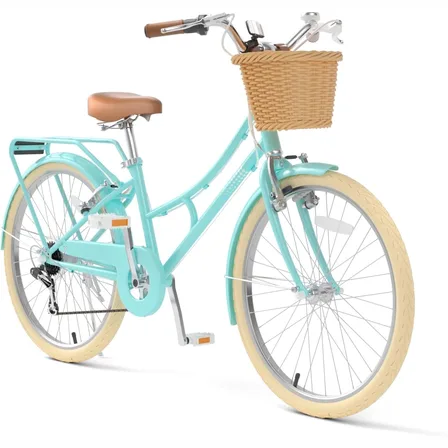
XJD Kids Beach Cruiser Bicycle, Rear Rack & V-Brakes, Mint Green
The XJD Beach Cruiser in Mint Green is a geared, multi-speed cruiser bike for ol…$179.99
$209.99 -
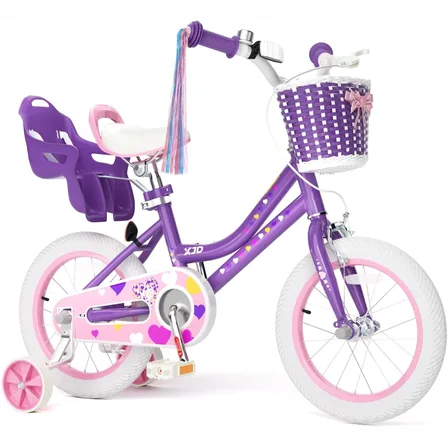
XJD Light Purple Girls Bike with Basket, Training Wheels, 12/14/16/20 Inch
The XJD Girls Bike with Basket in Light Purple is a single-speed training-wheel …$99.99
$119.99 -
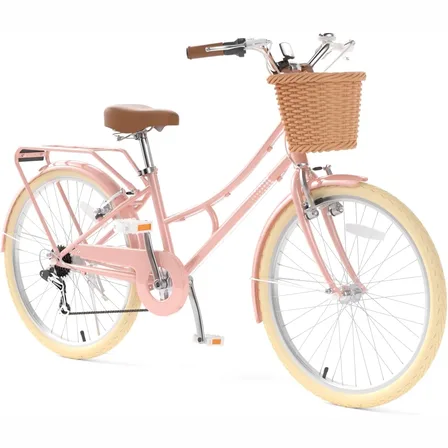
XJD Pink Beach Cruiser for Girls – Rear Rack & V-Brake
The XJD Pink Beach Cruiser for girls is the step-up bike for riders who've outgr…$179.99
$209.99