

What size kid does a 20 inch bike fit
A 20-inch bike generally fits a child age 7–12 who is 48–60 inches (122–152 cm) tall, but measured fit and control matter more than age.
Start with the child’s height
Measure the child without shoes, standing straight against a wall. Compare that measurement with the XBikes 20-inch starting range of 48–60 inches (122–152 cm). This range identifies which bike to try; it does not guarantee that every 20-inch frame will fit the same way.
Age is only a rough reference because children of the same age can differ substantially in height, proportions, strength and confidence. A tall six-year-old may be ready to try a 20-inch bike, while a shorter or less confident eight-year-old may have better control on a smaller wheel size.
Measure inseam before choosing
Have the child stand in socks with their feet slightly apart. Place a hardcover book between their legs, level and gently raised to imitate a bicycle saddle. Measure from the floor to the top edge of the book. Record this inseam measurement and bring it when checking the bicycle.
Compare the inseam with the actual bike’s stand-over clearance and its adjustment information. The child should be able to straddle the bike securely rather than being forced onto tiptoes by the frame. Because frame shapes vary, wheel diameter alone cannot confirm stand-over fit. Follow the exact product manual for adjustment limits, or ask a qualified bicycle mechanic.
Use the size chart as a starting point
| Wheel size | Starting age | Rider height |
|---|---|---|
| 18 inch | 5–9 | 43–52 in / 109–132 cm |
| 20 inch | 7–12 | 48–60 in / 122–152 cm |
| 24 inch | 10–14 | 54–64 in / 137–163 cm |
The overlapping ranges are intentional: they show why height alone does not settle every borderline case. If the rider falls within an overlap, compare both appropriate sizes in person. Do not choose a larger bicycle simply to leave room for growth; the child needs confident control now.
Check the fit on the actual bike
Have the child try the bicycle in a clear, controlled area with adult supervision. The American Academy of Pediatrics recommends trying the bike rather than buying an oversized model for future growth. During the check, look for all of the following:
- The child can straddle the frame securely with usable stand-over clearance.
- They can sit in a stable position and reach the handlebar without an uncomfortable stretch.
- They can turn the handlebar while remaining balanced and in control.
- Their hands can reach and operate the brake controls confidently.
- They can start, stop and put a foot down without panic or loss of control.
A bike is too large if the rider cannot mount or stop comfortably, has to overreach, or cannot operate the brakes reliably. It may be too small if the riding position is cramped or the product’s permitted adjustments cannot provide an appropriate position. Use the manual or a qualified bicycle mechanic when adjustment requirements are unclear.
How the supplied 20-inch bike is relevant
The Blue XJD Freestyle BMX Bike, 20-Inch – No Pegs is directly relevant because its catalog title specifies the requested 20-inch wheel size. It is listed in the Kids’ BMX Bikes category, so compare its actual BMX fit and riding position with the child’s measurements and control rather than assuming that every 20-inch bicycle feels identical.

“No Pegs” is part of the exact catalog description; it does not establish rider fit. No brake type, frame measurements, adjustment range, load limit or assembly specification has been supplied here. Check the exact product manual for those details and use a qualified bicycle mechanic for assembly or adjustments when needed.
Make the final decision
Choose a 20-inch bike only when the child is near the 48–60-inch starting range and the individual try-on confirms stand-over clearance, comfortable reach, effective brake control and confident starts and stops. If any of those checks fail, compare the appropriate neighboring size instead of forcing the fit.
Before riding, add a properly fitting bicycle helmet. It should sit level and its straps should be adjusted according to the helmet manufacturer’s instructions. The practical next step is simple: measure height and inseam, record both, then have the child try the 20-inch bike and demonstrate full control before you decide.
Bikes for your next adventure
-

26-Inch XJD Beach Cruiser Bike for Girls – Purple, V-Brake
This XJD 26-inch purple beach cruiser is sized for big kids and teens — suggeste…$218.49
$229.99 -

Blue XJD Girls Bike with Training Wheels – 12/14/16 Inch
If you're shopping for a first pedal bike for a daughter roughly 3 to 8 years ol…$149
$169 -
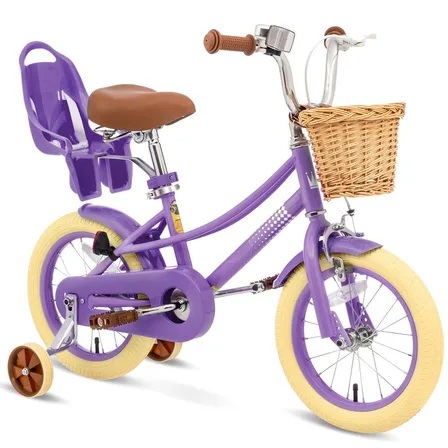
XJD Girls' Bike with Training Wheels, 12/14/16/20 Inch – Purple
The XJD girls' bike with training wheels in Purple is built to grow with your ri…$139
$159