

When can a baby ride in a bike trailer
A baby can ride in a bike trailer only after they can sit independently, keep their head and neck stable while helmeted, and meet the trailer maker’s rules.
Readiness matters more than a birthday
There is no single birthday that makes every baby ready for every trailer. Before riding, confirm all of the following: the child can sit upright without support; their head does not slump or sway when wearing a properly fitted bicycle helmet; and they meet every minimum age, size and seating requirement in the exact trailer manual. Check local passenger laws as well.
If head or neck control is uncertain, the child was born prematurely, or a medical or developmental condition could affect safe seating, ask the child’s pediatrician before riding. A trailer insert or infant accessory does not override the trailer manufacturer’s minimum requirements, and an accessory intended for strolling may not be approved for cycling.
What to measure and compare
Measure the child’s current height and weight, then compare both with the trailer manual. Also inspect the seated fit rather than relying on measurements alone. The harness should follow the manufacturer’s routing, the helmet should not be forced forward by the seat or headrest, and the child should remain upright without their chin dropping toward their chest.
- Body control: Can the child sit independently and keep their head stable for the entire outing?
- Helmet clearance: Does the helmet remain level without interference from the trailer seat?
- Harness fit: Can it be adjusted exactly as the manual directs, without bulky clothing changing the fit?
- Trailer limits: Does the child meet every stated minimum and remain below all stated load limits?
- Towing compatibility: Does the manual approve the trailer, hitch and bicycle combination?
Do not guess about load limits, hitch compatibility, assembly or tightening values. Use the exact manuals for the trailer, hitch and towing bicycle, or have a qualified bicycle mechanic check the setup.
Prepare the equipment before the first ride
A bicycle helmet must fit properly, sit level and have its straps adjusted according to its manufacturer’s instructions. A loose, tilted or seat-displaced helmet needs correction before departure.
Inspect the trailer and towing bicycle as their manuals require. Confirm that the hitch, backup retention device, harness, wheels, tires and protective enclosure are installed and secured as specified. If a part is damaged, missing or unclear, stop and consult the manufacturer or a qualified mechanic rather than improvising a repair.
Make the first outing a controlled check
- Seat and secure the child while the bicycle is stationary.
- Check head position, helmet clearance and harness routing.
- Move the trailer by hand first and watch whether the child stays upright.
- Begin with a short ride on a smooth, low-traffic route.
- Stop promptly if the child slumps, becomes distressed, overheats or cannot maintain a stable position.
Ride more conservatively than you would without a passenger. A trailer changes the bicycle’s length, width, braking distance and turning behavior. Avoid rough surfaces, sharp maneuvers and conditions prohibited by the manual. Recheck the child and attachment points during the outing.
Where the supplied kids’ bike fits
The supplied product is not a bike trailer and cannot establish whether a baby is ready to ride as a passenger. Its 12-, 14- and 16-inch options are useful only as later comparison points when a child is ready to try an independently ridden bicycle. They do not substitute for a trailer, infant seat or individual readiness assessment.
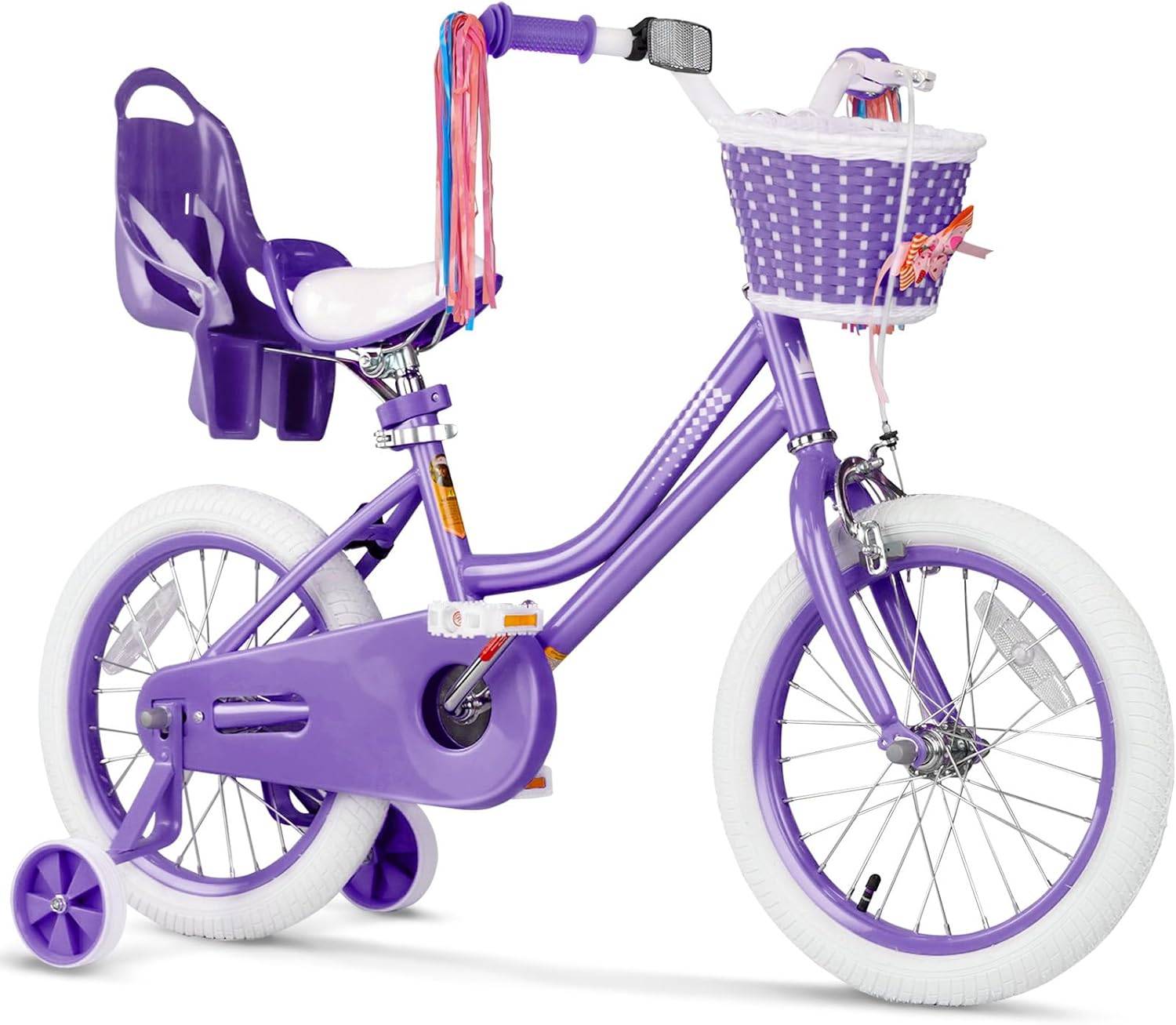
The XJD Girls Bike for Kids Ages 3-8, 12/14/16 Inch with Training Wheels – Purple is listed under Training Wheel Bikes and has 12 Inch, 14 Inch and 16 Inch SKU labels. The age wording in its title is a catalog label, not proof of fit.
| Wheel label | XBikes starting point | Required next check |
|---|---|---|
| 12 Inch | Ages 3–4; 34–40 in / 86–102 cm | Height, inseam, reach, brake control and confidence |
| 14 Inch | Ages 3–6; 37–45 in / 94–114 cm | Height, inseam, reach, brake control and confidence |
| 16 Inch | Ages 4–7; 40–48 in / 102–122 cm | Height, inseam, reach, brake control and confidence |
These ranges are starting points, not a substitute for trying the bicycle. Do not buy an oversized bike for growth. When the time comes, check stand-over clearance, comfortable reach, brake access and the child’s ability to control the bicycle confidently.
Make the go-or-wait decision
Ride only when the baby has independent sitting ability and stable helmeted head control, fits the harness and seat correctly, meets the exact trailer manual’s requirements, and has any needed pediatric clearance. If even one check fails or remains uncertain, wait and reassess later; the listed training-wheel bicycle is relevant only at the later independent-riding stage.
Bikes for your next adventure
-

Kids Bike Helmet by XJD for Girls – Pink
The XJD Kids Bike Helmet in Pink is a lightweight multi-sport helmet for girls r…$59.99
$99 -

Blue XJD Kids Bike Helmet for Boys & Girls
The Blue XJD Kids Bike Helmet is a lightweight, adjustable multi-sport helmet fo…$59.99
$99 -
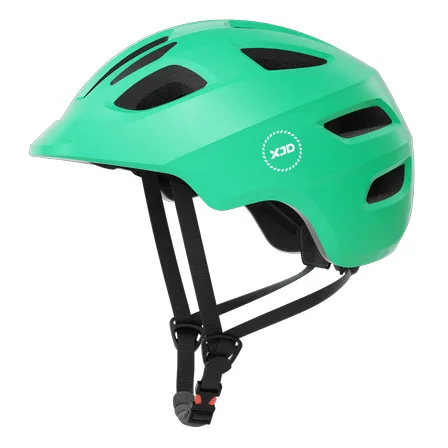
Green XJD Kids Bike Helmet for Boys & Girls
The Green XJD Kids Bike Helmet is a lightweight multi-sport helmet for toddlers …$59.99
$99