

When can a kid ride a bike
A kid can ride a bike when they can reach and control a correctly fitted bicycle, follow simple directions, and ride with confidence—not at one fixed age.
Look for readiness before choosing a size
Age provides only a starting point. A child is more likely to be ready when they want to try, can stay attentive to basic instructions, and can coordinate steering, pedaling or pushing, and stopping. They should also be comfortable practicing in a quiet area under close adult supervision.
Confidence matters. A hesitant child may need more time or a simpler practice session, while an eager child still needs a bicycle they can physically control. Do not use enthusiasm, age, or room to grow as a reason to put a child on an oversized bike.
Measure height, then check the actual bicycle
Measure the child’s standing height without shoes. Also measure inseam from the floor to the crotch while the child stands straight. Use height to identify likely wheel sizes, but take the child to try the bicycle whenever possible.
| Wheel size | Age starting point | Rider height starting point |
|---|---|---|
| 12 Inch | 3–4 | 34–40 in / 86–102 cm |
| 14 Inch | 3–6 | 37–45 in / 94–114 cm |
| 16 Inch | 4–7 | 40–48 in / 102–122 cm |
| 18 Inch | 5–9 | 43–52 in / 109–132 cm |
| 20 Inch | 7–12 | 48–60 in / 122–152 cm |
| 24 Inch | 10–14 | 54–64 in / 137–163 cm |
| 26 Inch | Youth and adults | Over 60 in / 153 cm |
Where ranges overlap, do not choose by age alone. Compare the child’s measured height and inseam with the real frame, then assess reach, brake control, and present confidence. Wheel diameter does not guarantee that two bicycles will fit identically.
Use a hands-on fit check
Have the child try the bicycle rather than relying only on its label. Check these points before deciding:
- Stand-over: The child should be able to straddle the bicycle without the frame preventing a stable stance.
- Starting and stopping: They should be able to get into a riding position and return to a supported stop without losing control.
- Reach: They should hold the handlebar and steer without stretching, twisting, or leaning far forward.
- Brake control: If the bicycle has hand controls, the child must be able to reach and operate them reliably.
- Confidence: The bicycle should feel manageable at the child’s current ability, not merely become suitable after future growth.
If any check fails, compare another size or design. Follow the exact product manual for assembly, adjustment, maintenance, compatibility, load limits, and torque information. When fit or setup remains uncertain, use a qualified bicycle mechanic.
How the supplied catalog option helps
The Purple XJD Girls' Bike with Doll Seat & Basket is listed in the Training Wheel Bikes category and is available with 12 Inch, 14 Inch, and 16 Inch SKU labels. Those three choices provide relevant comparison points for children whose measured heights fall within the corresponding XBikes starting ranges. The title’s decorative wording is not evidence of fit; select from the actual measurements and hands-on checks.
These particular catalog options help answer when a child can ride because they let a parent compare three consecutive starting sizes within one supplied product listing, then reject any option the child cannot comfortably control.

For reference, the 12 Inch option starts at ages 3–4 and 34–40 in / 86–102 cm; the 14 Inch option at ages 3–6 and 37–45 in / 94–114 cm; and the 16 Inch option at ages 4–7 and 40–48 in / 102–122 cm. The product is not a relevant size match if the child needs an 18 Inch, 20 Inch, 24 Inch, or 26 Inch bicycle after measurement and an individual fit check.
Prepare for the first rides
Choose a quiet, open practice area away from traffic and obstacles, with an adult close enough to intervene. Keep early sessions manageable and stop if the child becomes tired, upset, or unable to follow directions. Read the bicycle’s exact manual before use and confirm that assembly and adjustments follow its instructions.
A bicycle helmet must fit properly, sit level, and have its straps used according to the helmet manufacturer’s instructions. Replace guesswork with a fit check each time equipment or clothing changes how the helmet sits.
Make the decision
Your child is ready to ride when willingness and coordination are matched by a bicycle they can straddle, reach, steer, brake, start, and stop with current confidence. Measure height and inseam today, use the table to shortlist a wheel size, and have the child try that bicycle. If control is uncertain, choose a better-fitting option or pause and practice later—never size up solely for growth.
Bikes for your next adventure
-

XJD Kids Bike for Girls – Pink, 12/14/16/20 Inch with Training Wheels
The XJD Kids Bike for Girls in Pink is a training-wheel bike built to carry your…$139
$159 -

Blue XJD Girls Bike with Training Wheels – 12/14/16 Inch
If you're shopping for a first pedal bike for a daughter roughly 3 to 8 years ol…$149
$169 -
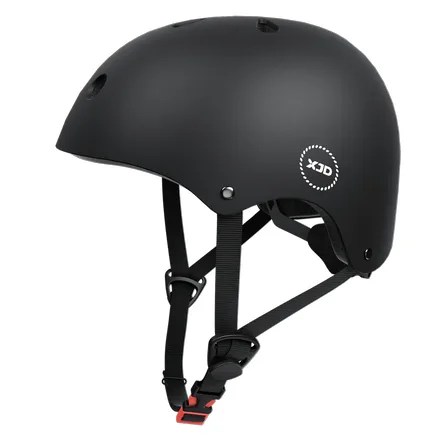
7-in-1 Kids Helmet & Protective Gear Set from XJD – Black or Blue
If you're outfitting one kid (or a couple of siblings) for biking, scootering, o…$59.99