

When can you take a baby on a bike
Take a baby on a bike only when the child meets every requirement in the specific child-seat or trailer manual and your pediatrician agrees. The supplied XBikes products are children’s bicycles, not baby carriers, so none is suitable for transporting a baby.
What determines when a baby can ride with you?
Do not decide from age alone. Before carrying a baby, check the minimum and maximum limits stated by the manufacturer of the exact seat or trailer. Confirm that your child meets its developmental, height and weight requirements, and ask your pediatrician whether the child is ready.
You must also verify that the carrier is compatible with your bicycle. Follow both manuals for installation, maintenance, load limits and fastener settings. If compatibility or assembly is unclear, use a qualified bicycle mechanic rather than improvising a mounting method.
Postpone the ride if your child cannot maintain the body position required by the carrier, cannot wear the required helmet correctly, exceeds any stated limit, or has not been cleared for riding by a pediatrician. A cargo basket, handlebar or adult rider’s arms are not substitutes for a purpose-designed child carrier.
Measure and compare before the first ride
Write down the baby’s current height and weight, then compare both figures with the carrier manual. Check the carrier’s developmental requirements separately; measurements alone do not establish readiness. Next, compare your bicycle’s model and frame details with the carrier’s compatibility instructions.
- Confirm every child requirement in the carrier manual.
- Confirm that the carrier and bicycle are explicitly compatible.
- Install and inspect the equipment exactly as directed.
- Check that the restraint fits and remains secured.
- Fit the child’s bicycle helmet level, using its straps according to the helmet manufacturer’s instructions.
- Begin only in a low-risk setting where you can assess handling and stop immediately.
If any requirement is missing, ambiguous or failed, the next step is not a trial ride: contact the manufacturer, consult a qualified bicycle mechanic, or wait.
Why the supplied bikes are later-stage comparisons
The catalog options help clarify the distinction between carrying a baby and choosing a bicycle for a child who is ready to ride independently. Their available sizes begin at 12 inches, whose XBikes starting point is ages 3–4 and rider height 34–40 in (86–102 cm). That is a starting point for bicycle fit, not permission to carry a baby.
 Pink 12/14/16/20" XJD Girls Bike with Training Wheels & Basket
A later-stage independent-rider comparison with 12, 14, 16 and 20 Inch labels. It is a training-wheel bicycle, not a baby carrier or baby-transport solution.
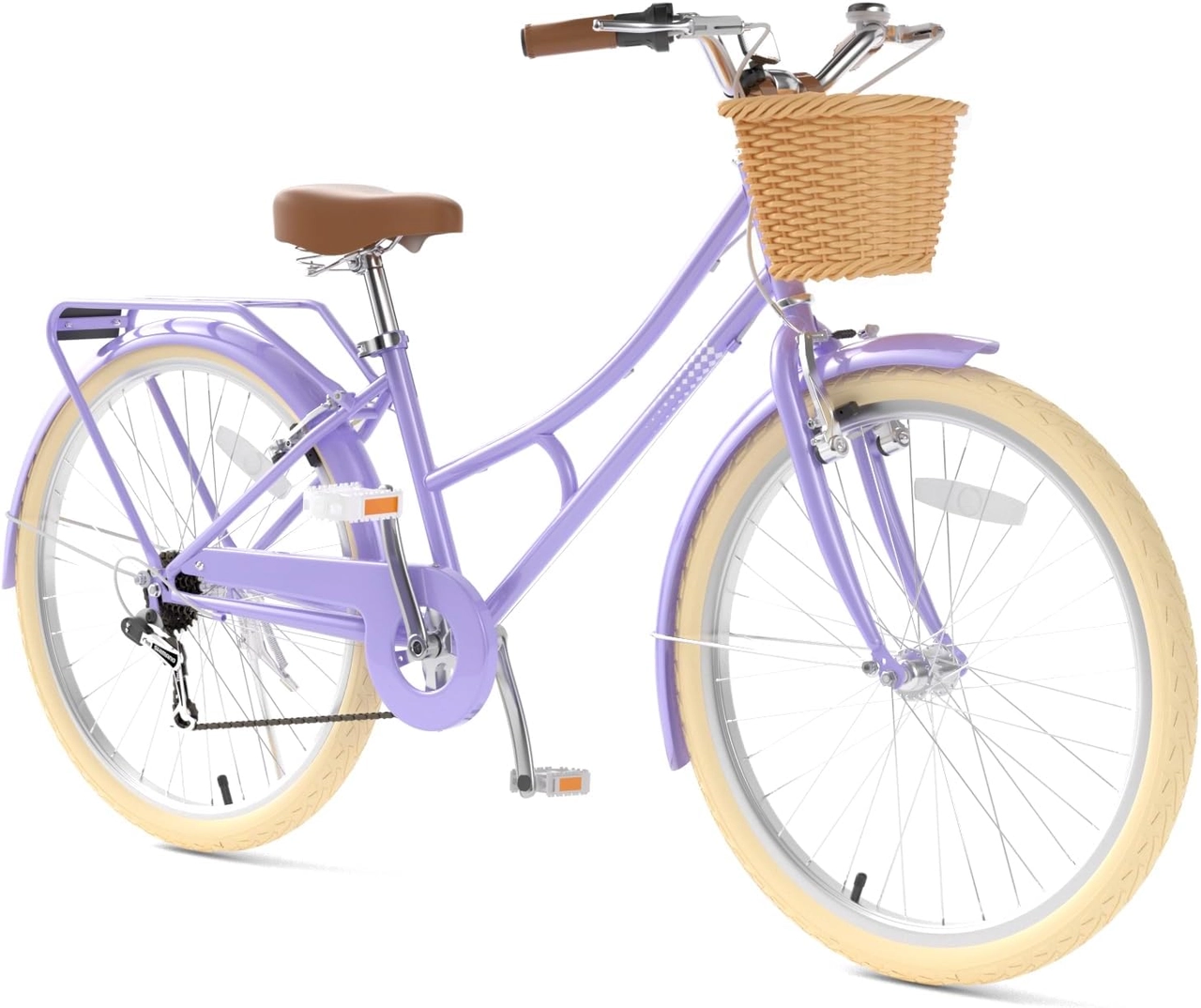 26-Inch XJD Beach Cruiser Bike for Girls – Purple, V-Brake
A later-stage beach cruiser comparison offered in listed 20, 24 and 26 Inch color-size options. It is not suitable as a substitute for a purpose-designed baby seat or trailer.
 XJD 24-Inch Green Beach Cruiser Bike with U-Brake
A later-stage beach cruiser comparison with listed 24- and 26-inch options. These sizes concern independent rider fit and do not answer when or how to transport a baby.
The Pink 12/14/16/20" XJD Girls Bike with Training Wheels & Basket is the nearest later-stage comparison because its available labels include 12, 14, 16 and 20 Inch. Training wheels and a basket do not turn it into a baby-transport product.
The 26-Inch XJD Beach Cruiser Bike for Girls – Purple, V-Brake has listed options in 20, 24 and 26 Inch across the supplied colors. The XJD 24-Inch Green Beach Cruiser Bike with U-Brake has listed 24- and 26-inch options. Both are much larger independent-rider comparisons, not substitutes for a child seat or trailer.
When is a child ready for one of these bicycles?
When the child is old enough to ride independently, measure height first and use age only as a secondary starting point. XBikes uses these size references:
| Wheel size | Age starting point | Rider height |
|---|---|---|
| 12 Inch | 3–4 | 34–40 in / 86–102 cm |
| 14 Inch | 3–6 | 37–45 in / 94–114 cm |
| 16 Inch | 4–7 | 40–48 in / 102–122 cm |
| 18 Inch | 5–9 | 43–52 in / 109–132 cm |
| 20 Inch | 7–12 | 48–60 in / 122–152 cm |
| 24 Inch | 10–14 | 54–64 in / 137–163 cm |
| 26 Inch | Youth and adults | Over 60 in / 153 cm |
Have the child try the bicycle. Check stand-over clearance, reach, brake control and present confidence. Do not buy an oversized bicycle merely to allow room for growth. The child must be able to control the actual bike now.
Make two separate decisions
For a baby riding as a passenger, use only a compatible purpose-designed carrier after its manual requirements and pediatric guidance are satisfied. None of the three supplied bicycles answers that transport need.
For a child beginning to pedal independently, start with measured height, compare the relevant wheel-size range, and perform an individual fit check. Your immediate decision is therefore simple: verify a real carrier and medical readiness for the baby, or wait; consider these XBikes bicycles only later, when the child can be fitted as the rider.
Bikes for your next adventure
-
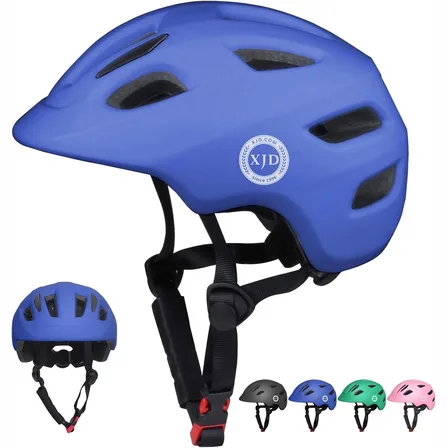
Blue XJD Kids' Bike Helmet, Adjustable Fit – Sizes XS & S
The Blue XJD Kids' Bike Helmet is a lightweight, adjustable helmet for toddlers …$20.39
-
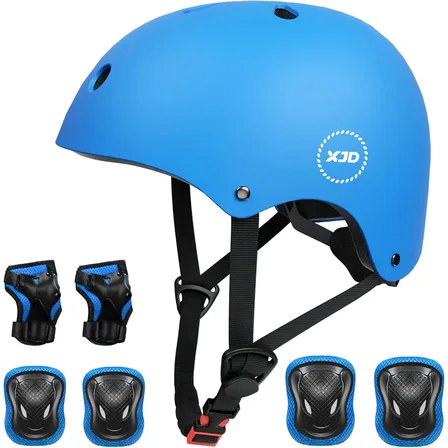
Blue XJD Helmet & Protective Gear Set for Kids, Sizes S/M
The Blue XJD Helmet & Protective Gear Set is made for kids roughly 3 to 8 years …$23.79
-
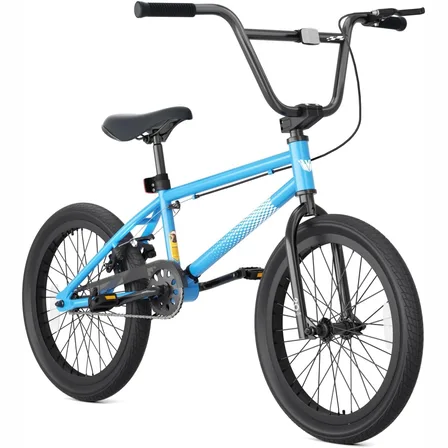
Blue XJD Freestyle BMX Bike, 20-Inch – No Pegs
The XJD 20-Inch Blue Freestyle BMX is an entry-level BMX bike for boys and girls…$189.99