

When can you take a baby on a bike ride
You can take a baby on a bike ride only when the child meets local legal requirements, has the physical readiness required by the chosen child seat or trailer, and can wear a properly fitted bicycle helmet. There is no single age that overrides those checks.
Decide by readiness, not the calendar
Before riding, ask the baby’s pediatric clinician whether the child is ready for the position, motion and duration involved. Confirm that the child can maintain the posture required by the passenger equipment throughout the ride, including when tired. A child who slumps, cannot remain correctly restrained or cannot comfortably support a properly fitted helmet is not ready.
Next, read the exact child-seat or trailer manual. Its stated minimums, restraints, seating position and compatibility requirements control the decision. Also check current local laws, because rules about minimum passenger age, helmets and where a child may ride vary. If any one of these checks says no, wait.
Check the equipment before carrying a baby
A baby should travel only in purpose-designed passenger equipment that is compatible with the bicycle. Do not improvise a seat, restraint or mounting arrangement. Verify every attachment before each outing and follow the manufacturer’s instructions for assembly, maintenance and load limits. When compatibility or installation is uncertain, have a qualified bicycle mechanic inspect the complete setup.
- Confirm that every restraint closes securely and holds the child in the position specified by the manual.
- Check that clothing, straps, hands and feet cannot reach wheels or other moving parts.
- Make sure the bicycle remains controllable when loaded; practice starting, braking and turning without the baby first.
- Never exceed a stated limit or substitute an unapproved accessory.
Fit the helmet to the baby
The U.S. Consumer Product Safety Commission advises that a bicycle helmet must fit properly, sit level and use its straps according to the manufacturer’s instructions. Check the fit on the actual child rather than relying only on an age label. A helmet that shifts, tilts or prevents the child from holding the required riding posture needs attention before the ride.
Replace guesswork with the helmet maker’s fitting directions. Do not add padding or modify straps unless the instructions permit it. If a suitable helmet and stable riding posture cannot be achieved together, postpone the ride.
Make the first ride a controlled trial
Choose a short, quiet route away from fast traffic, steep slopes and rough surfaces. Start slowly and leave more room for braking and turning because a passenger changes balance and handling. Stop promptly if the baby becomes distressed, slumps, overheats or no longer remains correctly positioned.
Before departure, compare weather, route conditions and the expected ride time with the baby’s normal comfort and feeding needs. The practical next step is not a long family outing; it is a brief trial that can be ended immediately.
Are the supplied XBikes options relevant?
The catalog item is useful only as a comparison for a later stage, when a child rides independently. The 26-Inch XJD Beach Cruiser Bike for Girls – Purple, V-Brake has listed options in 20, 24 and 26 Inch sizes. None is baby-passenger equipment, so these options do not make a baby ready for a ride and are not substitutes for a child seat or trailer.

For future comparison, XBikes lists 20 Inch as a starting point for ages 7–12 and heights 48–60 in / 122–152 cm; 24 Inch for ages 10–14 and heights 54–64 in / 137–163 cm; and 26 Inch for youth and adults over 60 in / 153 cm. These are starting points only. Measure the rider’s height and inseam, then check stand-over clearance, reach, brake control and current confidence on the actual bicycle.
The listed color and size labels are Mint Green in 20, 24 and 26 Inch; Pink in 20, 24 and 26 Inch; and Purple in 26 Inch. Color does not establish fit. Do not buy an oversized bicycle for growth, and follow the exact product manual or consult a qualified bicycle mechanic for assembly, maintenance and other specifications not supplied here.
Your go-or-wait decision
Go only when the pediatric clinician has no readiness concern, local law permits the ride, the passenger-equipment manual’s requirements are met, the equipment is compatible and correctly installed, and the baby remains stable while wearing a level, properly strapped helmet. Otherwise, wait and recheck later. The supplied cruiser is relevant only when the child is ready to pedal independently and passes an individual fit check.
Bikes for your next adventure
-
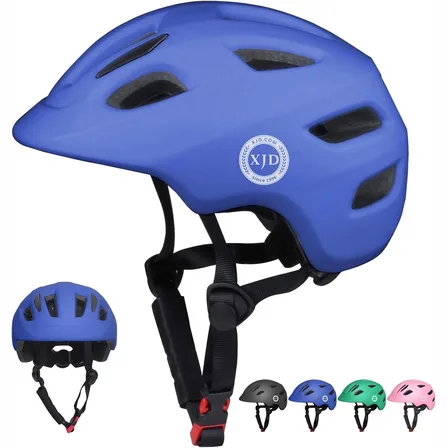
Blue XJD Kids' Bike Helmet, Adjustable Fit – Sizes XS & S
The Blue XJD Kids' Bike Helmet is a lightweight, adjustable helmet for toddlers …$20.39
-
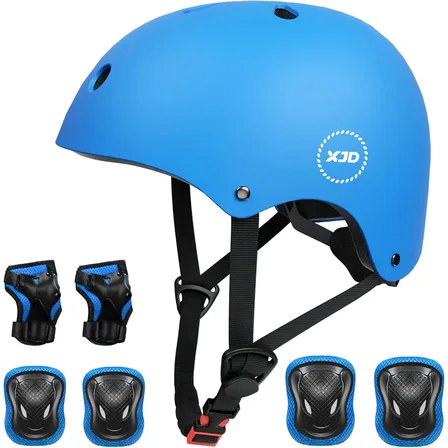
Blue XJD Helmet & Protective Gear Set for Kids, Sizes S/M
The Blue XJD Helmet & Protective Gear Set is made for kids roughly 3 to 8 years …$23.79
-

Blue XJD Freestyle BMX Bike, 20-Inch – No Pegs
The XJD 20-Inch Blue Freestyle BMX is an entry-level BMX bike for boys and girls…$189.99