

When does a kid start learning to ride a bike
Most children start learning to ride a bike between ages 3 and 6, but readiness and a proper individual fit matter more than a birthday.
How to tell whether your child is ready
A child can begin when they are interested, can follow simple directions and are willing to practise stopping as well as moving. They should have enough balance and coordination to sit steadily, steer intentionally and place their feet where instructed. Hesitation does not mean they are behind; it may mean they need a smaller step, a better-fitting bicycle or more time.
Age is only a starting point. The XBikes size ranges overlap because children of the same age can differ substantially in height, proportions, reach and confidence. Measure first, then let the child try the bicycle before deciding.
Measure height and inseam before choosing
Measure standing height without shoes against a wall. For inseam, have the child stand with feet slightly apart and measure from the floor to the crotch. Compare these measurements with the bicycle’s fit information and exact product manual.
During an in-person fit check, confirm that the child can stand over the bicycle with suitable clearance, reach the handlebar without stretching and operate the brakes comfortably. They must be able to start, steer and stop while remaining in control. Do not buy an oversized bicycle simply to allow room for growth.
Use wheel size as a starting point
| Wheel size | Starting age | Rider height |
|---|---|---|
| 12 Inch | 3–4 | 34–40 in / 86–102 cm |
| 14 Inch | 3–6 | 37–45 in / 94–114 cm |
| 16 Inch | 4–7 | 40–48 in / 102–122 cm |
| 18 Inch | 5–9 | 43–52 in / 109–132 cm |
| 20 Inch | 7–12 | 48–60 in / 122–152 cm |
| 24 Inch | 10–14 | 54–64 in / 137–163 cm |
| 26 Inch | Youth and adults | Over 60 in / 153 cm |
These ranges narrow the search; they do not establish fit. If the child falls within two overlapping ranges, compare both sizes in person. Choose according to measured height and inseam, stand-over clearance, reach, brake control and current confidence—not the larger wheel or age label alone.
Where the supplied training-wheel bikes fit
The two catalog options are relevant when a child is learning with a training-wheel bicycle and their measurements point to one of the listed wheel sizes. Comparing their available sizes helps a parent identify which model is worth fit-checking; their accessories may distinguish them only after fit and control have been confirmed.
 Girls' Training Wheel Bike by XJD with Basket – Purple
Available in 14 Inch, 16 Inch and 20 Inch labels, this training-wheel bicycle is relevant for comparing sizes after measuring the rider and checking reach, stand-over clearance, brake control and confidence.
 Flower Pink XJD Girls Bike with Doll Seat & Basket
Its 12 Inch, 14 Inch and 16 Inch labels make this training-wheel bicycle relevant to smaller starting-size comparisons, but the rider still needs an individual measurement and control check.
Girls' Training Wheel Bike by XJD with Basket – Purple is offered in 14 Inch, 16 Inch and 20 Inch labels. Those sizes cover different starting ranges, so select the label that matches the child’s measurements and then verify the complete fit. Its supplied catalog facts identify a basket, but do not establish brake type, weight, materials or other performance details.
Flower Pink XJD Girls Bike with Doll Seat & Basket is offered in 12 Inch, 14 Inch and 16 Inch labels. Its 12 Inch option may be a comparison point for a smaller beginning rider within the 34–40 in / 86–102 cm starting range. The title identifies a doll seat and basket; neither replaces the need to confirm reach, stand-over clearance and brake operation.
If measurements indicate an 18 Inch, 24 Inch or 26 Inch bicycle, neither supplied product has that exact wheel-size label. They are not equal substitutes; look for the indicated size and conduct the same individual fit check.
What to do during the first practice sessions
- Choose a flat, open area away from traffic, parked vehicles and obstacles.
- Fit a bicycle helmet so it sits level and secure its straps according to the helmet manufacturer’s instructions.
- Begin with mounting, looking ahead, steering and controlled stopping rather than distance or speed.
- Keep sessions short enough that the child remains attentive and willing to try again.
- Recheck control whenever the bicycle, footwear or riding setup changes.
Training wheels can support early practice, but their presence does not prove that a bicycle fits. A child who cannot comfortably reach, steer or stop needs a different setup or size, not pressure to continue. Follow the exact bicycle manual for assembly, adjustments, maintenance, compatibility and load limits; use a qualified bicycle mechanic when the instructions or correct setup are uncertain.
Make the decision now
Measure the child’s height and inseam today, identify the matching wheel-size starting point, and arrange a real fit check. Start learning when the child can comfortably stand over, reach, steer and operate the brakes with confidence; wait or change sizes when any of those checks fails.
Bikes for your next adventure
-

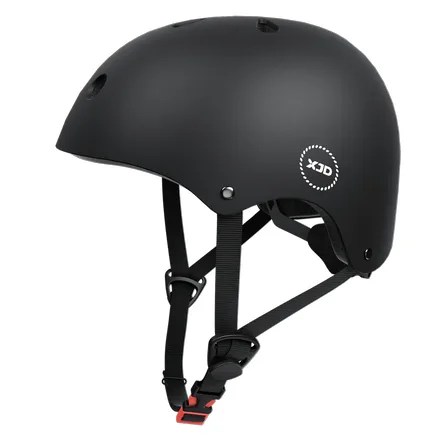
Kids Bike Helmet by XJD for Boys & Girls – Black, Blue, Green, Pink, Purple
The XJD Kids Bike Helmet covers a wide 2-to-8-year age range thanks to two head-…$59.99
-

XJD Kids Bike for Girls – Pink, 12/14/16/20 Inch with Training Wheels
The XJD Kids Bike for Girls in Pink is a training-wheel bike built to carry your…$139
$159 -
7-in-1 Kids Helmet & Protective Gear Set from XJD – Black or Blue
If you're outfitting one kid (or a couple of siblings) for biking, scootering, o…$59.99