

When should a kid ride a bike
A kid should ride a bike when they can fit it, control it and follow simple safety directions—not when they reach one particular birthday. Measure the child first, then confirm the fit on the actual bicycle before riding.
What readiness looks like
Age is only a starting point. A child is ready to learn when they are willing to try, can pay attention to instructions and can steer without becoming overwhelmed. They should also be able to start, stop and place a foot down with growing confidence in a quiet practice area.
Do not pressure a hesitant child or move up a wheel size simply because another child of the same age has done so. Confidence affects control, and control matters more than matching a birthday-based expectation.
Measure before choosing a wheel size
Measure the child's standing height without shoes. Measure inseam from the floor to the crotch while the child stands upright. Height narrows the likely wheel-size range; inseam helps you judge stand-over clearance on a particular frame. Because frame shapes vary, wheel size alone cannot prove that a bicycle fits.
| Wheel size | Starting age | Rider height |
|---|---|---|
| 12 Inch | 3–4 | 34–40 in / 86–102 cm |
| 14 Inch | 3–6 | 37–45 in / 94–114 cm |
| 16 Inch | 4–7 | 40–48 in / 102–122 cm |
| 18 Inch | 5–9 | 43–52 in / 109–132 cm |
| 20 Inch | 7–12 | 48–60 in / 122–152 cm |
| 24 Inch | 10–14 | 54–64 in / 137–163 cm |
| 26 Inch | Youth and adults | Over 60 in / 153 cm |
Use overlapping ranges to create a shortlist, not to choose automatically. If a child's height fits two rows, compare both sizes in person and favor the bicycle they can presently control. Never buy an oversized bicycle merely to leave room for growth.
Check the actual bicycle
Have the child try the bicycle while wearing the shoes they will use for riding. Check these points before deciding:
- Stand-over: The child can straddle the frame with stable footing and appropriate clearance rather than being forced onto tiptoes.
- Reach: They can hold the handlebar and steer while remaining balanced, without an uncomfortable stretch.
- Brake control: They can reach and operate the bicycle's braking controls confidently. Confirm the specific controls on the bicycle rather than assuming them from wheel size.
- Current confidence: They can look ahead, steer, stop and put a foot down without panic.
If any of these checks fail, the child should not ride that bicycle yet. Try another size or model, or ask a qualified bicycle mechanic to assess the fit. Follow the exact product manual for assembly, adjustments, maintenance, load limits and any specifications not provided here.
When training-wheel models are relevant
Training-wheel bicycles can be relevant when a child fits the bicycle but is still developing confidence with balance and starting. Training wheels do not correct an oversized frame, an excessive reach or inaccessible braking controls. Fit and control still need to be checked on the complete bicycle.
The supplied XBikes options help because each is a training-wheel model with cataloged 12 Inch, 14 Inch, 16 Inch and 20 Inch SKU labels. That lets a parent compare several wheel-size starting points while keeping the same product category in view.
 Girls' Training Wheel Bike by XJD, 12–20 Inch Wheels – Blue
A blue training-wheel bicycle cataloged in 12 Inch, 14 Inch, 16 Inch and 20 Inch sizes, relevant for comparing the child's measured fit across those wheel-size starting points.
 XJD Girls' Bike with Training Wheels, 12/14/16/20 Inch – Purple
A purple training-wheel model with cataloged 12 Inch, 14 Inch, 16 Inch and 20 Inch options. Its relevance depends on individual stand-over, reach, brake control and confidence checks.
 XJD Kids Bike for Girls – Pink, 12/14/16/20 Inch with Training Wheels
A pink training-wheel bicycle listed in 12 Inch, 14 Inch, 16 Inch and 20 Inch sizes. Consider it only when one of those sizes matches the child's measurements and actual fit.
Girls' Training Wheel Bike by XJD, 12–20 Inch Wheels – Blue is listed in blue with 12 Inch, 14 Inch, 16 Inch and 20 Inch options. XJD Girls' Bike with Training Wheels, 12/14/16/20 Inch – Purple lists the same four sizes in purple. XJD Kids Bike for Girls – Pink, 12/14/16/20 Inch with Training Wheels also lists those sizes, in pink.
The useful comparison here is wheel size and cataloged color; no supplied facts establish differences in brakes, weight, materials or other equipment. None of these products supplies an 18 Inch, 24 Inch or 26 Inch option. If the child's measurements point to one of those sizes, these products are comparison points across the surrounding catalog sizes, not substitutes for the size indicated by the fit check.
Prepare for the first ride
Choose a quiet, open area away from traffic and obstacles. A supervising adult should set simple boundaries and keep the first session short enough that fatigue does not erode control.
Use a bicycle helmet that fits properly. It should sit level, with its straps adjusted according to the helmet manufacturer's instructions. A helmet cannot make a poorly fitting bicycle appropriate, so complete both the bicycle-fit and helmet-fit checks.
Make the decision
Measure height and inseam today, shortlist wheel sizes from the table, and have the child try the actual bicycle. Let them ride only when stand-over, reach, brake operation and present confidence all work together. If they cannot control the shortlisted bike now, choose a better-fitting option or wait and try again rather than sizing up for future growth.
Bikes for your next adventure
-

XJD Kids Bike for Girls – Pink, 12/14/16/20 Inch with Training Wheels
The XJD Kids Bike for Girls in Pink is a training-wheel bike built to carry your…$139
$159 -

Blue XJD Girls Bike with Training Wheels – 12/14/16 Inch
If you're shopping for a first pedal bike for a daughter roughly 3 to 8 years ol…$149
$169 -
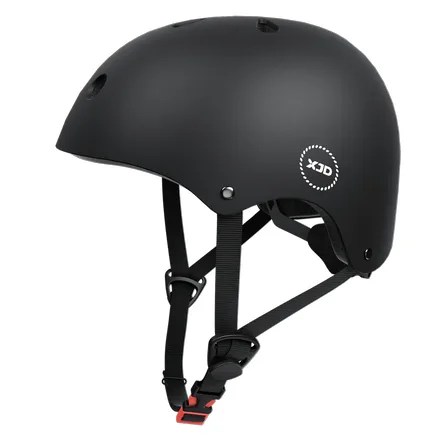
7-in-1 Kids Helmet & Protective Gear Set from XJD – Black or Blue
If you're outfitting one kid (or a couple of siblings) for biking, scootering, o…$59.99