

Which kid bike trailer is safest
The safest kid bike trailer is the one that fits your child, bicycle and route, has an intact secure hitch and harness, and stays within every limit in its manual. The supplied XBikes products are children’s bicycles, not trailers, so none can be identified as the safest trailer.
What to measure before comparing trailers
Start with the child’s current seated height, shoulder height and weight. If the trailer will carry two children, record both children’s measurements and their combined weight, plus anything normally carried in the cabin. Compare those figures with the exact trailer manual. The child needs adequate head clearance while seated and wearing a properly fitted bicycle helmet.
Measure or identify the towing bicycle’s wheel size, axle or frame attachment point, and any components near the proposed hitch location. Do not assume that a connector fits because it looks similar. Ask the trailer manufacturer or a qualified bicycle mechanic to confirm compatibility with that exact bicycle and hitch.
Compare the features that prevent common failures
A useful safety comparison is more specific than counting accessories. Inspect each candidate for:
- Child restraint: A complete harness that adjusts closely to the child and cannot be confused with a simple lap belt.
- Hitch security: A positive connection plus the backup retention device specified by the manufacturer.
- Passenger protection: An intact surrounding structure, secure cabin closure and protection that keeps hands, clothing and carried items away from wheels.
- Visibility: The reflectors, flag or lighting provisions described in the manual, suitable for the conditions in which you intend to ride.
- Stability and clearance: Enough room for the trailer to track through turns and avoid curbs, posts and traffic.
Do not infer safety from color, appearance or marketing language. Compare stated passenger, cargo, towing-bicycle and terrain restrictions in the manuals. If a required limit, compatibility statement or replacement part cannot be verified, exclude that trailer until the manufacturer or a qualified mechanic resolves the question.
Inspect the exact unit, not only the model
Even a suitable design can be unsafe when damaged, incomplete or assembled incorrectly. Before each ride, check that the hitch and backup retention are attached as instructed, the frame and fabric have no consequential damage, the wheels are secured, tires are in serviceable condition, and the restraint closes and adjusts correctly. Follow the exact manual for assembly, maintenance, inflation, fastener torque and replacement intervals; no universal procedure or number should be substituted.
For a used trailer, obtain the model identity and correct manual. Confirm that all original safety-related components are present and check the manufacturer’s current information for that exact model. Walk away from undocumented modifications, an uncertain hitch, structural damage or missing restraint parts.
Test the complete setup before carrying a child
- Install the trailer exactly as its manual directs, or have a qualified bicycle mechanic do it.
- With no child aboard, push the combination and check hitch articulation, wheel clearance and interference with the bicycle.
- Practice starting, stopping and turning in a traffic-free area using permitted ballast, if the manual allows it.
- Load and restrain the child only as directed. Verify head clearance and that straps lie correctly.
- Choose a short, low-speed first route with generous turning room. Stop immediately if the trailer pulls unexpectedly, a connection loosens or the child’s position changes.
A bicycle helmet must fit properly, sit level and have its straps adjusted according to the helmet manufacturer’s instructions. A helmet does not correct an incompatible hitch, poor restraint fit or a route that exposes the trailer to unacceptable hazards.
Why the listed XBikes products are comparison points only
The catalog options below help separate two decisions: choosing a child’s own training-wheel bicycle versus choosing equipment for towing a passenger. They offer 12 Inch, 14 Inch and 16 Inch bicycle variants, but no supplied fact describes any of them as a trailer, trailer-compatible towing bicycle or trailer safety product. They therefore cannot answer which trailer is safest.
 XJD Pink Girls' Bike – Kids 12/14/16 Inch Training Wheel Bicycle
A training-wheel bicycle offered in 12 Inch, 14 Inch and 16 Inch variants. It is relevant only when comparing a child’s own bicycle with a trailer; supplied facts do not identify it as a trailer or towing product.
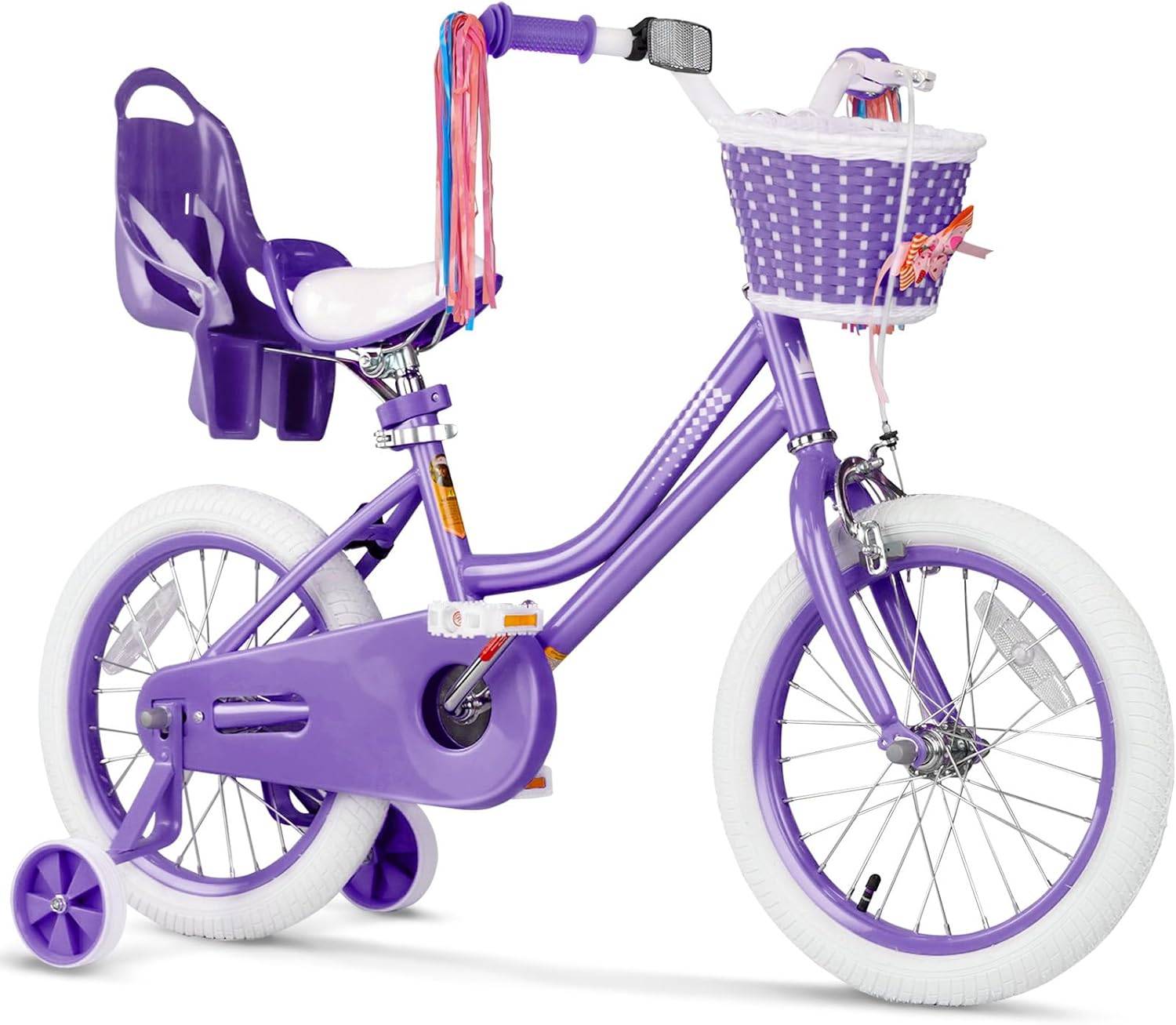 XJD Girls Bike for Kids Ages 3-8, 12/14/16 Inch with Training Wheels – Purple
This purple training-wheel bike has 12 Inch, 14 Inch and 16 Inch options. The age wording in its title is a catalog label, not individual fit evidence, and no supplied fact establishes trailer compatibility.
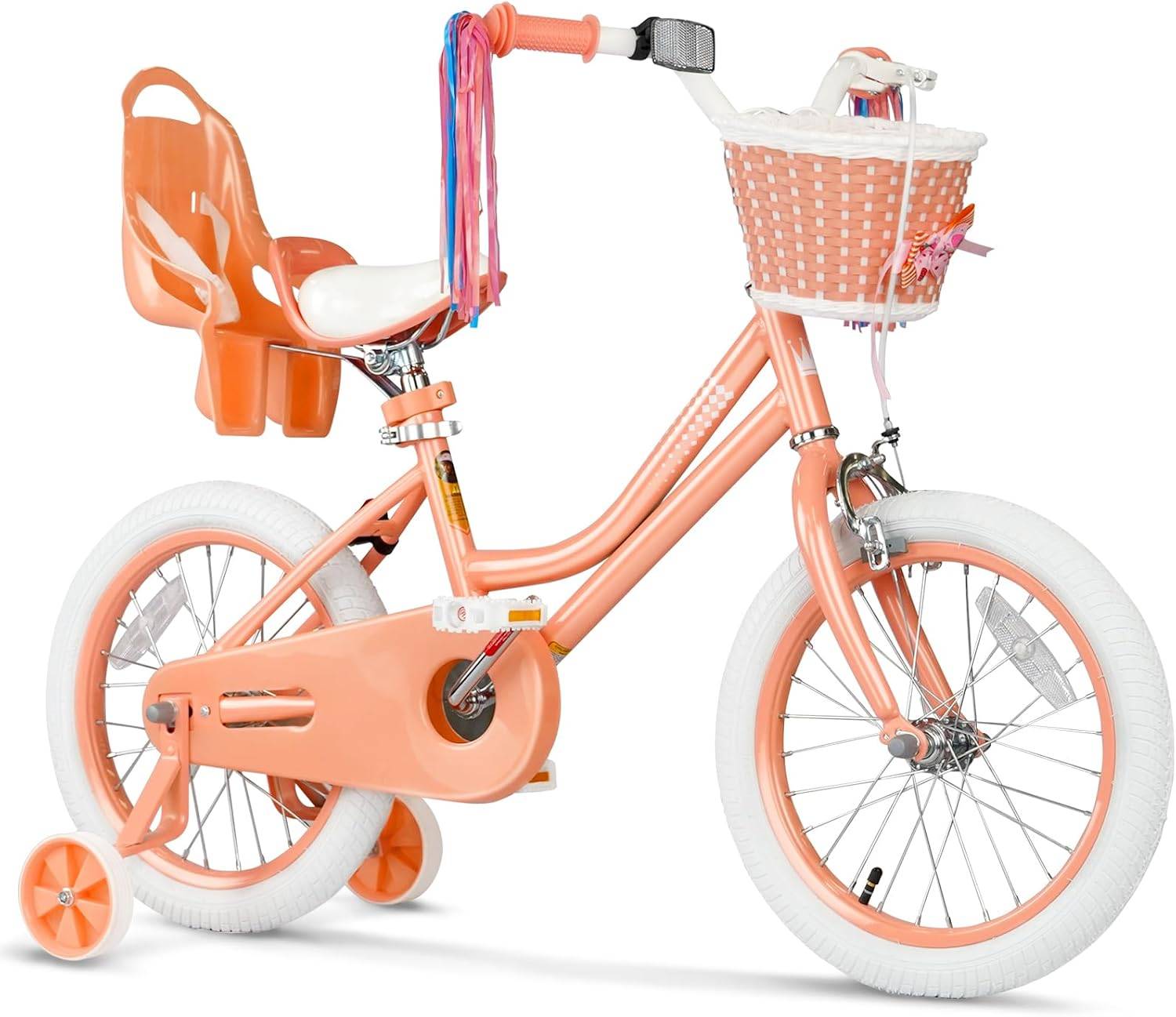 Girls 12/14/16 Inch Kids Bike by XJD with Training Wheels – Peach
A peach XJD training-wheel bicycle available in 12 Inch, 14 Inch and 16 Inch variants. It can inform the separate child-bike decision but is not a substitute for a kid bike trailer.
XJD Pink Girls' Bike – Kids 12/14/16 Inch Training Wheel Bicycle, XJD Girls Bike for Kids Ages 3-8, 12/14/16 Inch with Training Wheels – Purple, and Girls 12/14/16 Inch Kids Bike by XJD with Training Wheels – Peach are all cataloged as training-wheel bikes with 12 Inch, 14 Inch and 16 Inch options. Any age wording in a title is only a catalog label, not proof of fit.
If the actual need is a child’s bicycle, XBikes uses these starting points: 12 Inch for 34–40 in (86–102 cm), generally ages 3–4; 14 Inch for 37–45 in (94–114 cm), generally ages 3–6; and 16 Inch for 40–48 in (102–122 cm), generally ages 4–7. Measure the rider and have the child try the bicycle. Prioritize stand-over room, inseam, reach, brake control and current confidence, and never buy an oversized bike merely for growth.
Make the safest defensible choice
Shortlist only trailers whose manuals explicitly accommodate the measured child, intended passenger count, towing bicycle and planned use. Then choose among units with complete restraints, an undamaged structure, a verified hitch and backup retention, and instructions you can follow confidently. If compatibility or condition remains uncertain, do not carry the child; obtain confirmation from the manufacturer or a qualified bicycle mechanic first.
Bikes for your next adventure
-

Kids Bike Helmet by XJD for Girls – Pink
The XJD Kids Bike Helmet in Pink is a lightweight multi-sport helmet for girls r…$59.99
$99 -
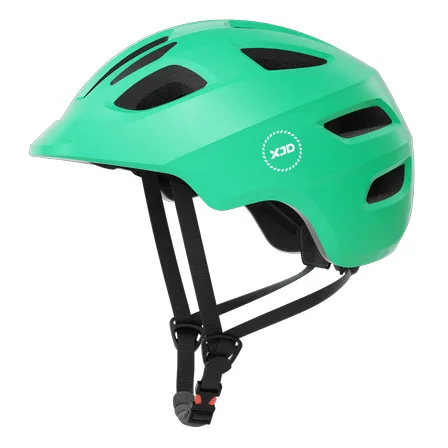
Green XJD Kids Bike Helmet for Boys & Girls
The Green XJD Kids Bike Helmet is a lightweight multi-sport helmet for toddlers …$59.99
$99 -

Blue XJD Kids Bike Helmet for Boys & Girls
The Blue XJD Kids Bike Helmet is a lightweight, adjustable multi-sport helmet fo…$59.99
$99