

Why 24 inch bike not popular
A 24 inch bike can seem less popular because it fills a narrow transition between common 20 inch kids’ bikes and 26 inch youth or adult bikes.
Why the 24 inch category feels overlooked
The premise is partly about timing, not usefulness. XBikes lists 20 inch wheels as a starting point for riders 48–60 inches (122–152 cm) tall, 24 inch wheels for riders 54–64 inches (137–163 cm), and 26 inch wheels for youth and adults over 60 inches (153 cm). Those ranges overlap, so some children can compare more than one size.
That overlap makes 24 inch bikes less automatic to choose. A growing rider may still control a well-fitting 20 inch bike, while a taller rider may already be ready to evaluate a 26 inch model. The 24 inch option matters most when it gives the individual rider better stand-over room, reach, brake access and control than either neighboring size.
Age is only a starting point: XBikes associates 24 inch wheels with ages 10–14, but measured fit and confidence take priority. The American Academy of Pediatrics advises having the child try the bicycle rather than buying an oversized bike merely to allow for growth.
What to measure before comparing sizes
- Height: Measure the rider without shoes, standing straight against a wall. Compare the result with the XBikes starting ranges.
- Inseam: Measure from the floor to the crotch. Use that measurement when checking whether the rider can stand over the actual bicycle comfortably.
- Reach: On the bicycle, check that the rider can hold the handlebar without stretching, locking the elbows or leaning awkwardly.
- Brake control: Confirm that the rider can reach and operate the brake controls confidently while maintaining a secure grip.
- Current confidence: Ask the rider to start, steer, slow, stop and dismount in a controlled setting. A nominal size match does not replace these checks.
Frame geometry can differ even when wheel labels match. Follow the exact product manual for setup and adjustment, or use a qualified bicycle mechanic when fit or assembly is uncertain.
Compare 20, 24 and 26 inches directly
| Wheel label | XBikes starting point | What to verify |
|---|---|---|
| 20 Inch | Ages 7–12; 48–60 in / 122–152 cm | Whether it still provides comfortable reach and confident control |
| 24 Inch | Ages 10–14; 54–64 in / 137–163 cm | Whether it improves fit without making handling or braking harder |
| 26 Inch | Youth and adults over 60 in / 153 cm | Whether the rider can stand over, reach and control the actual bike |
Do not decide by wheel diameter alone. If the rider is inside an overlap, try the relevant bicycles and choose the one that permits the most natural control today. Being able to touch a bicycle does not prove that its handlebar reach or brake controls fit.
How the supplied 24 inch options help
These catalog choices are relevant because all three include an exact 24 Inch SKU, while two also offer both neighboring 20 Inch and 26 Inch labels. They provide useful same-model size comparisons instead of treating 24 inches as an isolated category.
 Pink XJD Beach Cruiser Bike, 24"/26", U-Brake
Available in 24 Inch and 26 Inch labels, this beach cruiser supports a direct adjacent-size comparison. The supplied catalog facts also identify a U-brake, but individual fit still requires an in-person check.
 XJD Kids Beach Cruiser Bicycle, Rear Rack & V-Brakes, Mint Green
Its 20 Inch, 24 Inch and 26 Inch labels make this mint-green beach cruiser relevant for comparing the full overlap around 24 inches. Supplied features include a rear rack and V-brakes.
 XJD Pink Beach Cruiser for Girls – Rear Rack & V-Brake
This pink beach cruiser offers 20 Inch, 24 Inch and 26 Inch labels for neighboring-size comparison. The catalog identifies a rear rack and V-brake; its title wording is not evidence of fit.
Pink XJD Beach Cruiser Bike, 24"/26", U-Brake is offered in 24 Inch and 26 Inch labels, so it can help a taller rider compare the transitional size with the next wheel label. Its supplied catalog facts identify a U-brake, but they do not establish fit for any particular child.
XJD Kids Beach Cruiser Bicycle, Rear Rack & V-Brakes, Mint Green is offered in 20 Inch, 24 Inch and 26 Inch labels. That three-size selection makes it relevant when a rider’s measured height falls within an overlap and the family wants to compare adjacent labels. The catalog also identifies a rear rack and V-brakes.
XJD Pink Beach Cruiser for Girls – Rear Rack & V-Brake likewise has 20 Inch, 24 Inch and 26 Inch labels, plus the supplied rear-rack and V-brake details. The wording “for Girls” is the exact catalog title, not evidence about who will fit or control the bicycle.
These products are relevant 24 inch candidates, not proof that 24 inches is correct. Compare only actual configurations available to try, and consult each exact product manual for assembly, maintenance, compatibility or load information not supplied here.
When 24 inches is—and is not—the next move
A 24 inch bike is worth considering when the rider’s height is near the 54–64 inch (137–163 cm) starting range and an actual fit check shows comfortable stand-over, natural reach, accessible brakes and confident handling. It is not the right move merely because of age, because friends use that size, or because a larger bike appears to offer more growing room.
If a 20 inch bicycle remains easier to control, do not rush the transition. If the rider is over 60 inches (153 cm), compare 24 and 26 inch bicycles rather than assuming either one fits. Whatever the decision, use a properly fitting bicycle helmet worn level with its straps adjusted according to the helmet manufacturer’s instructions, as advised by the U.S. Consumer Product Safety Commission.
The practical answer to “why is a 24 inch bike not popular?” is its short, overlapping role. Measure the rider now, try 20, 24 and—when height makes it relevant—26 inches, then choose 24 only if the real fit and control checks favor it.
Bikes for your next adventure
-
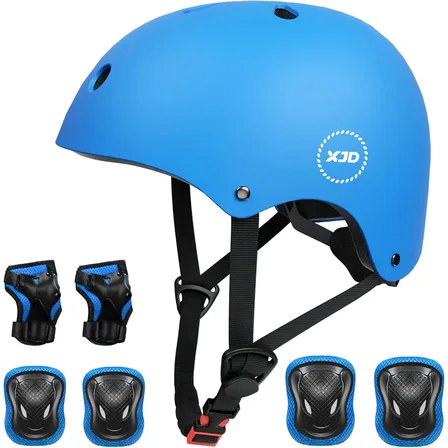
Blue XJD Helmet & Protective Gear Set for Kids, Sizes S/M
The Blue XJD Helmet & Protective Gear Set is made for kids roughly 3 to 8 years …$23.79
-
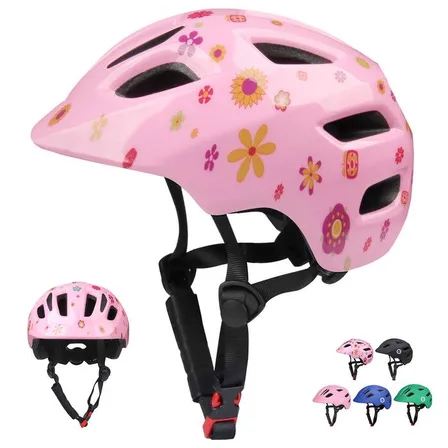
Girls Bike Helmet by XJD, Pink Flower Print
7 reviews
The XJD Girls Bike Helmet in Pink Flower print is a fun, floral kids helmet desi…$59.99
-

Green XJD Toddler Bike Helmet with Adjustable Fit, XS (46–51 cm)
The XJD toddler bike helmet in Green is built for the youngest riders — the size…$20.39
$23.99