

Why are kids bikes so heavy
Kids’ bikes are often heavy because frames, wheels, tyres, brakes and child-friendly parts still need enough strength, while the bike is small.
Why the weight feels so noticeable
A child’s bike may weigh less than an adult bicycle yet represent a much larger share of its rider’s body weight. That ratio is what makes lifting, starting, steering and recovering from a lean feel difficult. Small wheels do not shrink every component proportionally: hubs, bearings, pedals, chains, brake hardware and fasteners still need practical dimensions.
Extra equipment can add more weight. Training wheels, baskets and racks may be useful, but they also add parts. A heavier bike is not automatically poor quality, and a lighter one is not automatically suitable. Fit, control and condition matter alongside the number on the scale.
Measure before comparing bikes
Measure the child’s height and inseam without shoes, then weigh the complete, ride-ready bike on a reliable scale. Include fitted accessories because that is the weight the child must handle. If comparing models, use the same scale and configuration for each.
The American Academy of Pediatrics advises having the child try the bicycle and avoiding an oversized bike bought merely for growth. During the fit check, confirm that the child can:
- stand over the bike with comfortable clearance;
- reach the handlebar without stretching or locking the elbows;
- turn the handlebar while remaining balanced;
- reach and operate the brakes with control;
- start, stop and place a foot down confidently.
Age is only a starting point. Use measured height, inseam, reach, brake control and current confidence to make the final decision.
Use wheel size as a starting point
| Wheel size | Starting age | Rider height |
|---|---|---|
| 12 Inch | 3–4 | 34–40 in / 86–102 cm |
| 14 Inch | 3–6 | 37–45 in / 94–114 cm |
| 16 Inch | 4–7 | 40–48 in / 102–122 cm |
| 18 Inch | 5–9 | 43–52 in / 109–132 cm |
| 20 Inch | 7–12 | 48–60 in / 122–152 cm |
| 24 Inch | 10–14 | 54–64 in / 137–163 cm |
| 26 Inch | Youth and adults | Over 60 in / 153 cm |
Do not move up a wheel size solely because a larger bike may last longer. An oversized bicycle can make its weight harder to manage by increasing stand-over height and reach. Two bikes with the same labelled wheel size can also fit differently, so the physical try-out remains essential.
Compare weight in a useful way
Ask for the complete bicycle weight rather than a frame-only figure, and check whether accessories are included. Then compare bikes of the same suitable wheel size and intended setup. A weight difference between a 14-inch bike and a 24-inch bike says little because they serve different rider-height starting points.
- Identify the wheel-size range from measured height.
- Rule out any bike the child cannot comfortably straddle, reach or brake.
- Compare complete weights among the remaining correctly fitting options.
- Let the child push, turn, start, stop and lift the front slightly.
- Choose the option the child can control now, not one intended for future growth.
If the bike feels unusually difficult despite fitting correctly, check for underinflated tyres, rubbing brakes, stiff bearings or unnecessary accessories. Follow the exact product manual for inspection and maintenance, or ask a qualified bicycle mechanic; do not guess adjustments or torque settings.
How the supplied XBikes options help
These catalog options span 12, 14, 16, 20, 24 and 26 Inch labels, so they help narrow a same-size, like-for-like comparison after measuring the rider. Their listed equipment also shows why complete-bike configuration matters when discussing heaviness.
 XJD Boys & Girls BMX Bike with Training Wheels, 12/14/16" – Blue
Available in 12, 14 and 16 Inch labels, this BMX bike provides smaller-wheel comparison points. Its listed training wheels make complete, configured-bike comparison relevant, but no product weight is supplied.
 XJD Pink Beach Cruiser for Girls – Rear Rack & V-Brake
Offered in 20, 24 and 26 Inch labels, this beach cruiser can inform comparisons for taller riders. Its listed rear rack and V-brake make configuration, brake reach and control important fit-check considerations.
 Girls' Training Wheel Bike by XJD with Basket – Purple
Available in 14, 16 and 20 Inch labels, this model spans several XBikes starting-size ranges. Its listed training wheels and basket make it relevant when comparing complete ready-to-ride configurations rather than incomplete weights.
The XJD Boys & Girls BMX Bike with Training Wheels, 12/14/16" – Blue is offered in 12 Inch, 14 Inch and 16 Inch labels. Its training wheels are relevant when comparing complete setups; the catalog provides no weight, so weigh or verify the exact configured bicycle rather than assuming.
The Girls' Training Wheel Bike by XJD with Basket – Purple has 14 Inch, 16 Inch and 20 Inch labels. Both the training-wheel wording and basket are reasons to compare it in its ready-to-ride configuration, but they do not establish whether it will fit or feel manageable.
The XJD Pink Beach Cruiser for Girls – Rear Rack & V-Brake is listed in 20 Inch, 24 Inch and 26 Inch sizes. Its rear rack and V-brake distinguish the stated configuration. Check the child’s reach and ability to operate that brake rather than inferring control from wheel size.
Decide what to do next
First measure the rider, shortlist only matching starting sizes, and arrange an individual fit check. Weigh each complete candidate consistently and compare only bikes that the child can confidently control. Remove optional accessories only if the product manual permits it, and have uncertain assembly or brake work handled by a qualified bicycle mechanic.
Before riding, use a bicycle helmet that fits properly, sits level and has its straps adjusted according to the helmet manufacturer’s instructions. If a lighter bike fits poorly but a heavier one fits and operates comfortably, do not choose by weight alone; if the child cannot start, steer, brake or recover confidently, keep looking.
Bikes for your next adventure
-
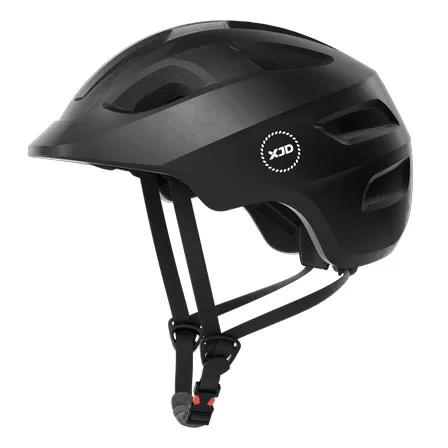
Kids Multi-Sport Bike Helmet by XJD – Black
7 reviews
The XJD Kids Multi-Sport Bike Helmet in Black is a lightweight, adjustable helme…$59.99
$49 -

Kids Bike Helmet by XJD for Girls – Pink
The XJD Kids Bike Helmet in Pink is a lightweight multi-sport helmet for girls r…$59.99
$99 -

Kids Bike Helmet by XJD for Boys & Girls – Black, Blue, Green, Pink, Purple
The XJD Kids Bike Helmet covers a wide 2-to-8-year age range thanks to two head-…$59.99