

Why does a 26inch bike feel slow
A 26-inch bike usually feels slow because it is too large for the rider, needs adjustment or maintenance, or is mismatched to the route—not because 26-inch wheels are inherently slow.
First decide what “slow” means
Ask the rider whether the bike is hard to start, tiring to pedal, reluctant to coast, difficult to steer, or simply slower than another bicycle. Those symptoms point to different checks. Compare the bikes on the same flat route, with the same rider and similar effort, rather than judging by wheel size alone.
If the rider cannot start confidently, turn without stretching, or operate both brakes comfortably, investigate fit before performance. A bike that demands too much reach or body movement can feel sluggish because the child cannot apply power or control it naturally.
Measure the rider and check the fit
Measure the child’s height without shoes. Then check inseam, reach to the handlebar, stand-over clearance, brake-lever reach and present riding confidence on the actual bicycle. XBikes lists 26-inch wheels as a starting point for youth and adults over 60 inches (153 cm); it is not a guaranteed fit.
Have the rider straddle and try the bike. They should be able to mount, start, stop, steer and reach the controls without excessive stretching or leaning. Do not choose an oversized bicycle merely to leave room for growth. If the rider is below the 26-inch starting point or loses control when starting and stopping, compare an individually fitted smaller size.
| Wheel size | XBikes starting height | Starting age |
|---|---|---|
| 20 Inch | 48–60 in / 122–152 cm | 7–12 |
| 24 Inch | 54–64 in / 137–163 cm | 10–14 |
| 26 Inch | Over 60 in / 153 cm | Youth and adults |
The ranges overlap because wheel size alone does not determine fit. Prioritize measured height, inseam, reach, brake control and confidence over age.
Rule out mechanical drag
Lift each wheel and turn it by hand. A wheel that stops abruptly, rubs, wobbles noticeably or makes repeated contact may be adding resistance. Check whether the tires appear underinflated, whether the chain runs roughly, and whether the pedals or wheels resist turning. Also notice whether a brake seems to remain engaged after its control is released.
Compare tire inflation with the markings and instructions for the exact tire and bicycle; do not guess a pressure. Follow the product manual for adjustment, assembly, lubrication, compatibility and torque. If the source of drag is unclear, or a wheel, brake or drivetrain needs adjustment, use a qualified bicycle mechanic.
Compare rider effort and riding conditions
A soft surface, hill, headwind, frequent stops or an unsuitable gear can make any bicycle feel slow. Observe whether the rider is pushing very hard at a low pedal rate or spinning rapidly without gaining useful speed. Use the bike’s available controls as described in its manual, and repeat the comparison on a familiar, level route.
Also compare like with like. Different bicycles can have different riding positions, tires, gearing and condition, so wheel diameter by itself cannot explain the result. A taller wheel may change handling and fit, but it does not automatically make a bicycle faster or slower.
How the supplied bikes help with the comparison
The catalog includes both 24-inch and 26-inch beach-cruiser options, so these particular products can help separate a size question from a model or setup question. They are comparison choices, not proof that either size fits a particular rider.
 26-Inch XJD Beach Cruiser Bike for Girls – Purple, V-Brake
A direct 26-inch comparison: the Purple / 26 Inch option matches the wheel size in question. Its listed 20-, 24- and 26-inch variants can support a size-label comparison, but each requires an individual fit check.
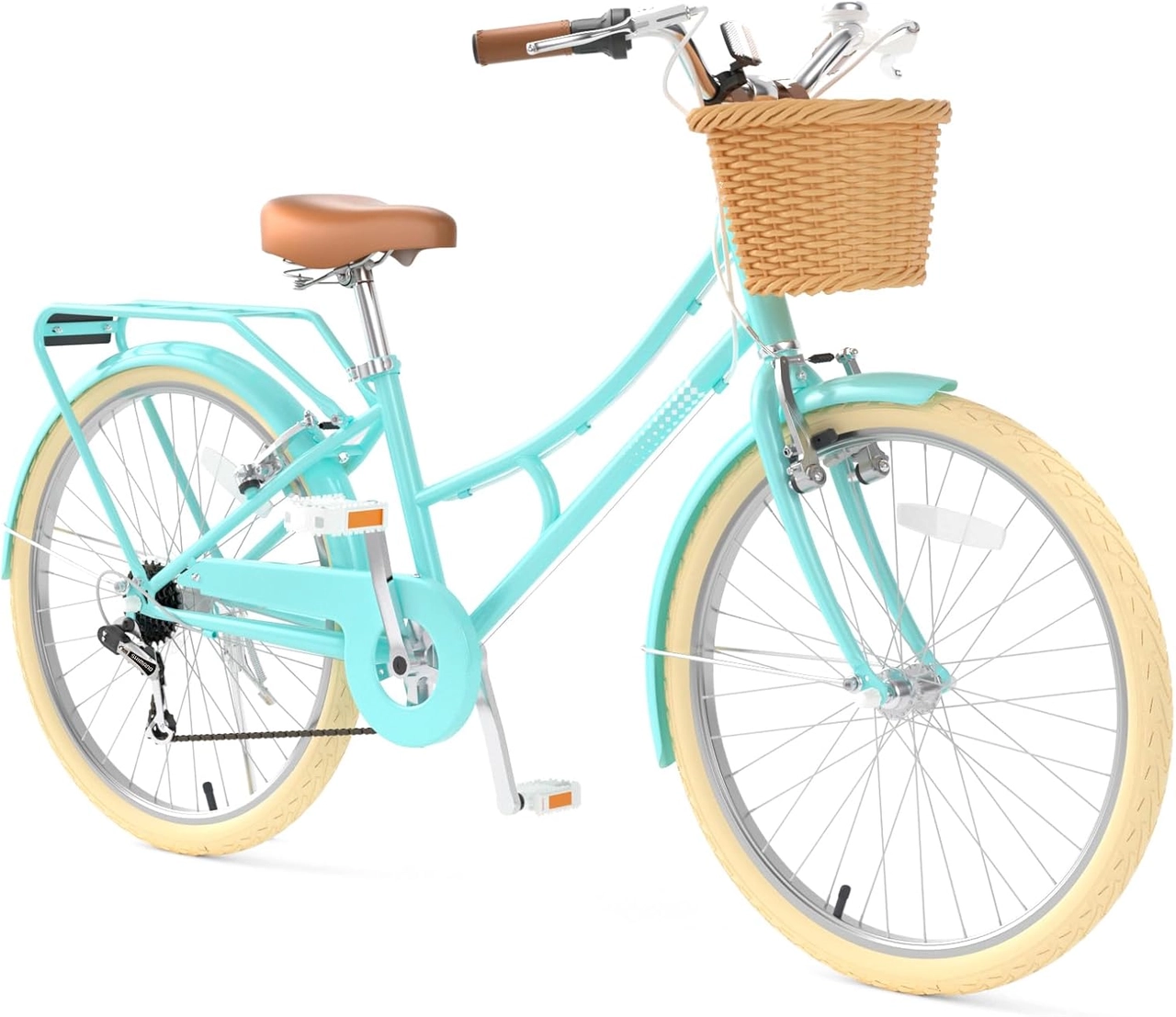 XJD 24-Inch Green Beach Cruiser Bike with U-Brake
Offers listed 24-inch options as smaller-size comparison points and a Pink / 26 Inch option matching the questioned wheel size. Neither label determines fit; measure the rider and check reach, control and confidence.
The 26-Inch XJD Beach Cruiser Bike for Girls – Purple, V-Brake directly matches the questioned 26-inch wheel size in its Purple / 26 Inch option. Its other listed options include 20-, 24- and 26-inch sizes in specified colors, which makes it useful when reviewing available size labels before arranging an actual fit check.
The XJD 24-Inch Green Beach Cruiser Bike with U-Brake has Green / 24 Inch, Pink / 24 Inch and Pink / 26 Inch listed options. The 24-inch versions are smaller-size comparison points, not equivalent substitutes for a 26-inch bicycle; the Pink / 26 Inch option matches the wheel size but still requires its own fit and control check.
Brake names in the product titles do not establish which bicycle will feel faster or fit better. Assess whether the rider can comfortably operate the controls, and consult the exact manual or a qualified mechanic for adjustment details.
What to do next
- Measure the rider’s height and inseam, then compare height with the XBikes starting points.
- Watch the rider mount, start, steer, stop and reach both brakes.
- Check tire condition and inflation guidance, wheel rotation, brake release, pedals and chain for drag.
- Repeat the ride on the same level surface and note whether the problem is starting, pedaling, coasting or control.
Use a properly fitting bicycle helmet that sits level, with straps fitted according to its manufacturer’s instructions. If the 26-inch bike passes the fit checks but still resists rolling, have it serviced; if the rider is stretched or uncertain, compare a properly fitted smaller size rather than trying to make the 26-inch bike feel faster.
Bikes for your next adventure
-
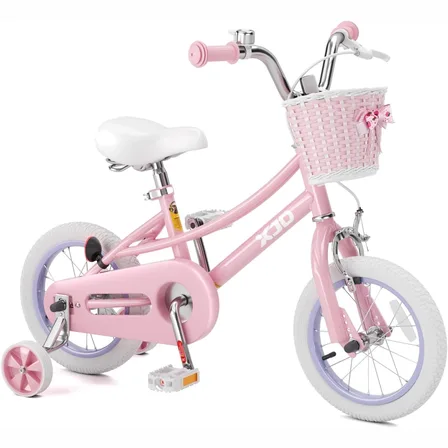
Pink 12/14/16/20" XJD Girls Bike with Training Wheels & Basket
The Pink XJD Girls Bike with Training Wheels & Basket is a first-bike pick f…$65.99
$75.99 -

XJD Kids Bike for Girls – Pink, 12/14/16/20 Inch with Training Wheels
The XJD Kids Bike for Girls in Pink is a training-wheel bike built to carry your…$139
$159 -

Kids Bike Helmet by XJD for Boys & Girls – Black, Blue, Green, Pink, Purple
The XJD Kids Bike Helmet covers a wide 2-to-8-year age range thanks to two head-…$59.99