

Why every kid should learn to ride a bike
Every kid should have the chance to learn to ride a bike because it builds movement skills, confidence, independence and shared family time. The right next step is a properly fitted bike, a properly fitted helmet and calm practice—not an oversized bicycle bought for future growth.
What children gain from learning
Riding asks a child to balance, steer, pedal or coast, look ahead and make decisions at the same time. As those abilities develop, the child gains practical control over speed and direction. Progress is easy to notice: a longer glide, a smoother start or a more controlled stop can turn uncertainty into confidence.
Cycling can also make active family time easier to share. A short practice session or family ride gives children a skill they can keep using as their range and confidence grow. The goal is opportunity, not pressure. Some children need more time, an adapted cycle or specialist guidance; success should be defined around the individual rider rather than comparison with siblings or friends.
Measure before comparing bikes
Begin with the child's current height and inseam. Measure height without shoes, standing straight against a wall. For inseam, have the child stand with feet slightly apart and measure from the floor to the crotch. These measurements narrow the search, but they do not replace trying the bicycle.
| Wheel size | Starting age | Rider height |
|---|---|---|
| 12 Inch | 3–4 | 34–40 in / 86–102 cm |
| 14 Inch | 3–6 | 37–45 in / 94–114 cm |
| 16 Inch | 4–7 | 40–48 in / 102–122 cm |
| 18 Inch | 5–9 | 43–52 in / 109–132 cm |
| 20 Inch | 7–12 | 48–60 in / 122–152 cm |
| 24 Inch | 10–14 | 54–64 in / 137–163 cm |
| 26 Inch | Youth and adults | Over 60 in / 153 cm |
Use age only as a starting point. Overlapping ranges are normal, so prioritize measured height, inseam, reach, brake control and current confidence. Never move up merely because a birthday or age label suggests it.
Check fit and control on the actual bike
Have the child try the bicycle. They should be able to stand over it with appropriate clearance, reach the controls without straining and steer while remaining composed. Check whether they can operate the brakes confidently and stop under control. A child who stretches, wobbles because of the reach or cannot manage the brakes needs a different fit or setup.
Do not buy an oversized bike for growth. Extra room for future use does not compensate for poor control today. Where adjustment, assembly, compatibility, maintenance or torque is uncertain, follow the exact product manual or ask a qualified bicycle mechanic.
Where the supplied bikes fit the decision
The three catalog options are relevant when the fit check points to a 12, 14 or 16 Inch training-wheel bike. Each offers those same three size labels, so the useful comparison is the required wheel size first and the listed color and exact product choice second. They help families turn the benefits of learning into a concrete, size-aware shortlist.
 XJD Boys 12/14/16" Training Wheel Bike – Blue
A blue training-wheel bike offered in 12 Inch, 14 Inch and 16 Inch labels; relevant only when the rider’s measurements and individual control check support one of those sizes.
 Black XJD Kids Bike for Boys – 12, 14 & 16 Inch Sizes
A black training-wheel bike with 12 Inch, 14 Inch and 16 Inch options, useful as a color and size-label comparison after current fit has been checked.
 XJD Kids' Training Wheel Bike for Boys & Girls, 12/14/16 Inch – White
A white training-wheel bike listed in 12 Inch, 14 Inch and 16 Inch sizes; consider it when one offered size matches the rider’s measurements, reach, braking and confidence.
XJD Boys 12/14/16" Training Wheel Bike – Blue is listed in blue with 12 Inch, 14 Inch and 16 Inch options. Black XJD Kids Bike for Boys – 12, 14 & 16 Inch Sizes provides the same three labeled sizes in black. XJD Kids' Training Wheel Bike for Boys & Girls, 12/14/16 Inch – White provides them in white.
Those titles and labels do not establish fit by themselves. Select among them only after the child's measurements and in-person control check identify one of the offered sizes. If the rider needs 18, 20, 24 or 26 Inch, none of these products supplies that size; they are smaller-size comparison points, not substitutes, and another wheel size is not equivalent.
Make the first sessions calm and repeatable
- Choose a quiet, open practice area away from traffic and avoid steep ground.
- Fit a bicycle helmet so it sits level, fits properly and has its straps used according to the helmet manufacturer's instructions.
- Let the child become familiar with mounting, looking ahead, steering and stopping before asking for longer riding.
- Keep sessions short enough that attention and confidence remain intact. End after a small success instead of pushing through fear or fatigue.
Training wheels can be relevant for families choosing within this supplied category, but their presence does not remove the need to check reach, braking and overall control. Use the bicycle exactly as directed by its product manual, and have uncertain assembly or adjustments handled by a qualified bicycle mechanic.
Decide what to do next
Measure the child now, locate the matching starting range, then arrange an individual fit and control check. If 12, 14 or 16 Inch fits, compare the three supplied training-wheel bikes by the required size and preferred listed color. If none fits—or conventional cycling is not suitable—pause the purchase and seek a correctly sized or adapted option. Give every child a realistic path to riding, but let present control determine the bike and the pace.
Bikes for your next adventure
-

Kids Bike Helmet by XJD for Boys & Girls – Black, Blue, Green, Pink, Purple
The XJD Kids Bike Helmet covers a wide 2-to-8-year age range thanks to two head-…$59.99
-
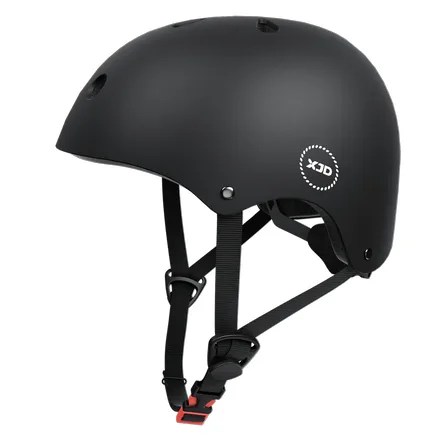
7-in-1 Kids Helmet & Protective Gear Set from XJD – Black or Blue
If you're outfitting one kid (or a couple of siblings) for biking, scootering, o…$59.99
-
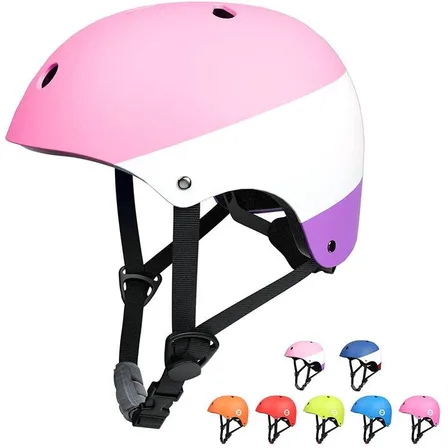
XJD Kids Bike Helmet for Boys & Girls, B White / Pink White
The XJD Kids Bike Helmet covers a wide age range — suggested for ages 2 through …$59.99