

Why would i want a bike with 26 inch wheeels
A 26-inch-wheel bike makes sense when the rider is over 60 inches (153 cm) tall and can comfortably stand over, reach, steer and brake on that exact bike.
What a 26-inch bike changes
The main reason to consider 26-inch wheels is fit for a taller youth or adult. Under the XBikes starting points, 26 Inch is the first size listed for youth and adults over 60 inches (153 cm). It is not automatically a better bike, and the larger label does not prove that a child is ready for it.
A well-fitting 26-inch bike can give a sufficiently tall rider an appropriately sized riding position. An oversized one can make starting, stopping, turning and putting a foot down harder. Do not buy it simply to leave room for growth; choose it only after checking the actual rider on the complete bike.
Measure before comparing bikes
Measure the rider without shoes, standing straight against a wall, to establish height. Then measure inseam from the floor to the crotch using a firm book held level to represent the saddle area. Height identifies a starting category; inseam helps you judge clearance and the ability to stop confidently.
Record both measurements, then bring them to the fit check. There is no supplied universal inseam number for a 26-inch bike, because frame shapes differ. Instead, compare the rider directly with the exact bicycle and its manual.
| Wheel size | XBikes starting point | How to use it |
|---|---|---|
| 20 Inch | Ages 7–12; 48–60 in / 122–152 cm | A smaller comparison for riders within this height range |
| 24 Inch | Ages 10–14; 54–64 in / 137–163 cm | Compare directly when the rider overlaps this range |
| 26 Inch | Youth and adults over 60 in / 153 cm | Consider only with a successful individual fit check |
Age is secondary. A rider near a boundary may need to compare adjacent sizes because body proportions, reach, coordination and confidence vary.
Run this fit check on the exact bike
- Check stand-over: With the rider straddling the bicycle, confirm that they can stand securely rather than being forced onto tiptoes or against the frame.
- Check starting and stopping: The rider should be able to mount, begin moving, stop and put a foot down without the bike feeling unmanageable.
- Check reach: Hands should reach the handlebar without an extreme stretch, locked arms or a cramped posture.
- Check steering: Ask the rider to make controlled turns at low speed while looking ahead and maintaining balance.
- Check brake control: The rider must comfortably reach and operate the brake controls while keeping control of the handlebar.
- Check confidence: Hesitation, wobbling or difficulty controlling the larger bike is a reason to compare a smaller size, even when height suggests 26 inches.
Have the child try the bicycle rather than relying on the wheel label or age. If adjustments, assembly details or compatibility questions affect the fit, follow the exact product manual or ask a qualified bicycle mechanic.
How the supplied bike helps you compare
The supplied catalog listing, XJD Kids Beach Cruiser Bicycle, Rear Rack & V-Brakes, Mint Green, is offered with 20 Inch, 24 Inch and 26 Inch SKU labels. Those three labeled options make it relevant for comparing the requested 26-inch size with nearby starting points without treating the sizes as interchangeable.

Use the listing only to identify which labeled size you want to examine. Its exact title supplies the beach-cruiser category, rear rack, V-brakes and mint-green description, but it does not establish rider fit. Confirm the selected SKU label and test that exact size. Do not infer frame dimensions, weight, load capacity or adjustment limits from the title; consult its manual or a qualified bicycle mechanic for those details.
When 26 inches is not the right choice
Do not choose 26 inches if the rider is 60 inches (153 cm) or shorter solely because they are expected to grow. The XBikes starting points place 20 Inch at 48–60 inches (122–152 cm) and 24 Inch at 54–64 inches (137–163 cm), so some riders around the transition should compare sizes in person.
A 26-inch option is also unsuitable when the rider cannot stand over the bicycle securely, reaches too far for the handlebar, struggles to steer, cannot operate the brakes comfortably or loses confidence during basic starts and stops. A smaller wheel label is not automatically correct either; it still requires the same individual check.
Finish with equipment and a decision
Before riding, provide a bicycle helmet that fits properly, sits level and has its straps adjusted according to the helmet manufacturer’s instructions. Follow the bicycle manual for assembly, maintenance and all unspecified adjustments, or use a qualified bicycle mechanic.
Choose the 26 Inch SKU only if the rider is over 60 inches (153 cm) and passes every stand-over, reach, steering, braking and confidence check on that exact bike. Otherwise, compare the 24 Inch or 20 Inch label that matches the rider’s measured height, then repeat the fit check rather than buying 26 inches for future growth.
Bikes for your next adventure
-

Kids Bike Helmet by XJD for Boys & Girls – Black, Blue, Green, Pink, Purple
The XJD Kids Bike Helmet covers a wide 2-to-8-year age range thanks to two head-…$59.99
-
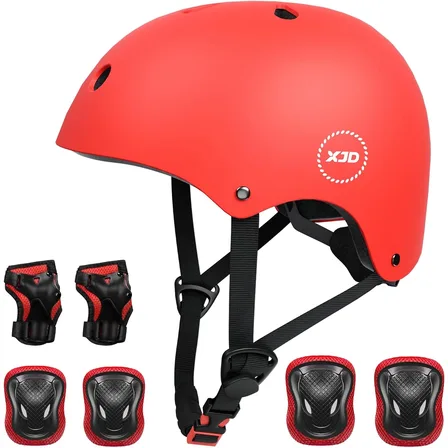
Red XJD Helmet & Protective Gear Set for Kids, Medium
If your child rides a bike, scooter, or skateboard, this red XJD helmet and prot…$25.49
$29.99 -

Flower Pink XJD Girls Bike with Doll Seat & Basket
The XJD Flower Pink girls' bike is made for riders 71–122 cm tall (roughly ages …$69.99