

What is the difference between a boy and girl bike
The main difference between a boy bike and a girl bike is usually the label, styling or frame shape—not who can ride it. Fit, control and confidence matter more.
What the labels actually mean
A child does not need a bicycle marketed to their gender. Either label can suit any child when the bicycle fits their body, feels comfortable and is easy for them to control. Let the rider choose colors or styling they enjoy, but make the purchase decision from fit.
Some models may use different frame shapes, handlebar positions, saddles or accessories. Do not assume those differences from a “boy” or “girl” name: compare the actual bicycles. A lower-looking frame can make mounting easier, for example, but its label does not prove that it offers better clearance or control.
Measure the rider before comparing bikes
Measure the child’s height without shoes. Then measure inseam from the floor to the crotch while the child stands naturally. Height provides a wheel-size starting point; inseam helps you judge stand-over room when the child tries the actual bicycle.
Age is only a rough reference. XBikes uses these starting points for the sizes relevant to the supplied catalog option:
| Wheel size | Starting age | Rider height |
|---|---|---|
| 12 Inch | 3–4 | 34–40 in / 86–102 cm |
| 14 Inch | 3–6 | 37–45 in / 94–114 cm |
| 16 Inch | 4–7 | 40–48 in / 102–122 cm |
Overlapping ranges are normal and do not make two sizes equivalent. Prioritize measured height, inseam, reach, brake control and current confidence over age alone.
What to check during a real fit test
Have the child try each candidate bicycle instead of choosing from its gender label or buying an oversized model for growth. While the bicycle is held steady, check whether the rider can mount and dismount without struggling and has comfortable clearance when standing over it.
- Reach: The child should hold the handlebars without stretching, locking their elbows or leaning awkwardly.
- Steering: Ask them to turn the bars both ways while keeping a stable riding position.
- Brake control: If the bicycle has hand-operated controls, verify that the child can reach and operate them securely. Do not infer the brake setup from a product name.
- Confidence: The rider should be able to start, stop and balance at a level appropriate to their current ability.
If the fit is borderline, compare both nearby sizes in person. Do not select the larger one merely because the child may grow into it.
How the supplied bike helps with this comparison
The XJD Boys & Girls BMX Bike with Training Wheels, 12/14/16" – Blue is relevant because its catalog title explicitly includes both boys and girls, while its available labels provide 12 Inch, 14 Inch and 16 Inch comparison points. It illustrates that size choice can be separated from gender wording; the correct option still depends on an individual fit check.

These options are relevant only when the rider’s measurements place them near the supplied 12-, 14- or 16-inch starting ranges. They are not substitutes for an 18-, 20-, 24- or 26-inch bicycle when the child needs one of those sizes. The product facts supplied here do not establish weight, materials, brake type, load limits, certification or detailed adjustability.
Compare the bicycles, not the gender category
Once likely wheel sizes are identified, place the actual candidates side by side. Compare stand-over clearance, handlebar reach, mounting ease, control access and how confidently the child can maneuver each one. Saddle comfort is also individual; a gender label cannot predict what will feel right.
For assembly, adjustments, maintenance, compatibility, load limits and torque values, follow the exact product manual. If the instructions are missing or the setup is uncertain, use a qualified bicycle mechanic rather than guessing.
Make the final boy-bike versus girl-bike decision
Choose the bicycle on which the child fits now, reaches the controls, mounts comfortably and rides with control. Then let preference decide between equally suitable colors or styles. Add a properly fitting bicycle helmet that sits level, with its straps used according to the helmet manufacturer’s instructions.
In short: measure height and inseam, shortlist the matching wheel-size range, test reach and control on the actual bike, and ignore “boy” or “girl” wording unless it points to a real feature that improves this child’s fit.
Bikes for your next adventure
-
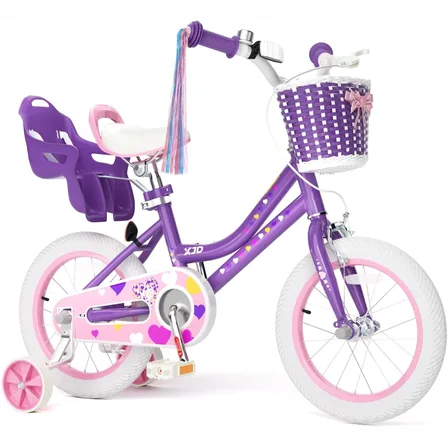
XJD Light Purple Girls Bike with Basket, Training Wheels, 12/14/16/20 Inch
The XJD Girls Bike with Basket in Light Purple is a single-speed training-wheel …$99.99
$119.99 -
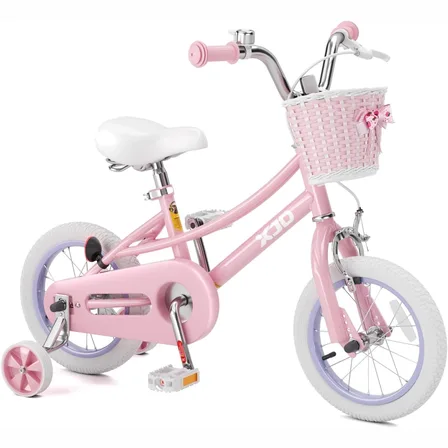
Pink 12/14/16/20" XJD Girls Bike with Training Wheels & Basket
The Pink XJD Girls Bike with Training Wheels & Basket is a first-bike pick f…$65.99
$75.99 -
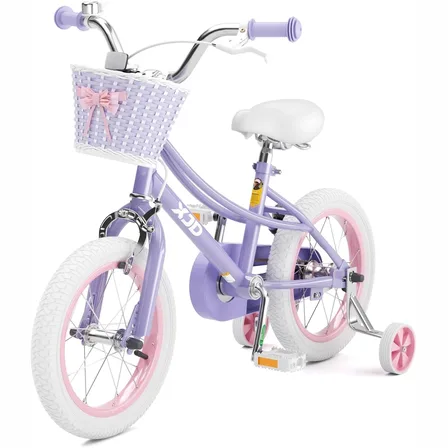
Girls' Training Wheel Bike by XJD with Basket – Purple
If you're shopping for a first bike for a girl roughly 3 to 12 years old (91–152…$75.99