

Can a Kids Cruiser Bike Ride on Gravel?
Can a kids cruiser bike ride on gravel? Sometimes a firm, smooth path is manageable at a slow pace, but a cruiser designed around neighborhood pavement is not automatically a gravel bike. Loose stones reduce traction and can change braking and steering quickly, especially for a less experienced child. The sensible answer depends on the exact tires, clearance, bicycle manual, rider skill and the condition of the particular path.
Separate hardpack from loose gravel
A compacted, mostly even shared path is different from deep stones, washboard, potholes or a downhill bend. Walk the route first and look for loose patches, vehicle crossings and sharp debris. If a child cannot keep a straight line and stop reliably on pavement, do not move the practice session to gravel. If the surface changes suddenly, dismount and walk rather than trying to power through.

Read the tire and bike guidance
Tread, width, casing and permitted pressure all influence control. Smooth cruiser tires may roll pleasantly on pavement but offer a different feel on loose material than mixed-surface tires. Check the actual tire sidewall and bicycle maker's intended use before changing tires or pressure. A wider or knobbier replacement is not automatically compatible with the frame, fenders or rims.
Consider the exact cruiser configuration
The mint-green XJD kids beach cruiser is listed in 20-, 24- and 26-inch options with a rear rack and V-brakes, and its current description emphasizes paved roads and urban terrain. That makes it a useful example of a practical pavement-oriented cruiser, not proof of gravel capability. Use the selected size's manual and current tires to decide whether a particular hardpacked path is suitable.
Run a slow control test if use is permitted
An adult should first inspect the route and bike. Begin on a short, flat, firm section with no traffic. Ask for gentle starts, broad turns and early braking, allowing more stopping room than on familiar pavement. Keep cargo off the rack during the trial. If the front wheel wanders, the child tenses up or the tires skid, return to pavement and reconsider the route or bicycle type.
How the current product examples fit
The XJD mint-green cruiser offers a real reference for a geared, rack-equipped family bicycle, but its pavement-oriented listing should not be rewritten as an all-terrain claim. The surface and tires decide the cautious answer. See XJD Kids Beach Cruiser Bicycle, Rear Rack & V-Brakes, Mint Green for the exact current options and specifications.
Quick checklist
- Read the model's intended-use guidance.
- Inspect the entire route before riding.
- Check tires, pressure and brake condition.
- Begin only on firm, flat ground.
- Walk through loose or uncertain sections.
Common questions
Can I add knobby tires to any cruiser?
No. Tire width and type must fit the frame, rim, brakes and fenders. Ask a qualified mechanic if compatibility is unclear.
Is a gravel driveway safe for a new rider?
Not automatically. Loose stones and vehicle movements make many driveways poor learning areas; a flat traffic-free paved area is usually easier.
Explore related guides
Use the beach-cruiser collection and kids-bike collection to compare other suitable configurations without assuming every model has the same features.
Bottom line
A cruiser can only be judged for a particular gravel surface after checking the manufacturer's intended use, tires and the child's control. Smooth pavement remains the simplest learning environment.
Bikes for your next adventure
-
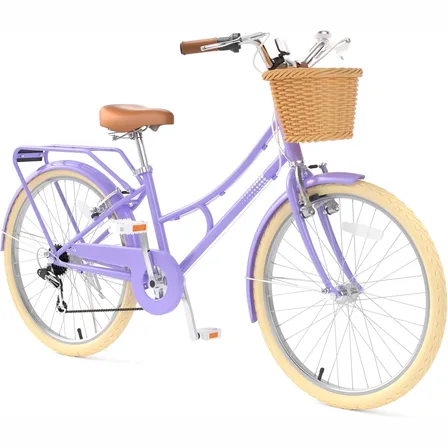
24-Inch Purple XJD Beach Cruiser Bike with U-Brake
The XJD 24-Inch Purple Beach Cruiser is built for girls and young women roughly …$159.99
-

26-Inch XJD Beach Cruiser Bike for Girls – Purple, V-Brake
This XJD 26-inch purple beach cruiser is sized for big kids and teens — suggeste…$218.49
$229.99 -
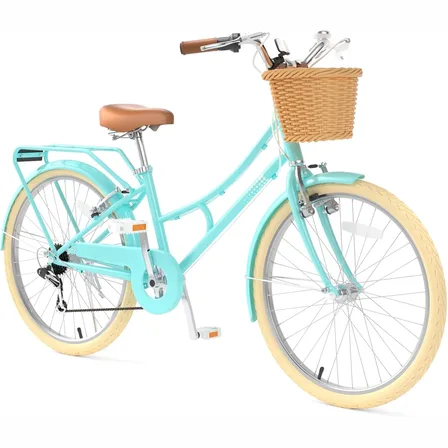
XJD 24-Inch Green Beach Cruiser Bike with U-Brake
This XJD 24-inch beach cruiser in green is made for riders about 4'8" to 5'4" ta…$159.99
$199.99