Kids Bike Brake Lever Loose: A Safety Checklist
A kids bike brake lever loose on the handlebar can rotate when a child reaches for it, while excess lever movement can also come from a cable or brake adjustment issue. Both affect predictable stopping. Keep the bicycle parked, identify exactly which part moves, and avoid tightening an unknown fastener until the lever and brake type are confirmed.
Separate clamp movement from lever travel
Hold the grip and apply gentle pressure to the lever body with the bicycle stationary. Watch whether the whole assembly rotates around the handlebar or only the blade travels farther than expected. Check for side-to-side play at the pivot. Do not squeeze a visibly damaged control hard or ask the child to demonstrate the problem while seated.
Inspect clamp, blade and pivot
Look for cracks, a bent blade, missing clamp hardware, stripped fastener heads, corrosion, and an uneven clamp gap. Some clamps are designed with a small amount of impact rotation, but the correct security test comes from the component manual. Never add a self-tapping screw, tape, or sharp shim to stop movement on the bar.
Check child reach before repositioning
The child's fingers should reach and operate the lever from a secure grip without sliding the whole hand outward. A reach-adjustment screw and a handlebar clamp serve different purposes. Do not rotate the lever merely to hide excess cable travel, and do not move it so far inward that the grip, bell, or shifter becomes unsafe to use.
Inspect the full brake path
Follow the cable or hose to the brake. Check accessible housing, anchors, pads, rim or rotor, and return movement. Keep oil away from every braking surface. A loose lever can coincide with frayed cable, damaged housing, worn pads, or a brake that does not center. Hydraulic leaks and structural damage require qualified bicycle service.
Perform a staged brake test
After approved tightening or repair at the specified torque, turn the bar fully both ways and confirm no cable pulls tight. Test each brake separately while walking the bike, then together at low speed under adult control on dry level ground. The lever must remain fixed and stop before contacting the grip. Any slip or inconsistent braking ends the test.
How current product examples clarify the choice
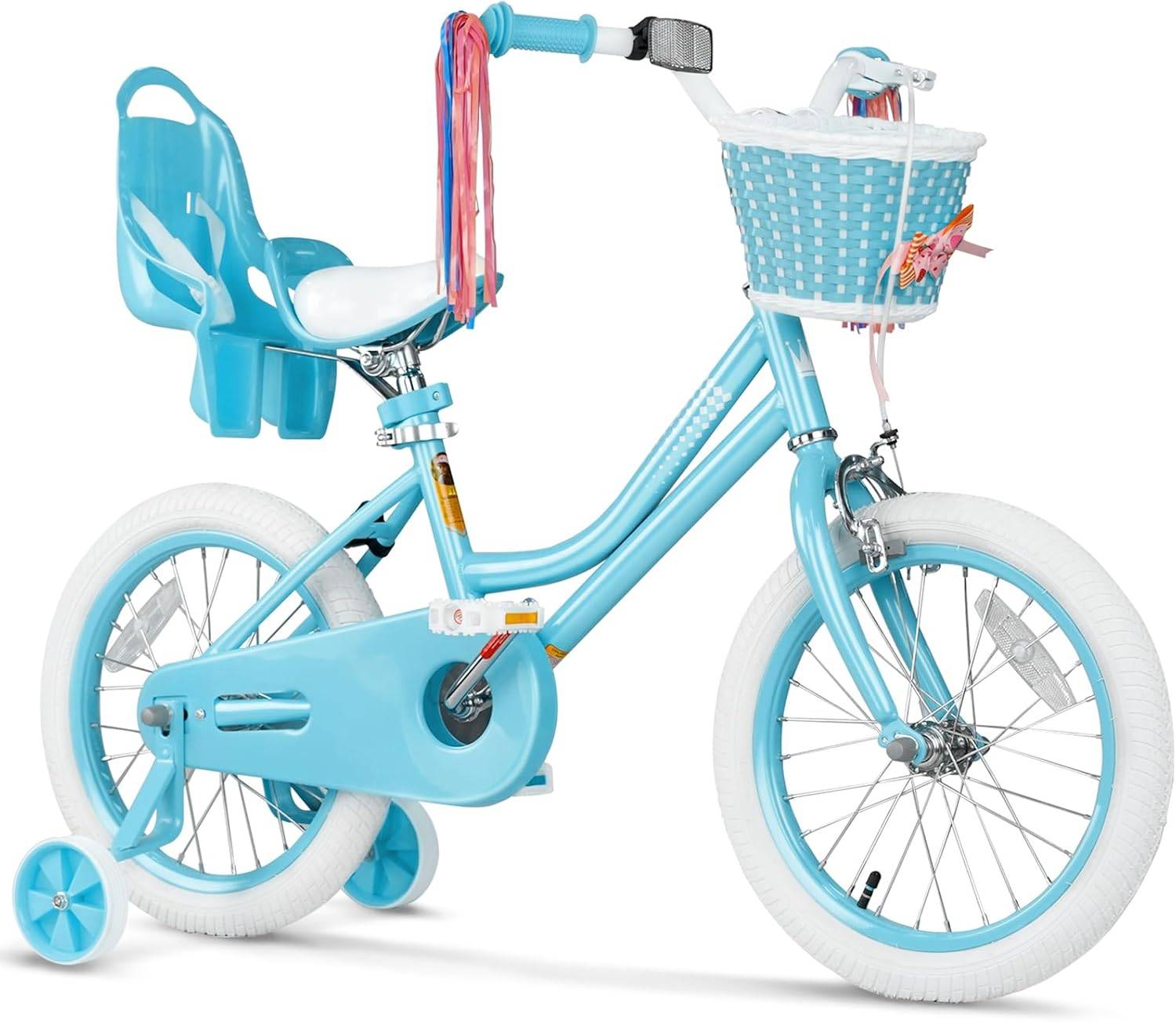
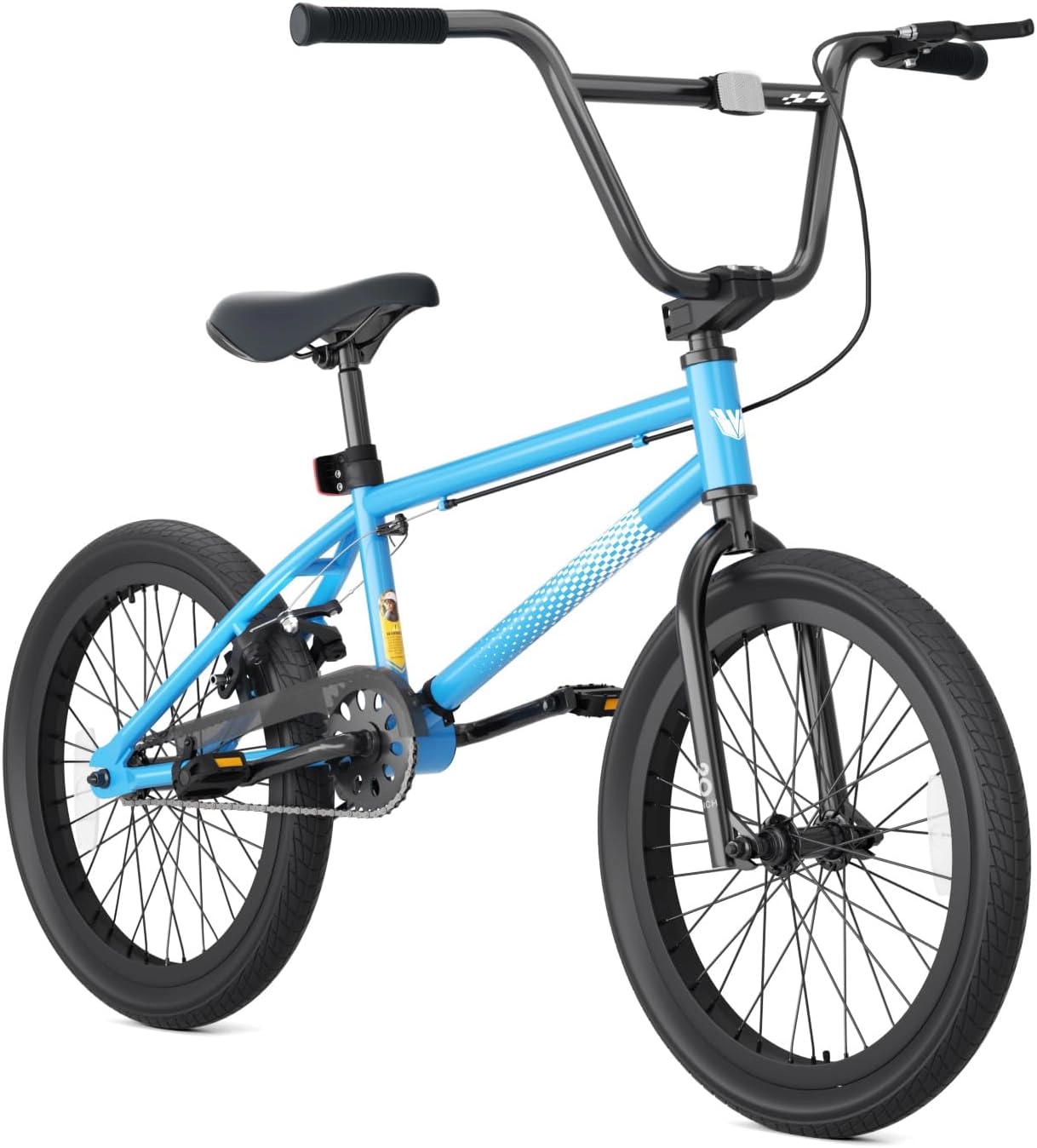
The Blue XJD 12/14/16-Inch Training Wheel Bike and Blue XJD 20-Inch Freestyle BMX Bike show different small-bike and larger BMX control layouts. That comparison helps explain why clamp position, hand reach, cable routing, and brake type must be checked on the actual bicycle rather than copied from a similar product image.
Practical checklist
- Find which joint moves.
- Inspect for cracks and missing hardware.
- Preserve easy child reach.
- Test each brake before riding.
Frequently asked questions
Can I tighten a bike brake lever as hard as possible?
No. Use the component's specified torque; excessive force can damage the clamp or handlebar.
Why does the lever reach the grip even though its clamp is tight?
Cable, pad, brake adjustment, air in a hydraulic system, or damaged parts may be responsible and need separate diagnosis.
Before making the final choice, revisit the exact route or driving area at the time it will normally be used. A setup that works during a quiet test may need more room, visibility or adult support when other people and everyday obstacles are present.
Bottom line
Use the answer to kids bike brake lever loose as a decision process, not a shortcut. Confirm the live product data and manual, match the rider to the controls and setting, and favor repeatable control over a larger size or higher performance label.
Recommended products
-
Save 15%
XJD Kids' Training Wheel Bike for Boys & Girls, 12/14/16 Inch – White
The XJD kids' training wheel bike in White is made for riders ages 3–8 (roughly …
Training Wheel Bikes Wheel Size 12 Inch / 14 Inch / 16 Inch Recommended Height 86–122 cm Training Wheels Yes 14 Inch -
Save 15%
Black XJD Kids Bike for Boys – 12, 14 & 16 Inch Sizes
For a son between roughly 3 and 8 years old, the XJD Kids Bike in Black covers t…
Training Wheel Bikes Wheel Size 12 Inch / 14 Inch / 16 Inch Recommended Height 86–122 cm Training Wheels Yes 12 Inch -
Save 15%
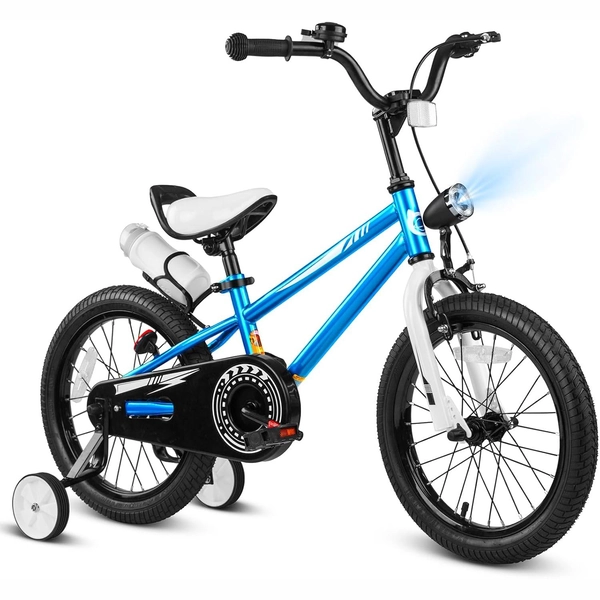
XJD Boys 12/14/16" Training Wheel Bike – Blue
The XJD Boys Bike in Blue is a training wheel bike for riders 71–122 cm tall—rou…
Training Wheel Bikes Wheel Size 12 Inch / 14 Inch / 16 Inch Recommended Height 86–122 cm Training Wheels Yes 16 Inch -
Save 11%
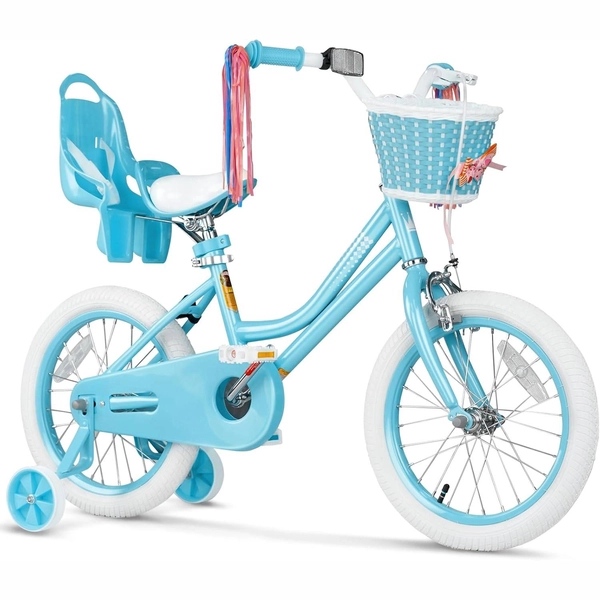
Blue XJD Girls Bike with Training Wheels – 12/14/16 Inch
If you're shopping for a first pedal bike for a daughter roughly 3 to 8 years ol…
Training Wheel Bikes Wheel Size 12 Inch / 14 Inch / 16 Inch Recommended Height 86–122 cm Training Wheels Yes 16 Inch