Should kids ride bicycle with training wheels
Yes—kids can ride a bicycle with training wheels when they need help staying upright, provided the bicycle fits and they can steer, stop and reach the controls. Training wheels are optional learning aids, not a reason to overlook fit or readiness.
When training wheels make sense
Training wheels can be relevant when a child wants to pedal but does not yet have enough confidence or balance to ride independently. They may let the child concentrate on pedaling, steering and stopping while receiving added side-to-side support.
They are less useful when the child already glides, turns and stops confidently without support, or when the training wheels make the bicycle lean, rock or handle unpredictably. A hesitant child should not be pressured to remove them on a schedule based only on age. Watch current control and confidence instead.
Measure the rider before choosing a bicycle
Measure the child’s height without shoes and check inseam, reach and control on the actual bicycle. Age is only a starting point. Have the child try the bike rather than buying an oversized model for future growth.
During the fit check, confirm that the child can stand over the bicycle comfortably, reach the handlebars without stretching, turn them through a useful range and operate the brakes reliably. The child should be able to get on and off without needing the training wheels to compensate for a frame that is too large.
Compare the relevant wheel-size starting points
| Wheel size | Age starting point | Rider-height starting point |
|---|---|---|
| 12 Inch | 3–4 | 34–40 in / 86–102 cm |
| 14 Inch | 3–6 | 37–45 in / 94–114 cm |
| 16 Inch | 4–7 | 40–48 in / 102–122 cm |
Overlapping ranges are comparison points, not proof that two sizes fit equally well. If a measured height falls in an overlap, compare stand-over clearance, seated reach, brake access and the child’s ability to control each bicycle. Choose from the individual fit check, not the older-looking or larger option.
How the supplied catalog option helps
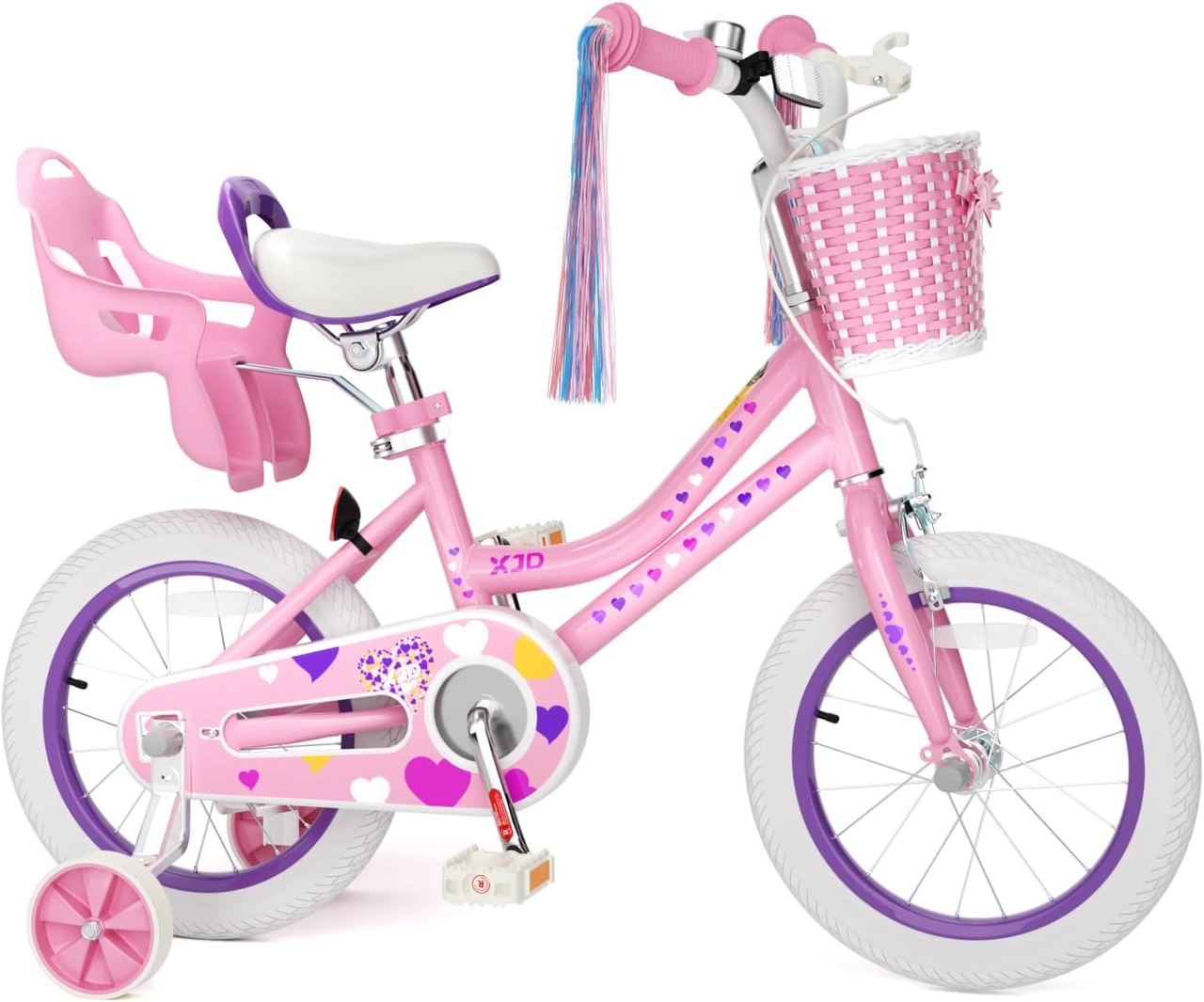
The Pink Girls' 12/14/16" Bike by XJD – Basket & Doll Seat is listed in the Training Wheel Bikes category and offers 12 Inch, 14 Inch and 16 Inch SKU labels. That makes it relevant for comparing the three starting ranges above, but its title, color and accessories do not establish fit. Select a labeled size only after measuring the rider and trying the bicycle.
Check readiness and setup before riding
Use a quiet, level area away from traffic for the initial check. With close adult supervision, ask the child to demonstrate each essential action:
- Mount and dismount without losing control.
- Look ahead while steering a deliberate path.
- Pedal without feet repeatedly slipping away.
- Reach and operate the brakes, then stop when asked.
- Keep hands on the controls while starting and slowing.
A properly fitting bicycle helmet is necessary. It should sit level, fit properly and have its straps adjusted according to the helmet manufacturer’s instructions. Clothing and footwear should not interfere with pedals, wheels or controls.
Inspect the bicycle before use. Training-wheel position and hardware can vary, so follow the exact product manual for assembly, adjustment, maintenance, compatibility, load limits and torque. If the instructions are missing, unclear or the bicycle does not track predictably, use a qualified bicycle mechanic rather than improvising a procedure.
Know when training wheels are not the answer
Do not use training wheels to make an oversized bicycle seem manageable. If the child cannot stand over it appropriately, reaches excessively, cannot operate the brakes or struggles to steer, choose a better-fitting size. Added supports do not correct those problems.
Pause riding if any part is loose, damaged or behaving unexpectedly. Training wheels also may not be appropriate if their exact compatibility with the bicycle is unknown; consult the product manual or a qualified bicycle mechanic.
Decide what to do next
Measure height and inseam, compare the appropriate wheel-size starting points, and arrange an individual fit check. If the child fits, controls the bicycle and still needs lateral support while learning to pedal, training wheels can be a reasonable temporary choice. If the child is already balanced and confident, begin without them; if fit or control fails, change the bicycle or size before the child rides.
Recommended products
-
Save 16%
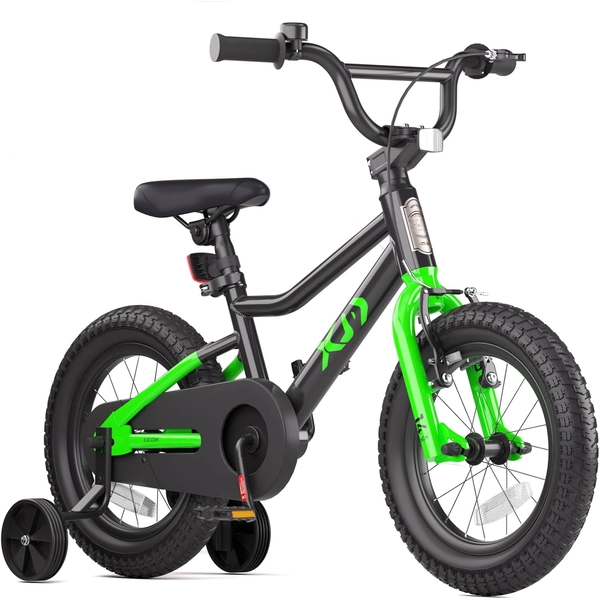
Black XJD Kids' BMX Bicycle with Training Wheels
The XJD Kids' BMX Bicycle with Training Wheels is built for children roughly 3 t…
Kids' BMX Bikes Wheel Size 12 Inch / 14 Inch / 16 Inch Recommended Height 86–122 cm Training Wheels Yes Single Speed 12 Inch -
Save 15%
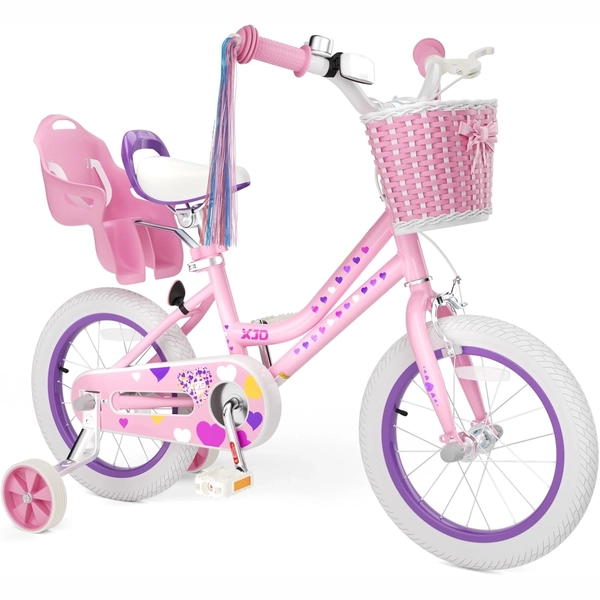
Light Pink XJD Girls' Bicycle with Basket & Training Wheels
The Light Pink XJD Girls' Bicycle with Basket & Training Wheels is a retro-style…
Training Wheel Bikes Wheel Size 12 Inch / 14 Inch / 16 Inch / 20 Inch Recommended Height 86–152 cm Training Wheels Yes Geared 14 Inch -
Save 11%
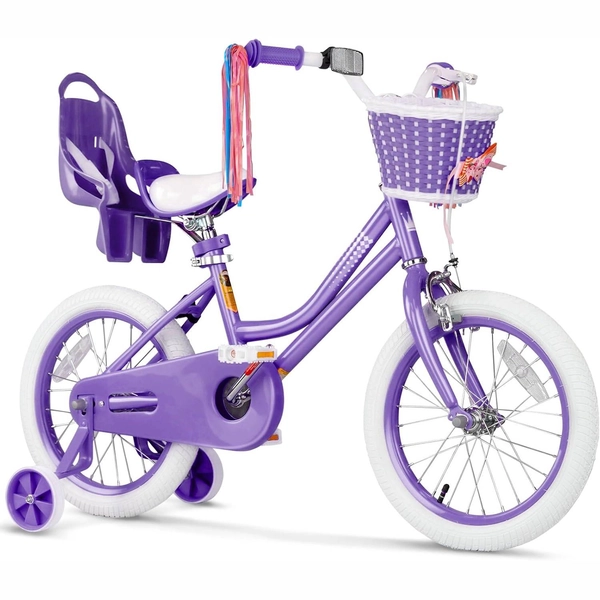
XJD Girls Bike for Kids Ages 3-8, 12/14/16 Inch with Training Wheels – Purple
The XJD Girls Bike in Purple is a training-wheel bicycle for kids ages 3 to 8, f…
Training Wheel Bikes Wheel Size 12 Inch / 14 Inch / 16 Inch Recommended Height 86–122 cm Training Wheels Yes 12 Inch -
Save 14%
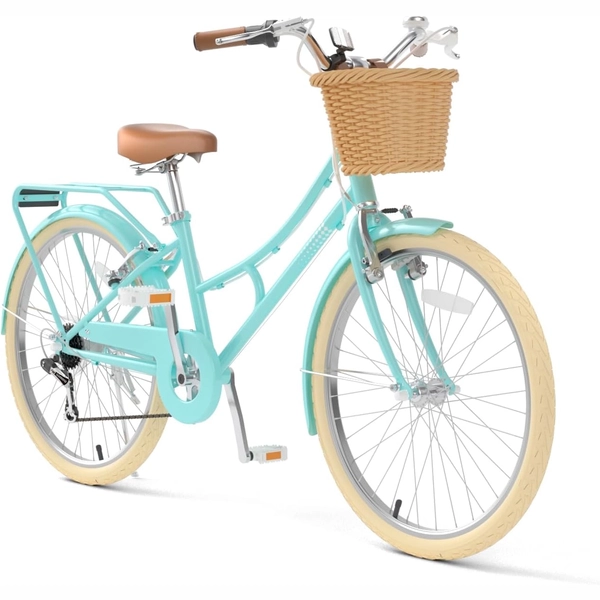
XJD Kids Beach Cruiser Bicycle, Rear Rack & V-Brakes, Mint Green
The XJD Beach Cruiser in Mint Green is a geared, multi-speed cruiser bike for ol…
Beach Cruiser Bikes Wheel Size 20 Inch / 24 Inch / 26 Inch Recommended Height 122–200 cm Training Wheels No Geared 20 Inch