What age should a child ride a bike without stabilisers
There is no single correct age for riding without stabilisers. Remove them when your child fits the bike, controls it confidently and can balance, steer, start and stop with help nearby.
Read readiness, not the birthday
Age is only a starting point for choosing a wheel size. It does not tell you whether a child is ready to ride on two wheels. A younger child with good balance and calm control may be ready, while an older child may need more practice.
Look for a child who wants to try, can keep the front wheel on a chosen path, and responds to instructions without freezing. They should also be able to start and stop repeatedly, operate the brakes they can reach, and put a foot down promptly when balance is lost.
If removing the stabilisers produces panic, uncontrolled turns or repeated falls, pause. Practise the missing skill in a quiet, level, traffic-free space and try again later. There is no benefit in turning the change into a deadline.
Measure the bike fit first
Measure your child’s standing height and inseam without shoes. Then have them try the actual bicycle. Check that they can stand over it comfortably, reach the handlebar without stretching, turn it freely and operate the brakes with control. Their feet must be able to reach the ground well enough for the learning method being used.
Do not buy an oversized bicycle merely to allow room for growth. American Academy of Pediatrics guidance emphasizes trying the bicycle and checking stand-over clearance, control and brake reach. A bike that is difficult to mount, steer or stop can delay the move away from stabilisers even when its age label appears suitable.
Compare height with wheel-size starting points
Use these XBikes ranges to narrow the choice, then confirm individual fit. Overlapping ranges are intentional: height alone cannot decide between two sizes.
| Wheel size | Starting age | Rider height |
|---|---|---|
| 12 Inch | 3–4 | 34–40 in / 86–102 cm |
| 14 Inch | 3–6 | 37–45 in / 94–114 cm |
| 16 Inch | 4–7 | 40–48 in / 102–122 cm |
| 18 Inch | 5–9 | 43–52 in / 109–132 cm |
| 20 Inch | 7–12 | 48–60 in / 122–152 cm |
| 24 Inch | 10–14 | 54–64 in / 137–163 cm |
| 26 Inch | Youth and adults | Over 60 in / 153 cm |
Where two rows match, compare inseam clearance, reach, brake control and present confidence on each actual bike. Choose the size the child can control now, not the larger number they may grow into.
How the supplied bike helps the comparison
The XJD Kids Bike for Girls – Pink, 12/14/16/20 Inch with Training Wheels is relevant because its supplied size options—12 Inch, 14 Inch, 16 Inch and 20 Inch—span several XBikes starting ranges and include training wheels. This makes those four options useful comparison points while deciding whether stabilisers are still appropriate. The wording in the product title is a catalog label, not evidence that a particular child fits or is ready.
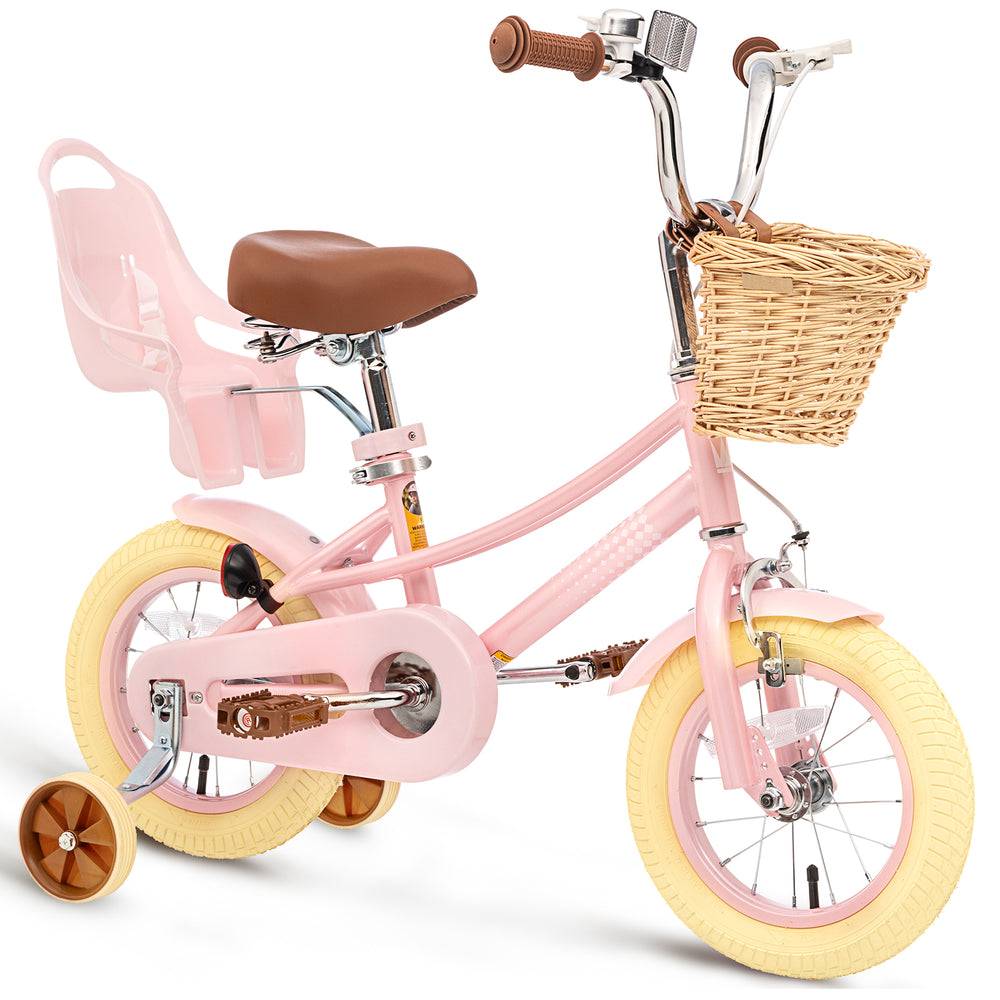
Match the child’s measured height to the table before comparing those options. An 18 Inch, 24 Inch or 26 Inch bicycle is not among the supplied variants, so this product is not a substitute when an individual fit check indicates one of those sizes. Do not assume adjacent wheel sizes are equivalent.
Run a controlled no-stabilisers check
- Choose a flat, open area away from vehicles, slopes and obstacles.
- Fit a bicycle helmet so it sits level and secure, with straps adjusted according to its manufacturer’s instructions.
- Confirm that the child can mount, reach the controls and brake without stretching or looking away from the path.
- Practise short, calm attempts at balancing, steering and stopping. Stay close enough to assist without pulling the handlebar off line.
- Stop while the child is still composed. Repeat another day if fatigue or frustration reduces control.
Before changing or removing hardware, follow the exact bicycle manual. If instructions, compatibility, assembly details or required torque are unclear, use a qualified bicycle mechanic rather than guessing.
Make the decision
Remove the stabilisers when the child fits the current bike and can consistently balance, steer, brake and recover with a foot down in a controlled practice area. Keep them temporarily if fit, reach, stopping control or confidence is uncertain. Measure height and inseam today, test the actual bike next, and let demonstrated control—not age alone—set the date.
Recommended products
-
Save 12%
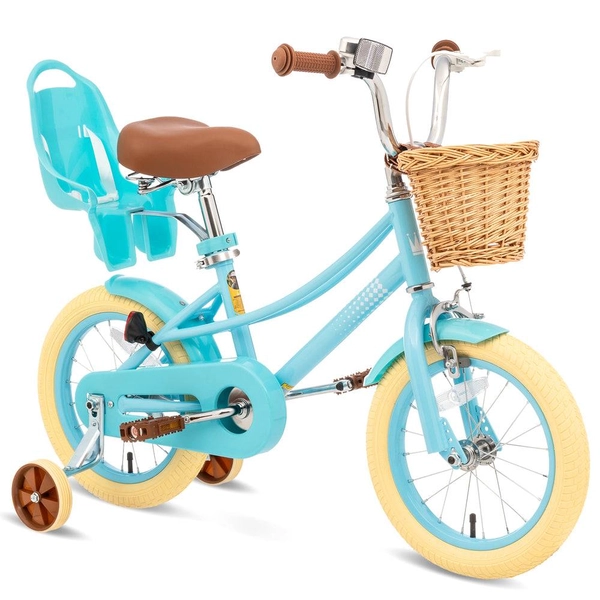
Girls' Training Wheel Bike by XJD, 12–20 Inch Wheels – Blue
This XJD girls' training wheel bike in Blue covers one of the widest fit ranges …
Training Wheel Bikes Wheel Size 12 Inch / 14 Inch / 16 Inch / 20 Inch Recommended Height 86–152 cm Training Wheels Yes 12 Inch -
Save 15%
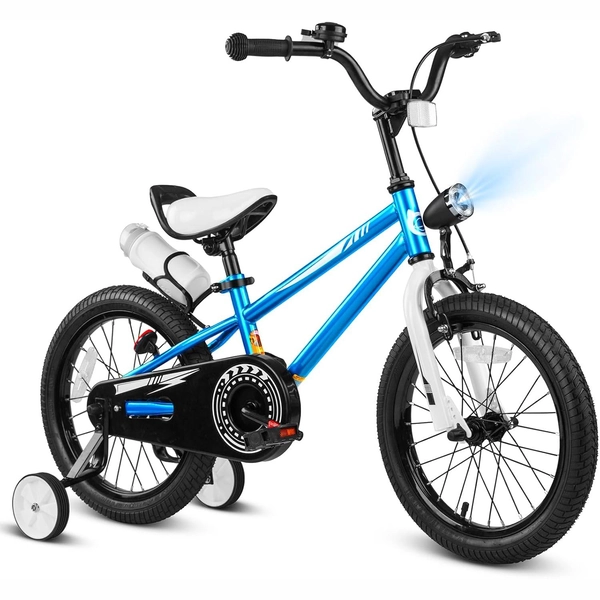
XJD Boys 12/14/16" Training Wheel Bike – Blue
The XJD Boys Bike in Blue is a training wheel bike for riders 71–122 cm tall—rou…
Training Wheel Bikes Wheel Size 12 Inch / 14 Inch / 16 Inch Recommended Height 86–122 cm Training Wheels Yes 16 Inch -
Save 15%
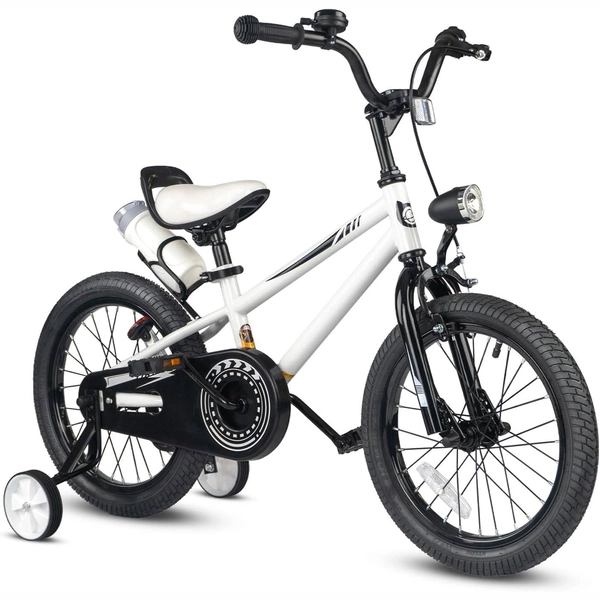
XJD Kids' Training Wheel Bike for Boys & Girls, 12/14/16 Inch – White
The XJD kids' training wheel bike in White is made for riders ages 3–8 (roughly …
Training Wheel Bikes Wheel Size 12 Inch / 14 Inch / 16 Inch Recommended Height 86–122 cm Training Wheels Yes 14 Inch -
Save 12%
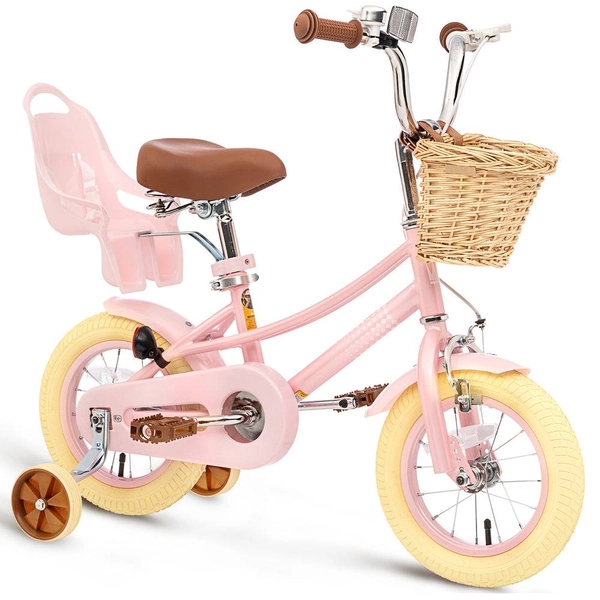
XJD Kids Bike for Girls – Pink, 12/14/16/20 Inch with Training Wheels
The XJD Kids Bike for Girls in Pink is a training-wheel bike built to carry your…
Training Wheel Bikes Wheel Size 12 Inch / 14 Inch / 16 Inch / 20 Inch Recommended Height 86–152 cm Training Wheels Yes 12 Inch