What age should children get a bike with training wheels
Most children get a bike with training wheels around age 3 to 6, but height, inseam, control and confidence—not birthday alone—should decide.
Use age only as a starting point
Training wheels may be useful when a child is ready to pedal and steer but cannot yet balance confidently. They are not necessary for every child, and they should not be used to make an oversized bicycle seem manageable.
XBikes lists these starting points for the wheel sizes most relevant to younger riders:
| Wheel size | Starting age | Rider height |
|---|---|---|
| 12 Inch | 3–4 | 34–40 in / 86–102 cm |
| 14 Inch | 3–6 | 37–45 in / 94–114 cm |
| 16 Inch | 4–7 | 40–48 in / 102–122 cm |
The overlapping ranges are intentional starting points, not automatic prescriptions. Measure the child now and complete an individual fit check before choosing a size.
Measure before comparing bikes
Measure the child’s height without shoes, standing straight against a wall. Then measure inseam from the floor to the crotch. Record both measurements rather than relying on clothing size or an estimate from age.
Next, have the child try the bicycle. Check that the frame provides appropriate stand-over clearance and that mounting and stopping do not require awkward movements. A child should be able to sit in a stable position, reach the handlebar without stretching, steer through a comfortable range and operate the brakes with enough hand reach and control.
Do not buy a larger bike solely to leave room for growth. If the child fits two starting ranges, compare actual stand-over, reach, brake access and confidence on each bicycle. Wheel diameter by itself does not establish a safe or comfortable fit.
Decide whether training wheels are useful now
Training wheels are relevant when the correctly sized bike fits the child, the child can understand basic stopping and steering, and extra lateral support helps them practise pedalling. They are less relevant if the child already starts, rides, turns and stops confidently without them.
Pause rather than proceeding if the rider cannot reach or control the brakes, cannot steer comfortably, appears stretched over the frame, or is frightened even with close adult supervision. Training wheels do not correct poor fit, inadequate brake control or a bike that is too large.
How the supplied options compare
The three catalog options help answer the age question because each offers 12 Inch, 14 Inch and 16 Inch labels, allowing parents to compare the relevant XBikes starting ranges against the child’s measurements. Their supplied facts do not establish individual fit, equipment details or readiness.
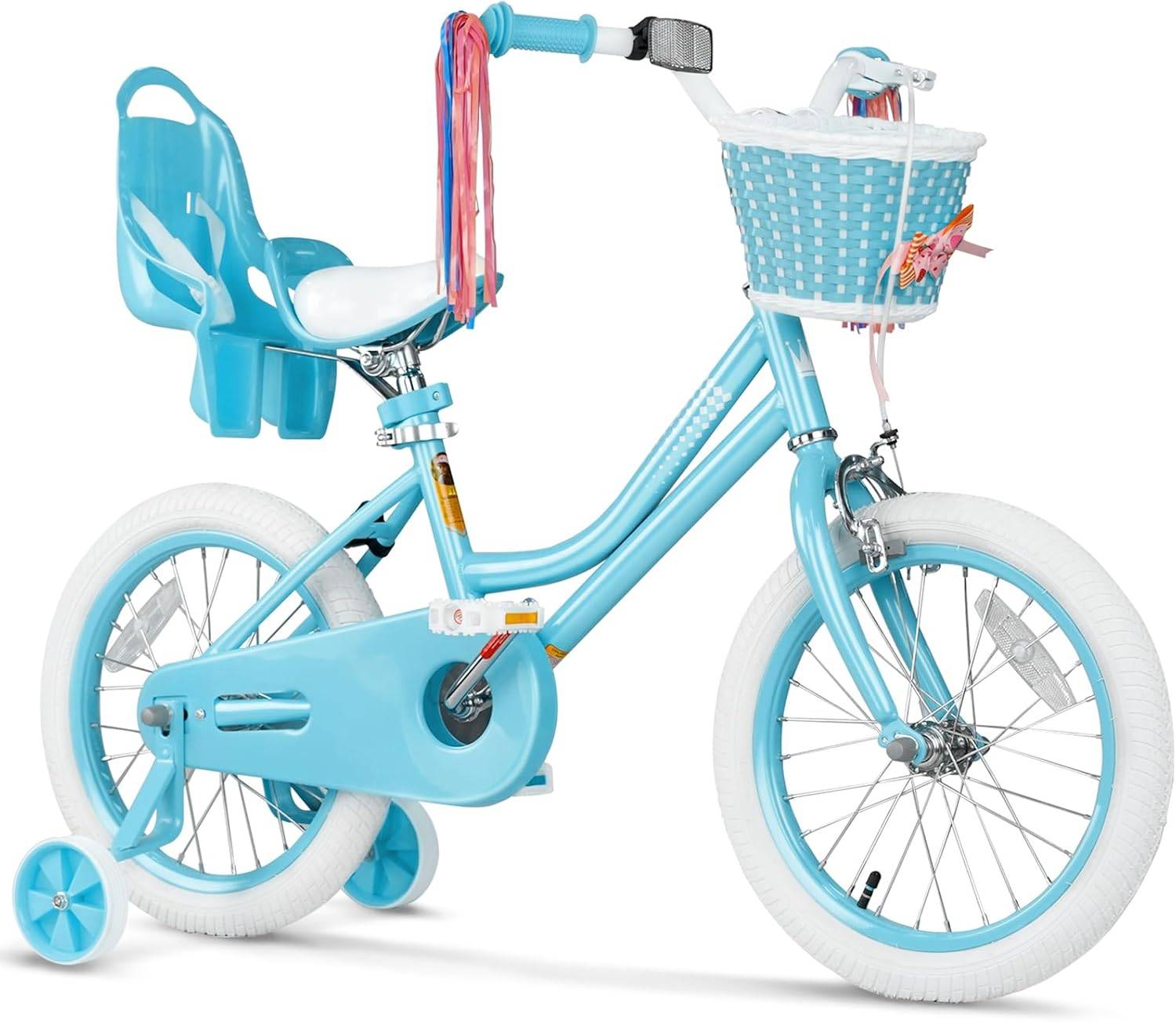 Blue XJD Girls Bike with Training Wheels – 12/14/16 Inch
A Training Wheel Bikes listing with 12 Inch, 14 Inch and 16 Inch options, making it relevant for comparison after measuring the child and checking individual fit.
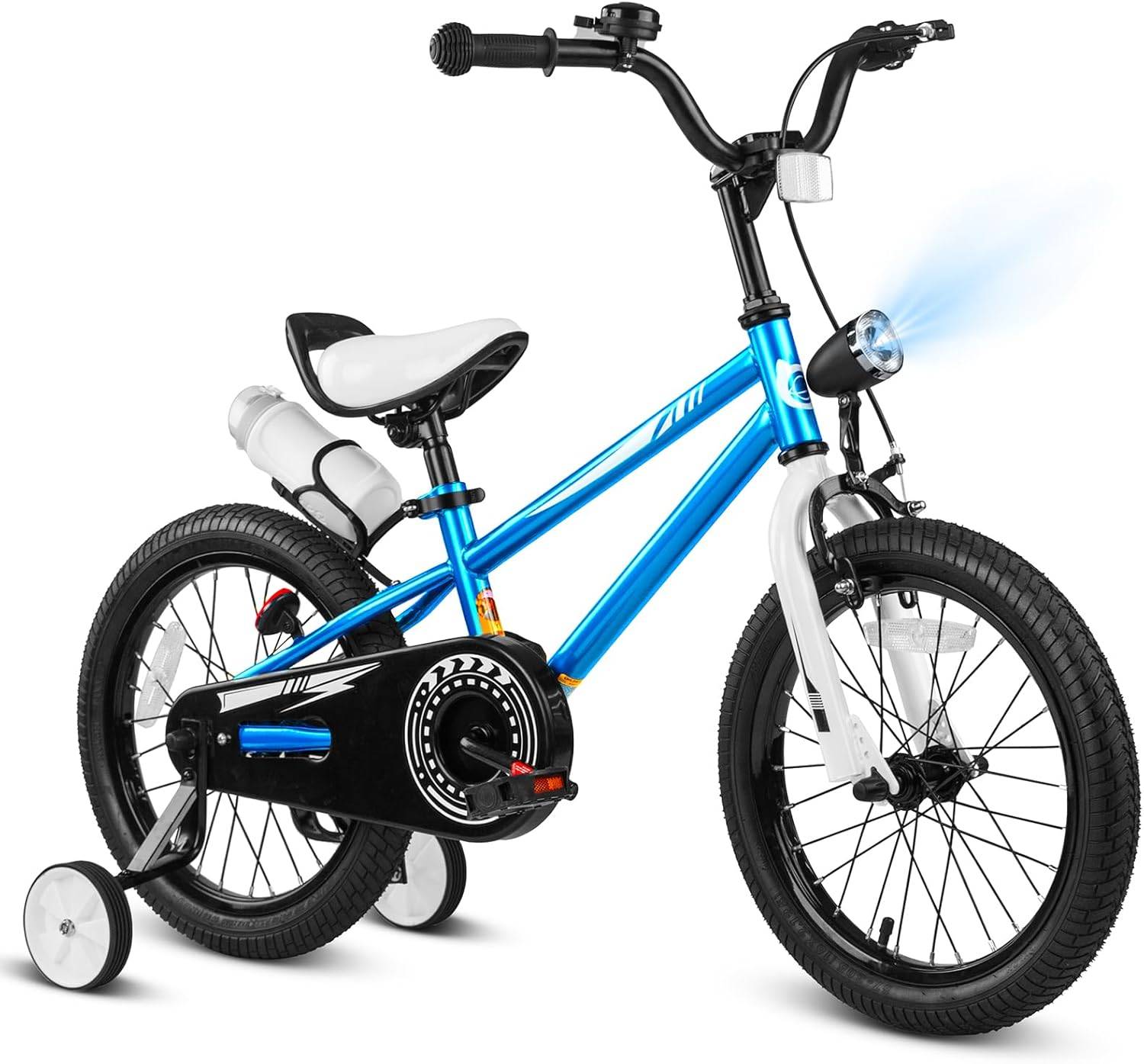 XJD Boys 12/14/16" Training Wheel Bike – Blue
This blue Training Wheel Bikes model is available in 12 Inch, 14 Inch and 16 Inch labels; use those choices as starting points before a hands-on fit and control check.
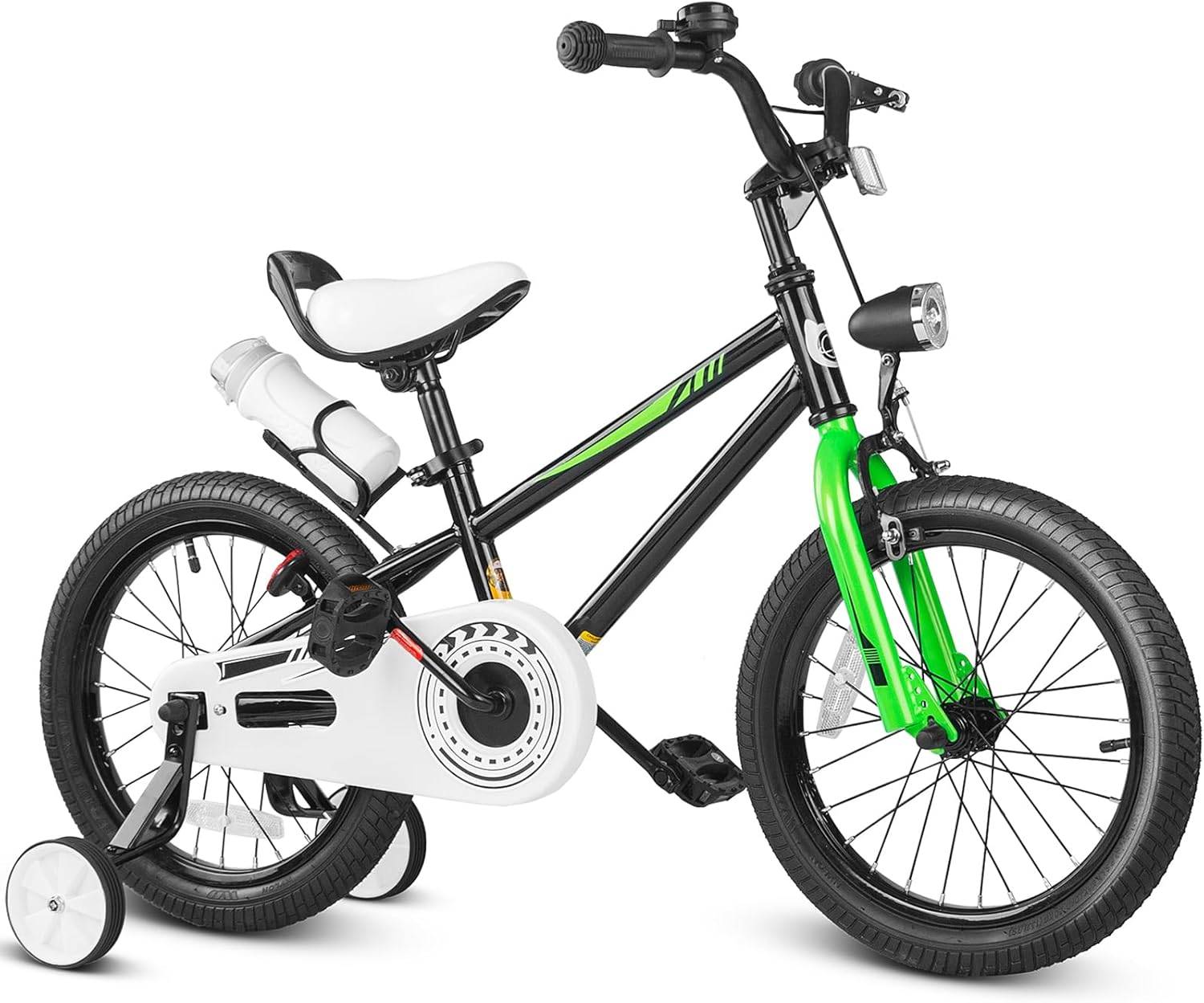 Black XJD Kids Bike for Boys – 12, 14 & 16 Inch Sizes
Offered in the Training Wheel Bikes category with 12 Inch, 14 Inch and 16 Inch sizes, this model is relevant when the rider’s measurements indicate one of those ranges.
Blue XJD Girls Bike with Training Wheels – 12/14/16 Inch is listed in the Training Wheel Bikes category with 12 Inch, 14 Inch and 16 Inch options.
XJD Boys 12/14/16" Training Wheel Bike – Blue is another Training Wheel Bikes listing with the same three available size labels: 12 Inch, 14 Inch and 16 Inch.
Black XJD Kids Bike for Boys – 12, 14 & 16 Inch Sizes also provides 12 Inch, 14 Inch and 16 Inch choices in this category.
Because the supplied size choices are identical, use measured fit to choose among the size labels; the catalog facts do not support ranking one product over another. Consult each exact product manual for assembly, adjustment, maintenance, compatibility, load limits and torque information. If anything is unclear, use a qualified bicycle mechanic.
Complete a hands-on check
- Match measured height to the XBikes starting ranges, then shortlist the plausible wheel sizes.
- Have the child try each shortlisted size rather than ordering from age alone.
- Compare stand-over clearance, seated reach, steering control, brake reach and the child’s present confidence.
- Reject any option that requires stretching, compromises control or is being chosen mainly for future growth.
- Use close adult supervision in a suitable riding area while the child becomes familiar with starting, steering and stopping.
A bicycle helmet is essential: choose one that fits properly, sits level and has straps adjusted according to the helmet manufacturer’s instructions.
Make the age-specific decision
For many children, age 3 is the earliest practical point to consider a 12 Inch or, where measurements and hands-on fit support it, a 14 Inch training-wheel bike. Ages 4 to 6 overlap several starting ranges, so measurements and control become especially important. A 16 Inch option begins at age 4 in the XBikes guide but should be rejected if the child does not fit and control it comfortably.
Your next step is simple: measure height and inseam today, shortlist the matching 12, 14 or 16 Inch range, and let the child try the bike. Choose training wheels only when the correctly fitted rider still needs support for balance—not merely because they have reached a particular age.
Recommended products
-
Save 15%
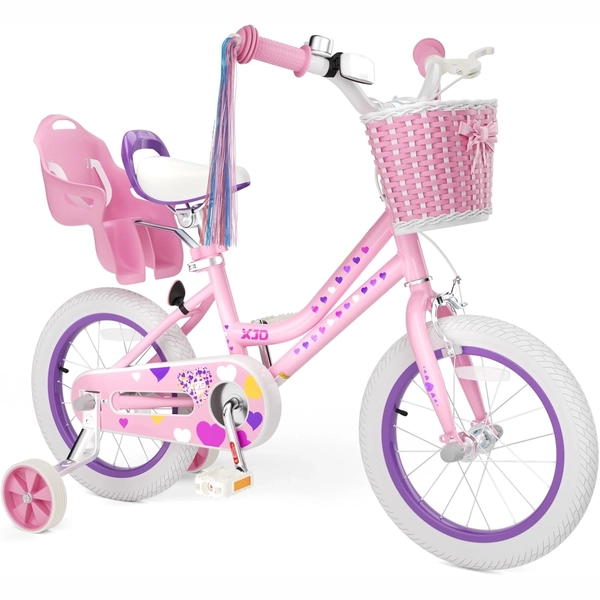
Light Pink XJD Girls' Bicycle with Basket & Training Wheels
The Light Pink XJD Girls' Bicycle with Basket & Training Wheels is a retro-style…
Training Wheel Bikes Wheel Size 12 Inch / 14 Inch / 16 Inch / 20 Inch Recommended Height 86–152 cm Training Wheels Yes Geared 14 Inch -
Save 15%
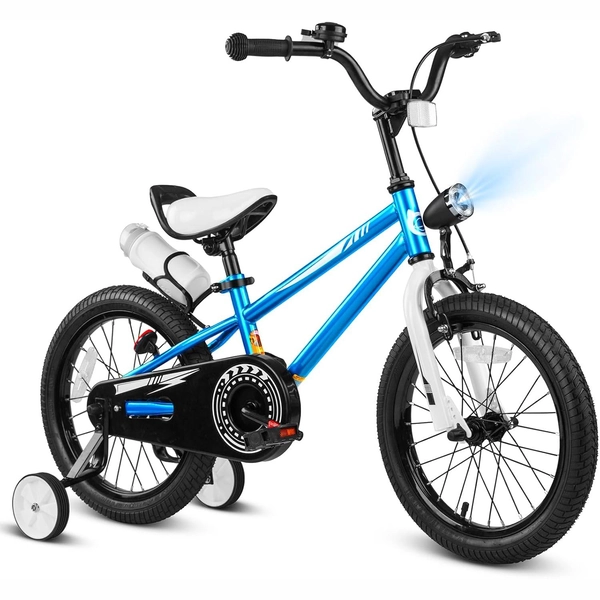
XJD Boys 12/14/16" Training Wheel Bike – Blue
The XJD Boys Bike in Blue is a training wheel bike for riders 71–122 cm tall—rou…
Training Wheel Bikes Wheel Size 12 Inch / 14 Inch / 16 Inch Recommended Height 86–122 cm Training Wheels Yes 16 Inch -
Save 24%
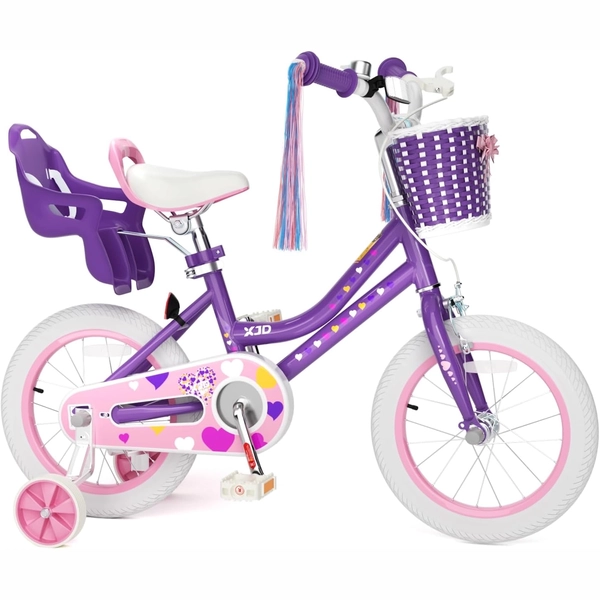
Purple XJD Girls' Bike with Doll Seat & Basket
For girls 71–122 cm tall (about ages 3–7), this XJD girls' bike in Purple pairs …
Training Wheel Bikes Wheel Size 12 Inch / 14 Inch / 16 Inch Recommended Height 86–122 cm Training Wheels Yes Geared 12 Inch -
Save 24%
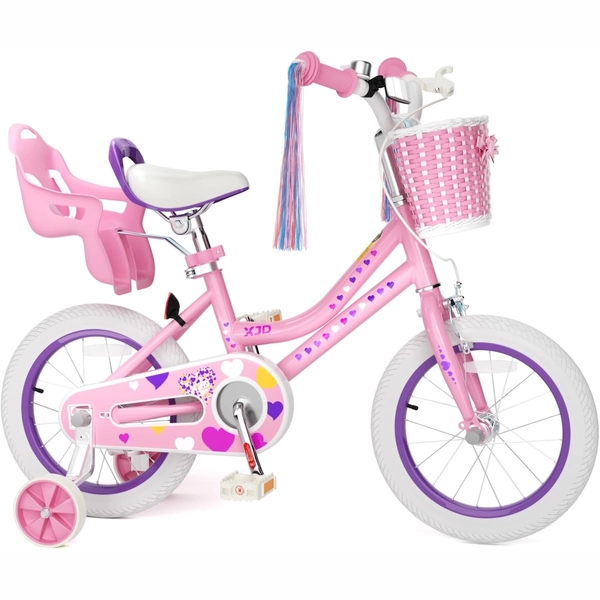
Pink Girls' 12/14/16" Bike by XJD – Basket & Doll Seat
The XJD Pink Girls' Bike with Basket & Doll Seat is made for riders 71–122 cm ta…
Training Wheel Bikes Wheel Size 12 Inch / 14 Inch / 16 Inch Recommended Height 86–122 cm Training Wheels Yes Geared 12 Inch