What age should kids ride a bike without training wheels
There is no single correct age to ride without training wheels. A child is ready when the bike fits, they can balance and steer, and they can start, stop and brake with control.
Use readiness, not a birthday
The XBikes age ranges are starting points for choosing a wheel size, not deadlines for removing training wheels. Children develop balance, coordination and confidence at different rates. One child may be ready while another child of the same age still benefits from more supported practice.
Look for a repeatable set of skills. The child should be able to sit comfortably, hold a straight course, steer around a gentle obstacle, look ahead rather than down, and stop when asked. They should also want to try. Pressure or fear can make it harder to learn, even when the physical skills are present.
Measure fit before removing the wheels
Measure the child’s height and inseam without shoes, then have them try the actual bicycle. Height helps identify a starting wheel size; inseam helps you judge whether they can stand over the bike and reach the ground securely. Check that the child can reach the handlebar without stretching or locking their elbows.
While the child is seated, confirm that they can operate the brakes with their hands in a normal riding position. They should be able to steer fully without losing balance or shifting awkwardly. Do not buy or use an oversized bicycle merely to allow room for growth. A larger bike can make starting, stopping and recovering balance more difficult.
Compare the relevant wheel-size starting points
| Wheel size | XBikes age starting point | Rider-height starting point |
|---|---|---|
| 12 Inch | Ages 3–4 | 34–40 in / 86–102 cm |
| 14 Inch | Ages 3–6 | 37–45 in / 94–114 cm |
| 16 Inch | Ages 4–7 | 40–48 in / 102–122 cm |
Where ranges overlap, do not choose by age alone. Compare the child’s measured height, inseam, reach, brake control and current confidence on each candidate. A wheel-size range cannot confirm that a particular frame fits an individual rider.
How to test readiness safely
- Choose a flat, open practice area away from traffic, slopes and obstacles.
- Fit a bicycle helmet so it sits level and secure, using its straps according to the helmet manufacturer’s instructions.
- Have the child practise starting, looking ahead, steering and stopping while support is still available.
- Briefly reduce support only when the child remains relaxed and keeps the bike upright through their own balance.
- Restore support or pause if they cannot stop predictably, repeatedly tip to one side, cannot reach the controls, or become frightened.
Training wheels should not compensate for poor fit. If the child cannot stand over the bicycle appropriately, control its direction or reach and operate its brakes, correct the fit or choose another bicycle before continuing.
Where the supplied bike is relevant
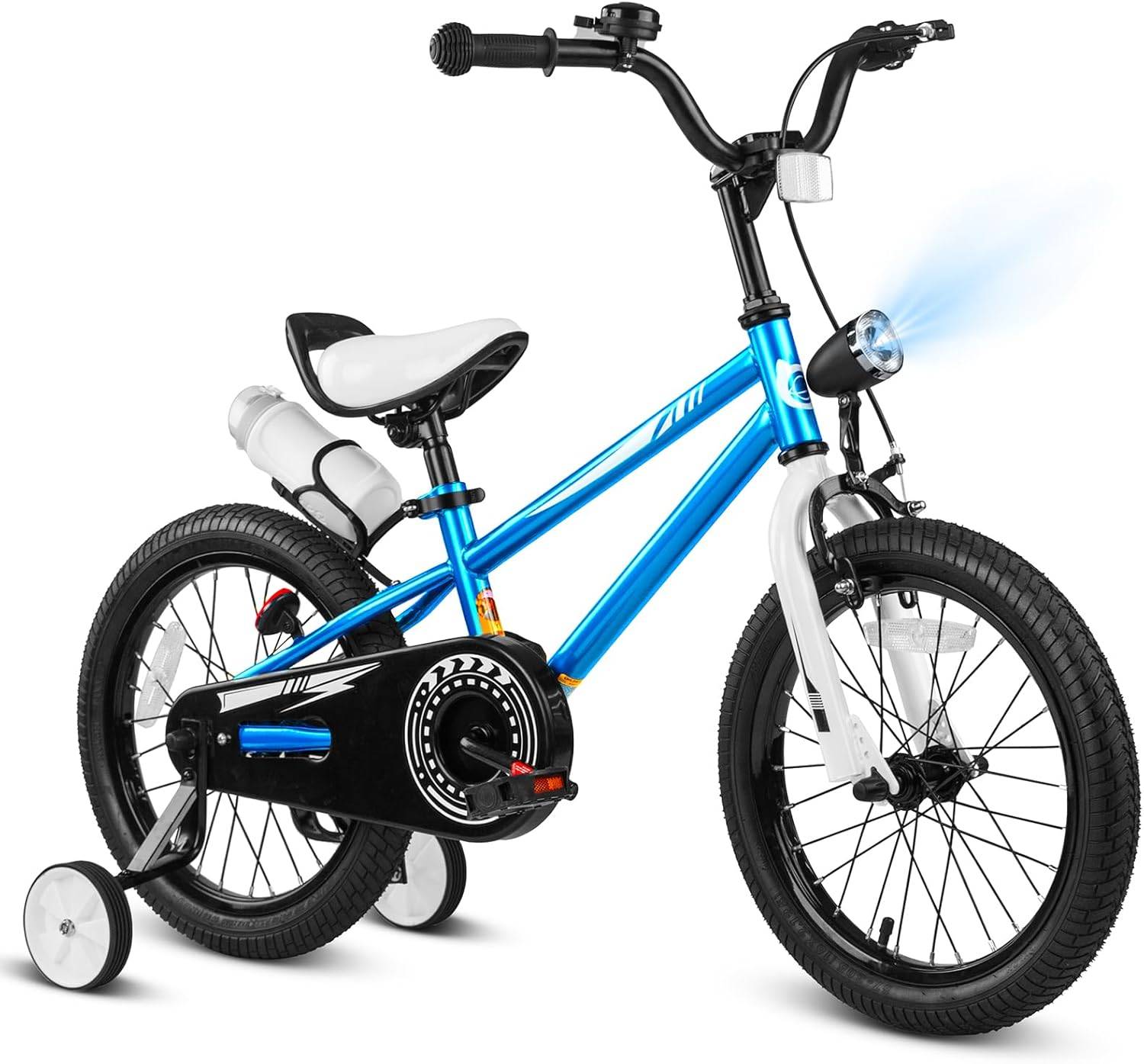
The XJD Boys 12/14/16" Training Wheel Bike – Blue is relevant because its available 12 Inch, 14 Inch and 16 Inch labels let parents compare three wheel-size starting points associated with the early learning years. Those labels do not establish readiness to ride independently; the child still needs an individual fit and control check.
These particular catalog options help answer the question by showing that age bands overlap across wheel sizes. They are useful candidates only when the rider’s measurements and actual-bike check support the selected size.
If assembly, adjustment, compatibility, maintenance or torque information is needed, follow the exact product manual or ask a qualified bicycle mechanic. Do not guess at an adjustment that affects control.
Decide what to do next
Remove the training wheels for a short supervised trial only after the child fits the bicycle, reaches and operates the brakes, steers deliberately, starts with manageable help and stops on command. If one of those checks fails, keep practising with appropriate support and reassess later. The right time is the first point at which fit, control, balance and confidence are all present—not a particular birthday.
Recommended products
-
Save 13%
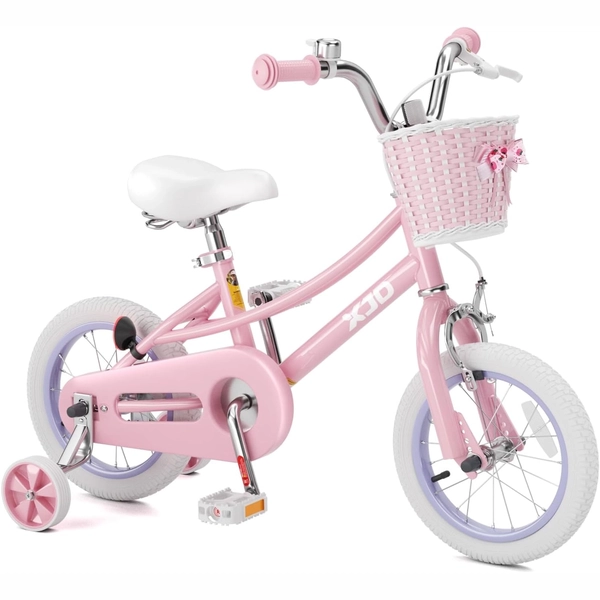
Pink 12/14/16/20" XJD Girls Bike with Training Wheels & Basket
The Pink XJD Girls Bike with Training Wheels & Basket is a first-bike pick f…
Training Wheel Bikes Wheel Size 12 Inch / 14 Inch / 16 Inch / 20 Inch Recommended Height 86–152 cm Training Wheels Yes Single Speed 12 Inch -
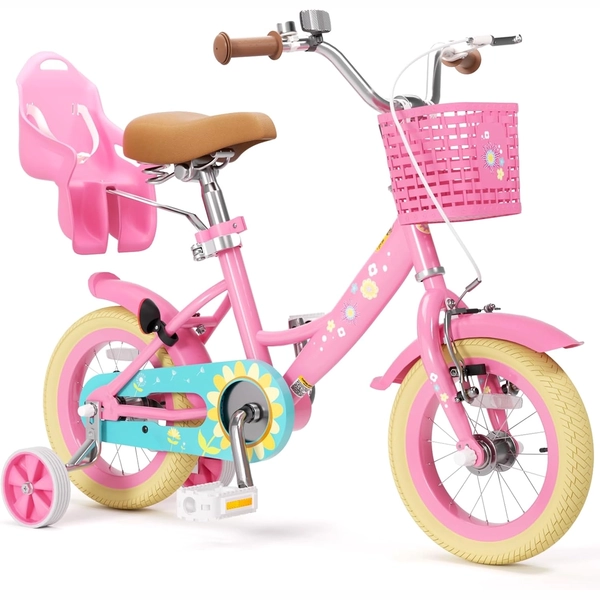
Flower Pink XJD Girls Bike with Doll Seat & Basket
The XJD Flower Pink girls' bike is made for riders 71–122 cm tall (roughly ages …
Training Wheel Bikes Wheel Size 12 Inch / 14 Inch / 16 Inch Recommended Height 86–122 cm Training Wheels Yes Geared 12 Inch -
Save 16%
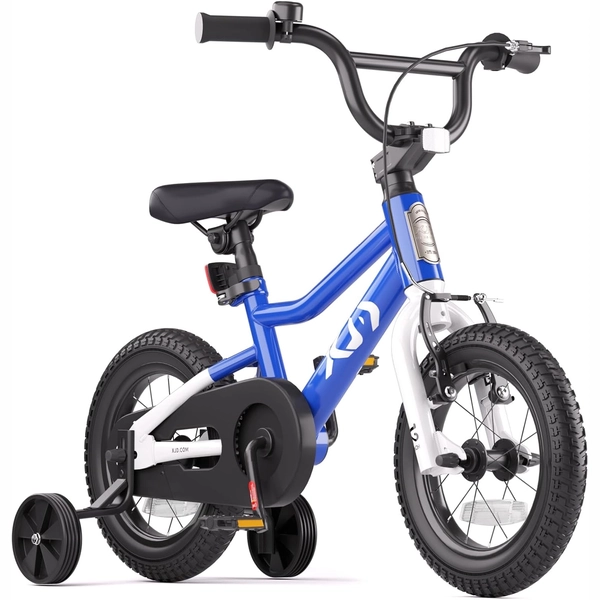
XJD Boys & Girls BMX Bike with Training Wheels, 12/14/16" – Blue
The XJD Boys & Girls BMX Bike in Blue is a first pedal bike for kids roughly age…
Kids' BMX Bikes Wheel Size 12 Inch / 14 Inch / 16 Inch Recommended Height 86–122 cm Training Wheels Yes Single Speed 12 Inch -
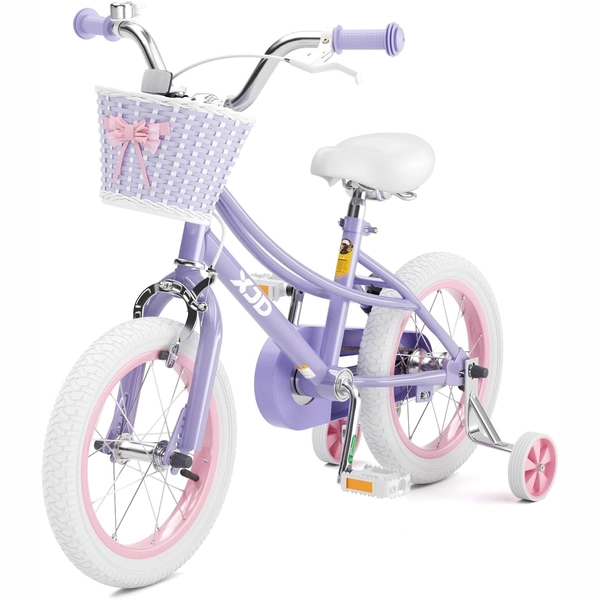
Girls' Training Wheel Bike by XJD with Basket – Purple
If you're shopping for a first bike for a girl roughly 3 to 12 years old (91–152…
Training Wheel Bikes Wheel Size 14 Inch / 16 Inch / 20 Inch Recommended Height 94–152 cm Training Wheels Yes Single Speed 14 Inch