When can kids ride a bike without training wheels
Kids can ride without training wheels when they can balance, steer, stop and start with control on a correctly fitted bike—not at a fixed age.
Use skills, not birthdays, as the deciding test
A child is ready to try two wheels when they can keep the bike upright without leaning on the training wheels, look ahead while steering, and stop when asked. They should also understand simple directions and be willing to practise. Hesitation is a reason to slow down, not to push harder.
Watch the training wheels on a smooth, open practice area. If they rarely touch down while the child rides straight, turns both ways and stops under control, the child may be ready for a supervised attempt without them. If the child depends on either wheel through most turns, continue practising balance and steering.
Measure fit before removing the wheels
Measure the child's standing height and inseam, then have them try the actual bicycle. Height narrows the likely wheel size; inseam, reach, brake control and confidence determine whether that particular bike works. The child should be able to stand over the bike appropriately, reach the controls without stretching and operate the brakes reliably.
| Wheel size | XBikes starting age | Rider height |
|---|---|---|
| 12 Inch | 3–4 | 34–40 in / 86–102 cm |
| 14 Inch | 3–6 | 37–45 in / 94–114 cm |
| 16 Inch | 4–7 | 40–48 in / 102–122 cm |
These ranges are starting points, not permission to skip a fit check. Overlapping ages and heights are normal. American Academy of Pediatrics guidance supports having the child try the bicycle and avoiding an oversized bike bought for future growth.
Run a short readiness check
- Balance: Can the child travel straight while the training wheels remain mostly clear of the ground?
- Steering: Can they look ahead, avoid a marker and turn in both directions without abruptly tipping?
- Stopping: Can they use the bicycle's controls to stop promptly and predictably?
- Starting: Can they begin moving with only light help rather than needing an adult to hold the bike throughout?
- Fit and confidence: Can they reach the controls, manage the bike and agree to try without visible distress?
If any answer is no, keep the training wheels for now or practise the missing skill in a traffic-free area. Readiness can change quickly, so repeat the check later rather than assigning a deadline.
How the supplied bikes help with the decision
The three catalog options are relevant because each is a training-wheel bike offered in 12 Inch, 14 Inch and 16 Inch labels. They let parents compare the child's measured height with the same wheel-size starting points while considering a familiar training-wheel format. The supplied facts do not establish whether or how the training wheels can be removed, so confirm that in the exact product manual or with a qualified bicycle mechanic.
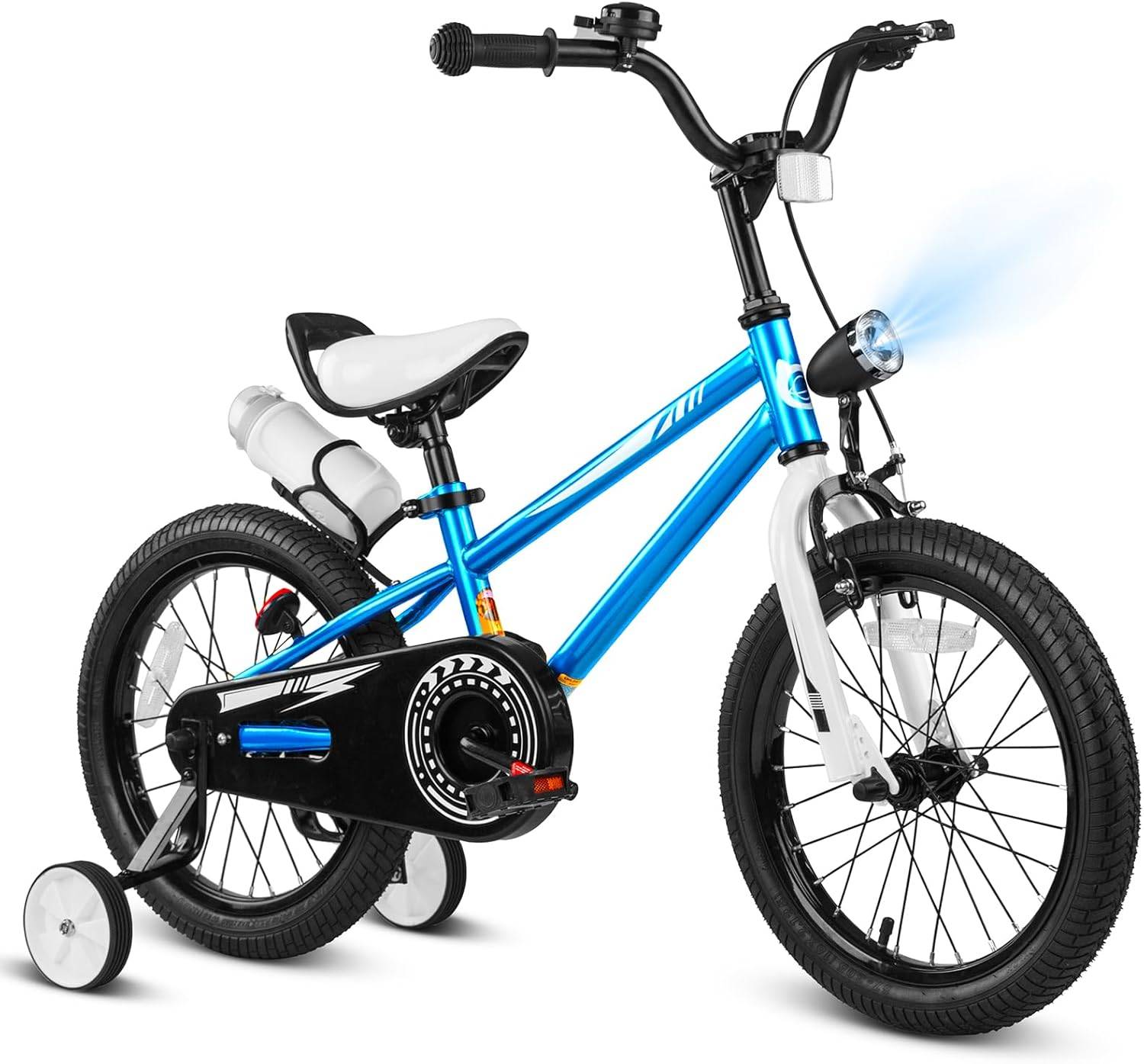 XJD Boys 12/14/16" Training Wheel Bike – Blue
A blue training-wheel bike available in 12 Inch, 14 Inch and 16 Inch labels, making it relevant for comparison against the supplied height starting points and an individual fit check.
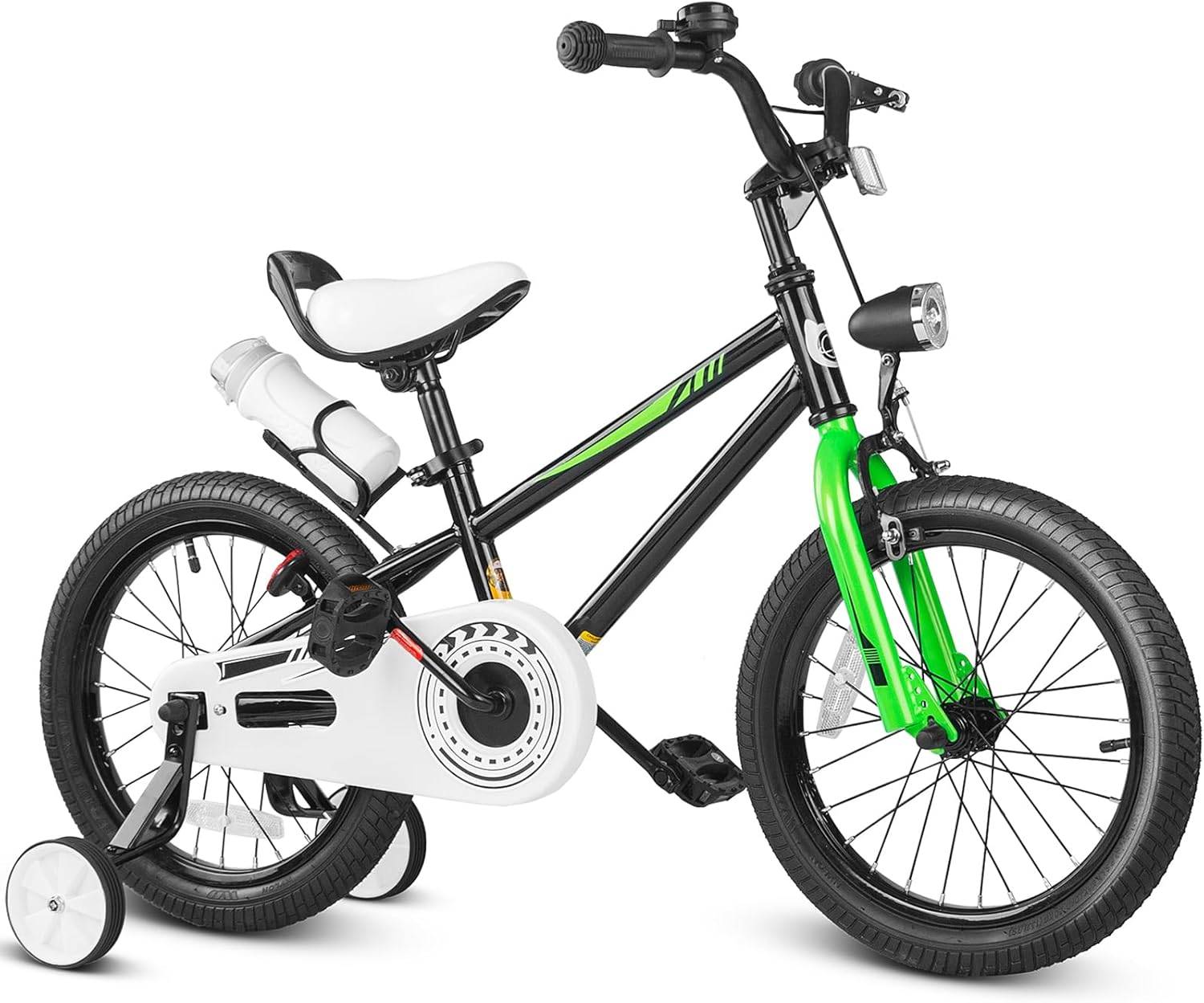 Black XJD Kids Bike for Boys – 12, 14 & 16 Inch Sizes
This black training-wheel bike is offered in 12 Inch, 14 Inch and 16 Inch sizes. Choose among them by measured height, inseam, control reach and confidence rather than title wording alone.
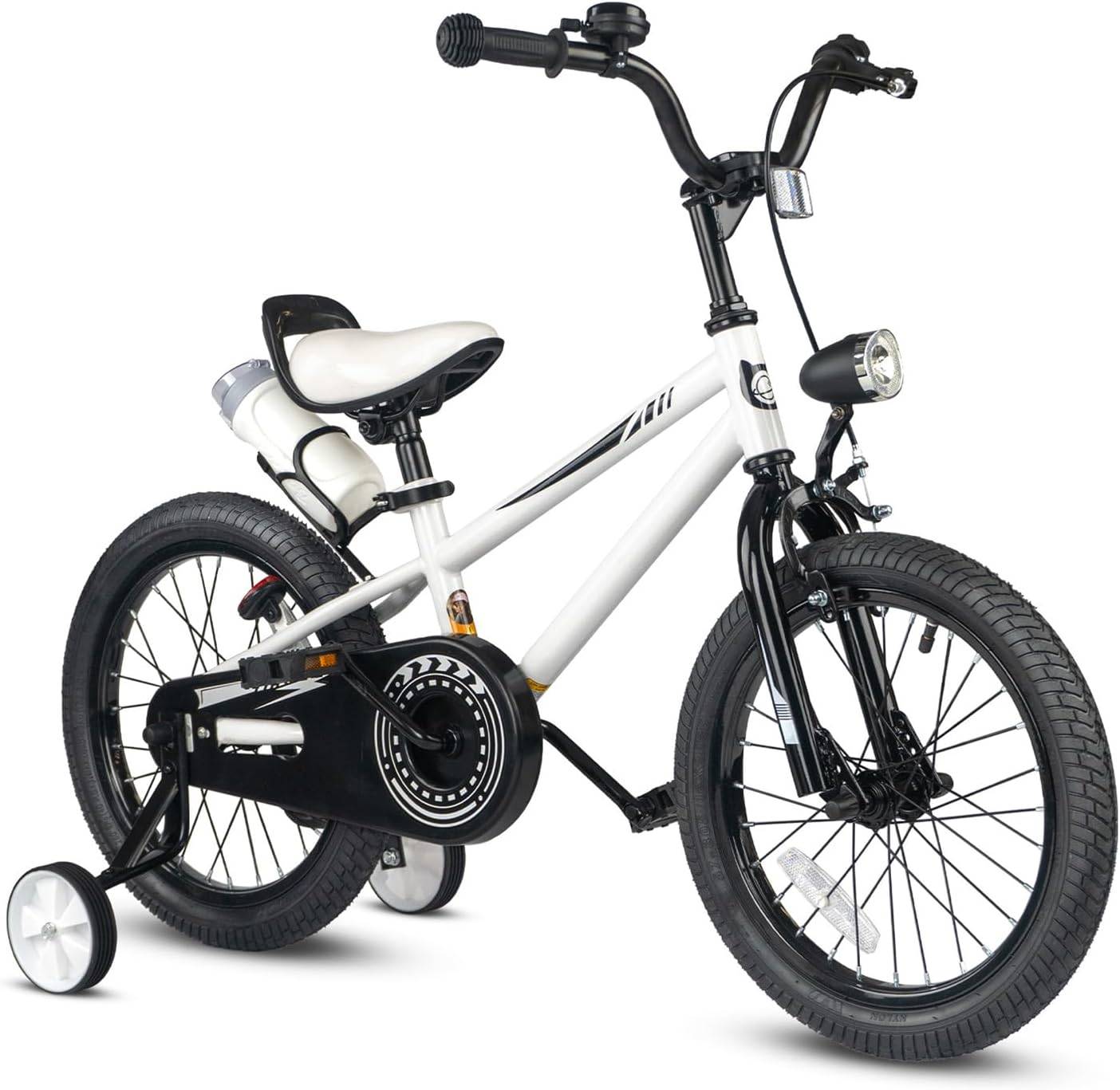 XJD Kids' Training Wheel Bike for Boys & Girls, 12/14/16 Inch – White
A white training-wheel bike with supplied 12 Inch, 14 Inch and 16 Inch options. It is relevant while learning, but wheel-removal compatibility must be confirmed in the exact product manual.
XJD Boys 12/14/16" Training Wheel Bike – Blue offers 12 Inch, 14 Inch and 16 Inch choices. Black XJD Kids Bike for Boys – 12, 14 & 16 Inch Sizes has the same supplied size labels in black. XJD Kids' Training Wheel Bike for Boys & Girls, 12/14/16 Inch – White also provides those three size choices in white.
On the available facts, the meaningful comparison is size label and the title's stated color or wording. Do not infer differences in brakes, materials, weight, load limits, assembly or compatibility. Check the exact manual for those details and for any adjustment or removal procedure.
Make the first two-wheel attempt controlled
Choose a flat, open place away from traffic and obstacles. Fit a bicycle helmet so it sits level and secure its straps according to the helmet manufacturer's instructions, consistent with U.S. Consumer Product Safety Commission guidance. An adult should stay close enough to assist without continually holding the bike upright.
Keep the attempt brief. Return to supported practice if the child cannot start, repeatedly tips during straight riding, forgets to steer while looking ahead or cannot stop on request. Do not solve those problems by moving to an oversized bicycle.
Decide what to do next
Remove the training wheels only after the child passes the balance, steering, starting and stopping checks on a bike that fits now—and only by the procedure permitted in that bike's manual. If the child still relies on the wheels or cannot reach and operate the controls, keep practising or correct the fit before trying two wheels again.
Recommended products
-
Save 13%
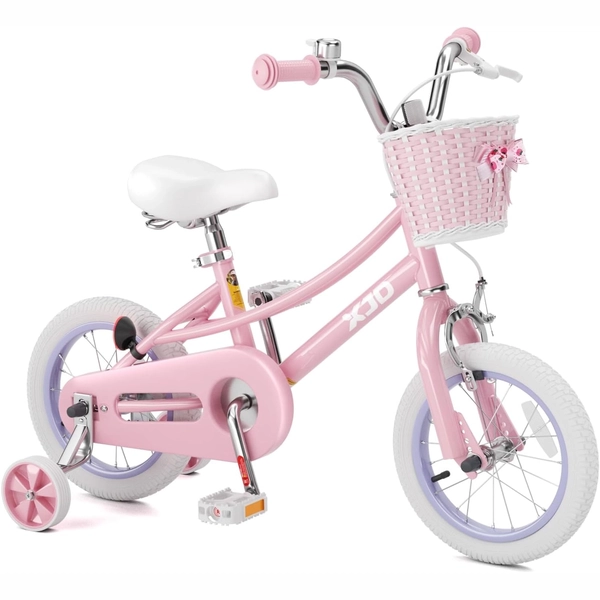
Pink 12/14/16/20" XJD Girls Bike with Training Wheels & Basket
The Pink XJD Girls Bike with Training Wheels & Basket is a first-bike pick f…
Training Wheel Bikes Wheel Size 12 Inch / 14 Inch / 16 Inch / 20 Inch Recommended Height 86–152 cm Training Wheels Yes Single Speed 12 Inch -
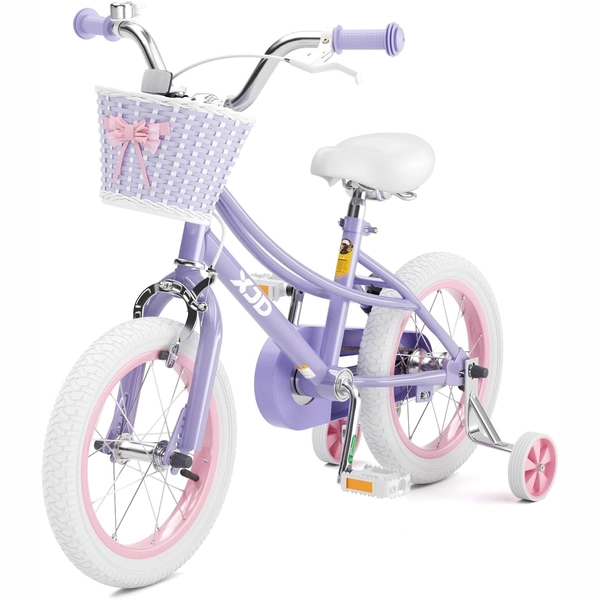
Girls' Training Wheel Bike by XJD with Basket – Purple
If you're shopping for a first bike for a girl roughly 3 to 12 years old (91–152…
Training Wheel Bikes Wheel Size 14 Inch / 16 Inch / 20 Inch Recommended Height 94–152 cm Training Wheels Yes Single Speed 14 Inch -
Save 11%
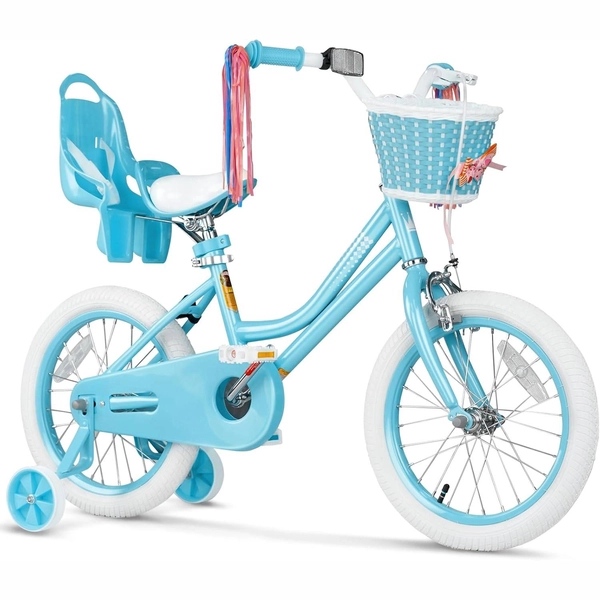
Blue XJD Girls Bike with Training Wheels – 12/14/16 Inch
If you're shopping for a first pedal bike for a daughter roughly 3 to 8 years ol…
Training Wheel Bikes Wheel Size 12 Inch / 14 Inch / 16 Inch Recommended Height 86–122 cm Training Wheels Yes 16 Inch -
Save 15%
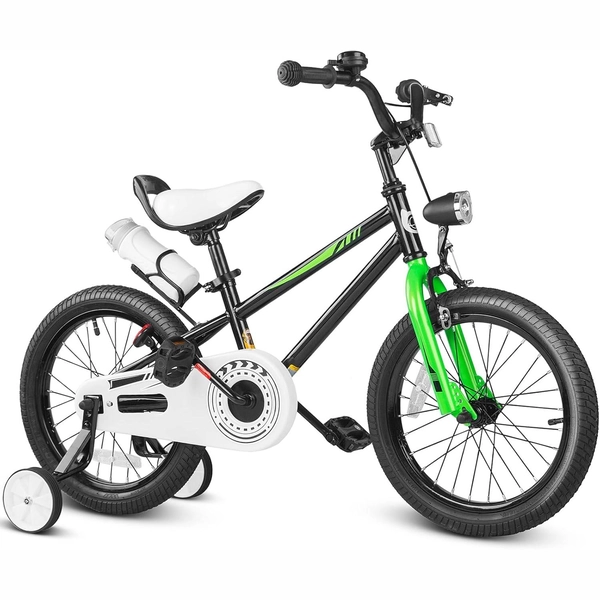
Black XJD Kids Bike for Boys – 12, 14 & 16 Inch Sizes
For a son between roughly 3 and 8 years old, the XJD Kids Bike in Black covers t…
Training Wheel Bikes Wheel Size 12 Inch / 14 Inch / 16 Inch Recommended Height 86–122 cm Training Wheels Yes 12 Inch