When can kids ride bike with training wheels
Kids can ride a bike with training wheels when the bicycle fits their measured body, they can reach and control the brakes, and they are confident enough to start, stop and steer with close adult supervision. Age is only a starting point.
When is a child ready?
Readiness depends on fit and control rather than a particular birthday. Before riding, the child should be willing to sit on the bike, look ahead, hold a line while steering and respond to simple instructions. They should be able to start and stop without becoming overwhelmed.
Training wheels provide lateral support at low speeds, but they do not correct a bike that is too large or eliminate falls. Begin in a flat, open area away from traffic, slopes, obstacles and other riders. Stay close enough to intervene while the child learns how the bicycle responds.
Measure before choosing a wheel size
Measure the child’s height without shoes. Also measure inseam from the floor to the crotch while the child stands straight with feet slightly apart. Height provides a useful comparison with the XBikes starting points; inseam must then be checked against the actual bicycle’s stand-over clearance and seat adjustment.
Have the child try the exact bike. They need comfortable stand-over room, a natural reach to the handlebar and reliable access to every brake control. Reject a size if the child must stretch, lean awkwardly or lose control while reaching the brakes. Do not buy an oversized bicycle merely to allow room for growth.
Compare height with XBikes starting points
| Wheel size | Starting age | Rider height |
|---|---|---|
| 12 Inch | 3–4 | 34–40 in / 86–102 cm |
| 14 Inch | 3–6 | 37–45 in / 94–114 cm |
| 16 Inch | 4–7 | 40–48 in / 102–122 cm |
| 18 Inch | 5–9 | 43–52 in / 109–132 cm |
| 20 Inch | 7–12 | 48–60 in / 122–152 cm |
| 24 Inch | 10–14 | 54–64 in / 137–163 cm |
| 26 Inch | Youth and adults | Over 60 in / 153 cm |
Where ranges overlap, do not select by age or height alone. Compare both candidate sizes in person. The better match is the one that gives the child manageable stand-over clearance, comfortable reach, dependable brake operation and more confident control. Follow the exact bicycle manual for adjustment limits, assembly and training-wheel setup; use a qualified bicycle mechanic when those instructions are unavailable or unclear.
How the supplied bike helps with the comparison
The Black XJD Kids Bike for Boys – 12, 14 & 16 Inch Sizes is relevant because its supplied size labels cover three common training-wheel-bike starting points: 12 Inch, 14 Inch and 16 Inch. Those options let a parent compare the child’s measured height with adjacent ranges, then require an individual fit check before choosing.
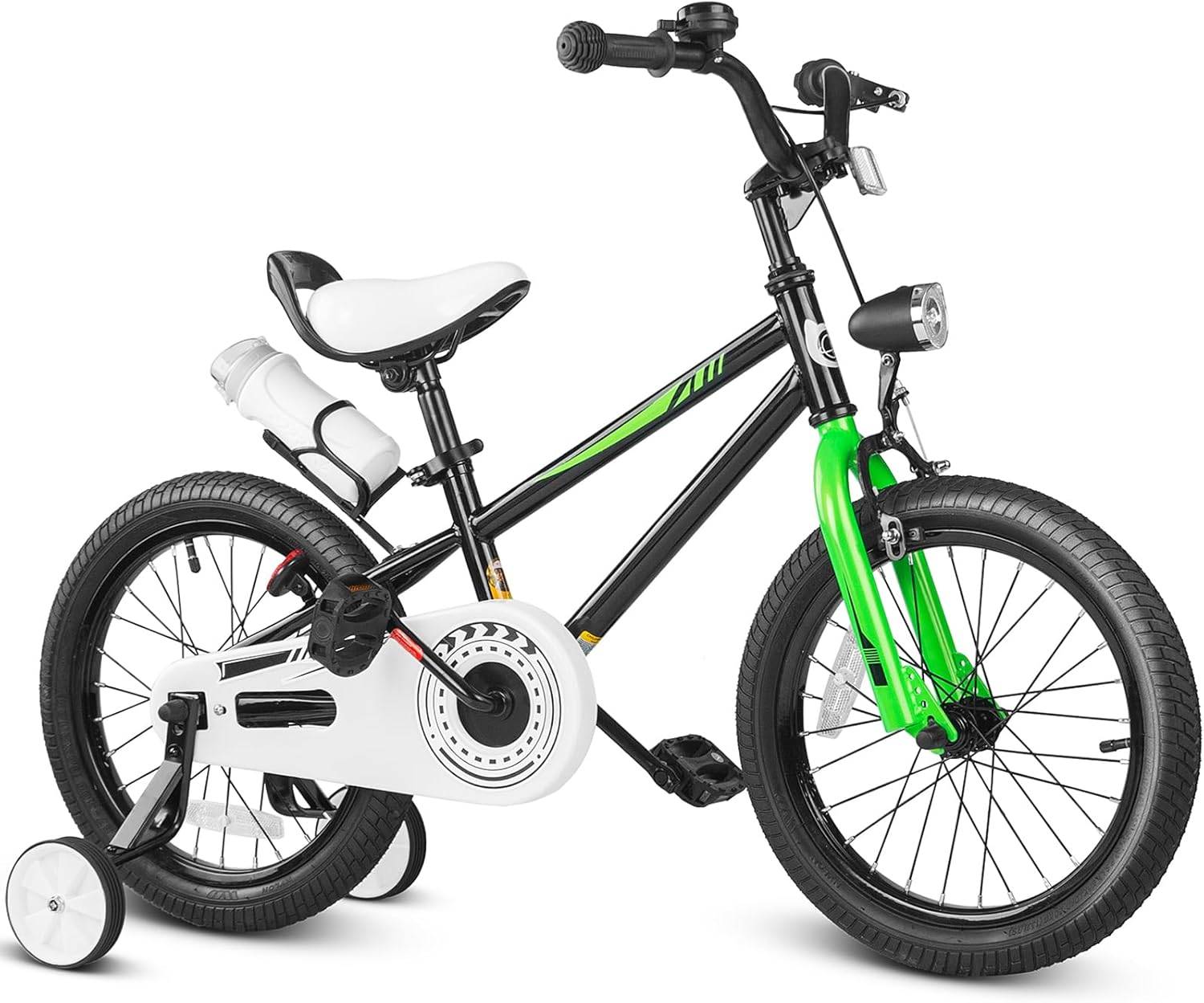
The catalog facts do not establish component specifications, brake type, included accessories, assembly details, load limits or whether training wheels fit every configuration. Confirm those points in the exact product listing and manual rather than assuming them from the category or title. If the child measures beyond these three size ranges, this product is not a substitute for an appropriately fitted 18 Inch or larger bicycle.
Make a short control check
With the bicycle stationary and supported by an adult, ask the child to sit in the normal riding position. Check the following before the first ride:
- The child can mount and dismount without being trapped by the frame.
- The handlebar is reachable without locked elbows or an extreme forward lean.
- Every fitted brake control can be reached and operated deliberately.
- The child can place their feet as directed by the bike’s manual and feels stable.
- Steering turns smoothly without the child’s knees or body interfering.
If any check fails, adjustment may help only within the limits stated in the manual. Otherwise, compare another size. A child who fits physically but freezes, cannot follow stopping instructions or resists riding should wait and try again later.
Prepare for the first ride
Use a properly fitting bicycle helmet. It should sit level and be secured with its straps according to the helmet manufacturer’s instructions. Choose a dry, level practice space, check the riding area for hazards and supervise continuously.
Start with brief practice: mounting, looking ahead, steering a gentle path, braking on command and stopping under control. Increase distance only when the child repeats these actions calmly. If the bike tips excessively, pulls to one side or its training-wheel arrangement seems incorrect, stop using it and consult the product manual or a qualified bicycle mechanic.
The practical answer is simple: measure height and inseam today, compare the relevant wheel-size ranges, and let the child try the exact bicycle. Ride now only if stand-over, reach, brake control and confidence all work together; otherwise adjust within the manual’s limits, choose another size or wait.
Recommended products
-
Save 16%
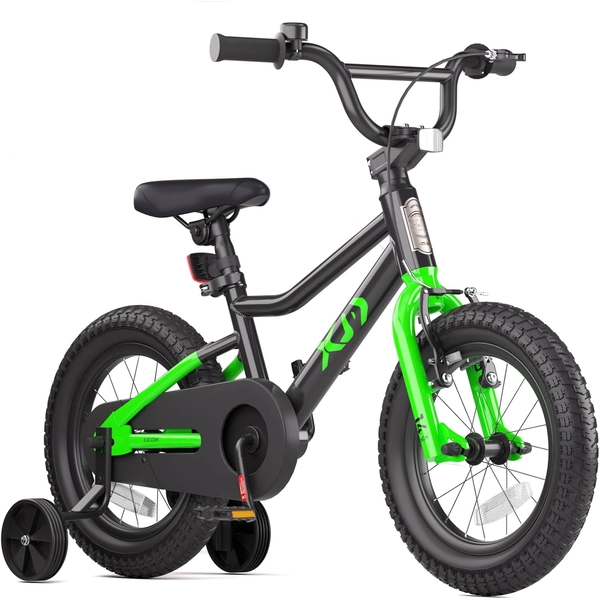
Black XJD Kids' BMX Bicycle with Training Wheels
The XJD Kids' BMX Bicycle with Training Wheels is built for children roughly 3 t…
Kids' BMX Bikes Wheel Size 12 Inch / 14 Inch / 16 Inch Recommended Height 86–122 cm Training Wheels Yes Single Speed 12 Inch -
Save 11%
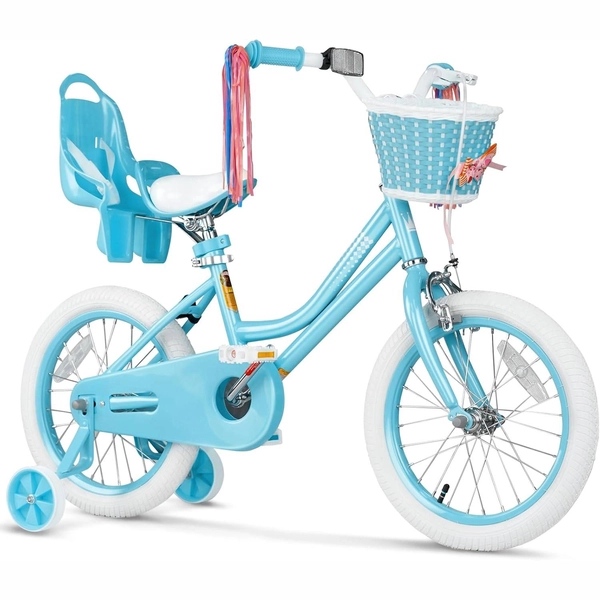
Blue XJD Girls Bike with Training Wheels – 12/14/16 Inch
If you're shopping for a first pedal bike for a daughter roughly 3 to 8 years ol…
Training Wheel Bikes Wheel Size 12 Inch / 14 Inch / 16 Inch Recommended Height 86–122 cm Training Wheels Yes 16 Inch -
Save 13%
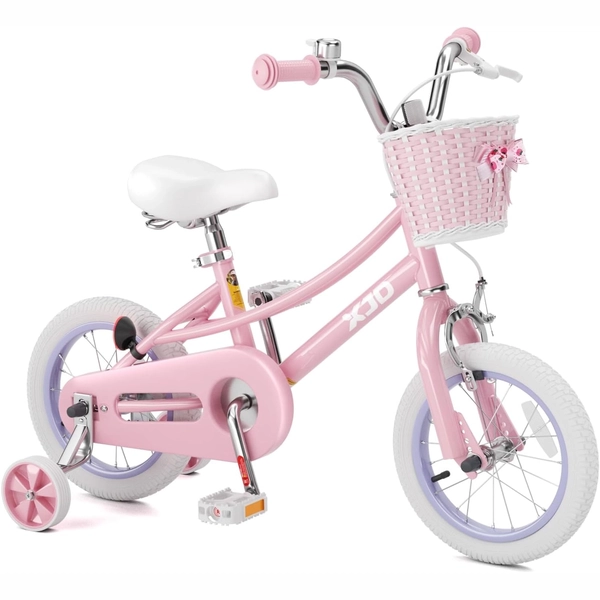
Pink 12/14/16/20" XJD Girls Bike with Training Wheels & Basket
The Pink XJD Girls Bike with Training Wheels & Basket is a first-bike pick f…
Training Wheel Bikes Wheel Size 12 Inch / 14 Inch / 16 Inch / 20 Inch Recommended Height 86–152 cm Training Wheels Yes Single Speed 12 Inch -
Save 12%
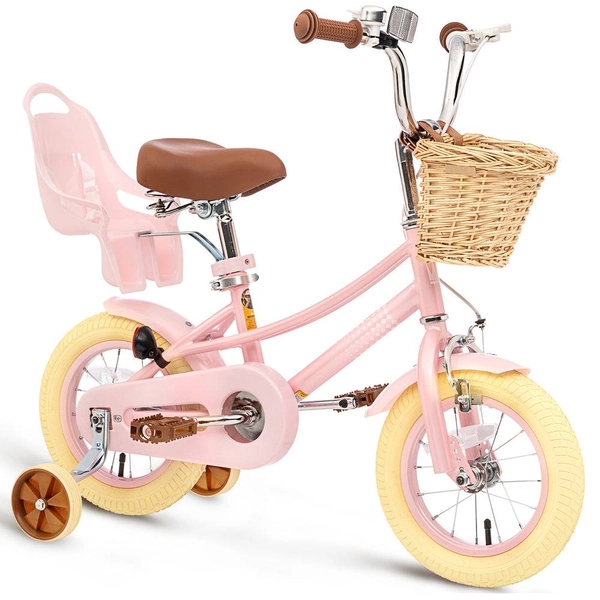
XJD Kids Bike for Girls – Pink, 12/14/16/20 Inch with Training Wheels
The XJD Kids Bike for Girls in Pink is a training-wheel bike built to carry your…
Training Wheel Bikes Wheel Size 12 Inch / 14 Inch / 16 Inch / 20 Inch Recommended Height 86–152 cm Training Wheels Yes 12 Inch