When can kids ride bike without training wheels
Most kids can ride without training wheels when they can balance, steer, start, stop and use the brakes with control—not at one fixed age.
Readiness matters more than a birthday
A child is ready to try two wheels when the training wheels are doing little or no work. Watch on a flat, open practice area: can the rider travel straight without repeatedly leaning onto either stabilizer, look ahead while steering, and stop when asked?
Confidence also matters. Hesitation is normal, but a child who becomes distressed, freezes, or cannot follow simple stop instructions needs more supported practice. Removing training wheels early does not speed learning if the rider cannot yet balance or control the bicycle.
Measure fit before removing the wheels
Measure the child's height and inseam without shoes. Then have the child try the actual bicycle. Check that the rider can stand over it comfortably, reach the handlebars without stretching, turn them without losing position, and operate the brakes reliably. The American Academy of Pediatrics advises trying the bicycle and avoiding an oversized model bought for future growth.
Use these XBikes starting points for wheel size, then confirm fit on the individual bicycle:
| Wheel size | Starting age | Rider height |
|---|---|---|
| 12 Inch | 3–4 | 34–40 in / 86–102 cm |
| 14 Inch | 3–6 | 37–45 in / 94–114 cm |
| 16 Inch | 4–7 | 40–48 in / 102–122 cm |
| 18 Inch | 5–9 | 43–52 in / 109–132 cm |
| 20 Inch | 7–12 | 48–60 in / 122–152 cm |
| 24 Inch | 10–14 | 54–64 in / 137–163 cm |
| 26 Inch | Youth and adults over 60 in | Over 60 in / 153 cm |
Overlapping ranges are intentional: wheel diameter alone does not establish fit. Give measured height, inseam, reach, brake control and current confidence priority over age.
Use a simple readiness check
- Balance: The child can keep the bicycle upright without depending continuously on the training wheels.
- Steering: The child can hold a predictable line, make gentle turns and avoid looking down at the front wheel.
- Stopping: The child responds promptly to a stop cue and can use the bicycle's brakes without losing control.
- Starting: The rider understands how to set off and is willing to practice with close adult support.
- Fit: The child has comfortable stand-over clearance, an unstrained reach and dependable access to the brake controls.
If one of these is missing, keep the training wheels for now or work specifically on that skill. Follow the exact bicycle manual for adjustment or removal procedures; if the instructions are unavailable or the setup is uncertain, use a qualified bicycle mechanic.
How to make the first two-wheel attempt
Choose a level, traffic-free space with a smooth surface and plenty of stopping room. Fit a bicycle helmet so it sits level, fits properly, and has straps adjusted according to its manufacturer's instructions, as advised by the U.S. Consumer Product Safety Commission.
Begin with short sessions. Stay close enough to assist, but support the child rather than pulling the handlebars, which can interfere with steering. Ask the rider to look ahead, make controlled starts, and practice planned stops. End while concentration and confidence are still intact. Reinstalling or retaining training wheels after an unsuccessful attempt is a reasonable reset, not a failure.
Where the supplied training-wheel bikes fit
These catalog options are relevant when a child still needs stabilizers or when a parent is comparing available wheel-size labels against measured height. They do not determine readiness by themselves; the child must still try the bicycle and pass the fit and control checks above.
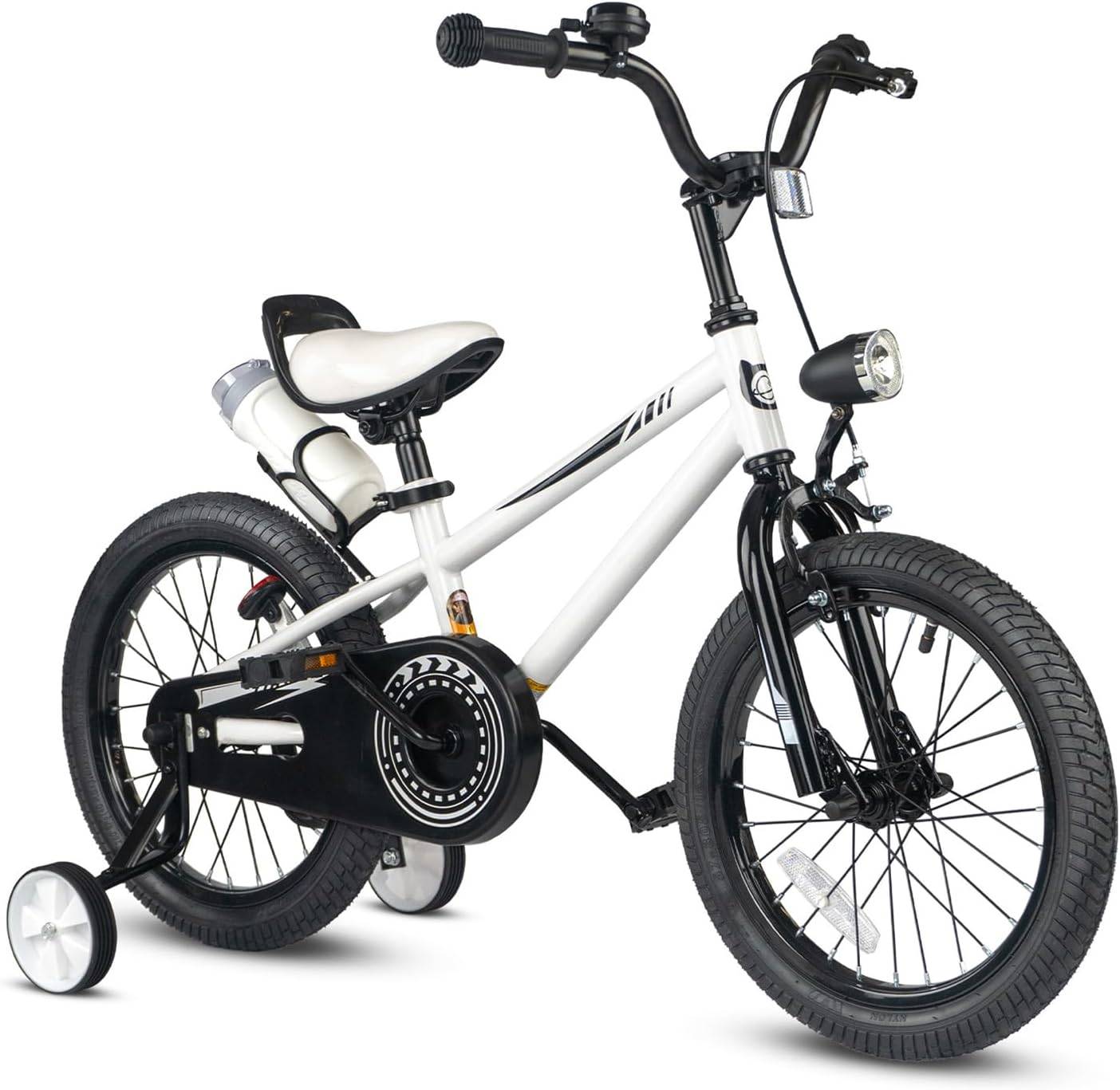 XJD Kids' Training Wheel Bike for Boys & Girls, 12/14/16 Inch – White
Available in 12 Inch, 14 Inch and 16 Inch labels, this training-wheel bike is relevant for comparing the rider’s measured height with XBikes starting points before completing an individual fit and control check.
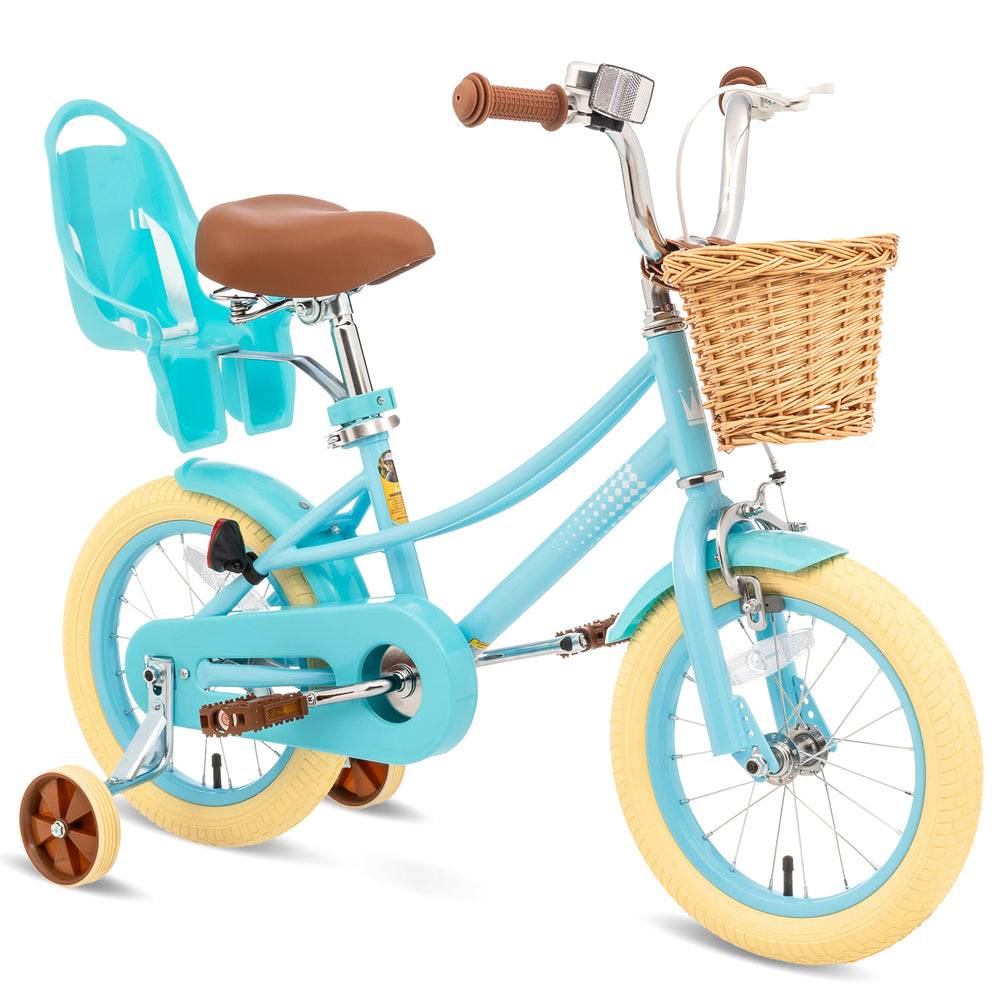 Girls' Training Wheel Bike by XJD, 12–20 Inch Wheels – Blue
Available in 12 Inch, 14 Inch, 16 Inch and 20 Inch labels, this training-wheel bike spans four supplied comparison sizes; measured height, stand-over, reach, brake control and confidence must still confirm suitability.
XJD Kids' Training Wheel Bike for Boys & Girls, 12/14/16 Inch – White is offered with 12 Inch, 14 Inch and 16 Inch labels. Compare the child's measured height with the corresponding XBikes starting range, then verify stand-over, reach and brake operation on the actual bicycle.
Girls' Training Wheel Bike by XJD, 12–20 Inch Wheels – Blue is offered with 12 Inch, 14 Inch, 16 Inch and 20 Inch labels. Its additional 20 Inch option provides a catalog comparison point for riders in the 48–60 in / 122–152 cm starting range, but age or wheel size alone does not confirm fit.
Neither supplied product lists an 18 Inch, 24 Inch or 26 Inch option, so they are not substitutes when an individual fit check points to one of those sizes. Follow each exact product manual for assembly, maintenance, compatibility, load limits and torque information.
Make the decision today
Remove the training wheels only if the bicycle fits now and the child can balance, steer, start, stop and reach the brakes with control. If not, identify the one missing skill or fit issue, address it, and repeat the same readiness check before the next attempt.
Recommended products
-
Save 13%
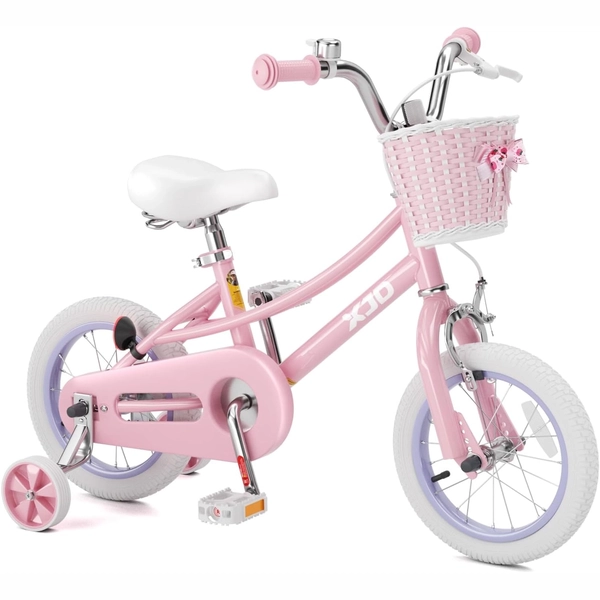
Pink 12/14/16/20" XJD Girls Bike with Training Wheels & Basket
The Pink XJD Girls Bike with Training Wheels & Basket is a first-bike pick f…
Training Wheel Bikes Wheel Size 12 Inch / 14 Inch / 16 Inch / 20 Inch Recommended Height 86–152 cm Training Wheels Yes Single Speed 12 Inch -
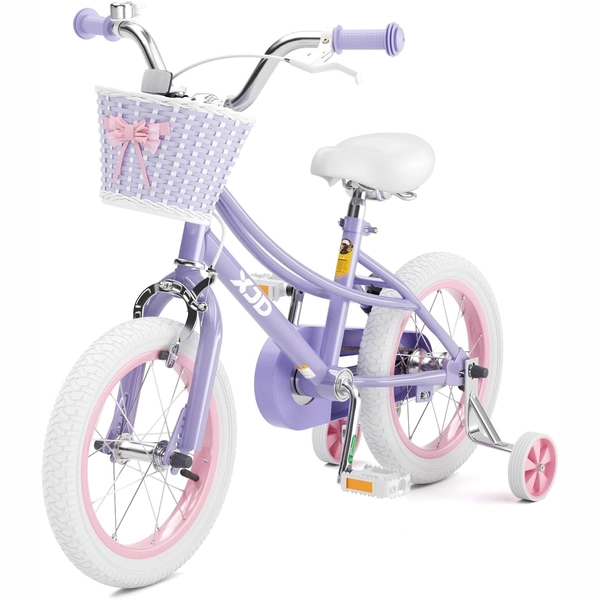
Girls' Training Wheel Bike by XJD with Basket – Purple
If you're shopping for a first bike for a girl roughly 3 to 12 years old (91–152…
Training Wheel Bikes Wheel Size 14 Inch / 16 Inch / 20 Inch Recommended Height 94–152 cm Training Wheels Yes Single Speed 14 Inch -
Save 11%
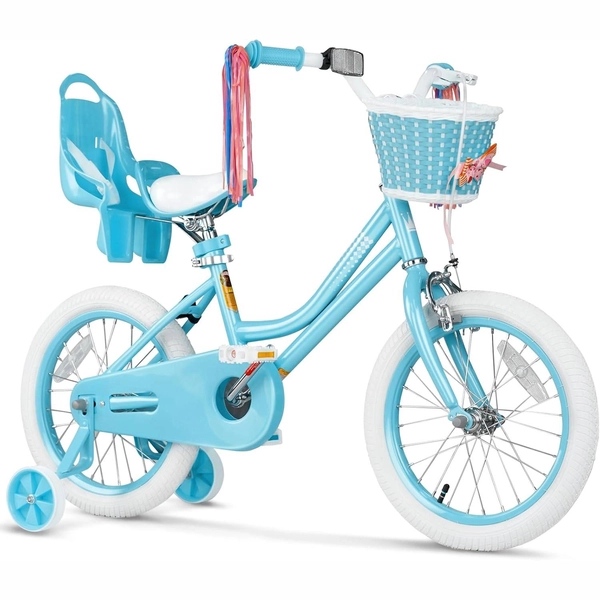
Blue XJD Girls Bike with Training Wheels – 12/14/16 Inch
If you're shopping for a first pedal bike for a daughter roughly 3 to 8 years ol…
Training Wheel Bikes Wheel Size 12 Inch / 14 Inch / 16 Inch Recommended Height 86–122 cm Training Wheels Yes 16 Inch -
Save 15%
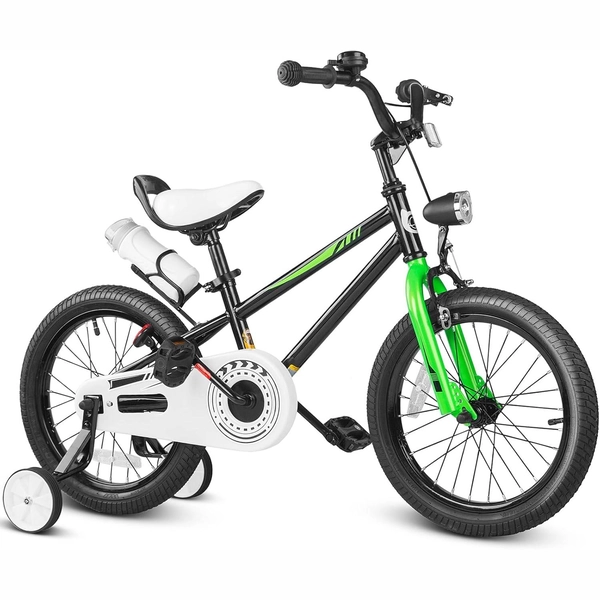
Black XJD Kids Bike for Boys – 12, 14 & 16 Inch Sizes
For a son between roughly 3 and 8 years old, the XJD Kids Bike in Black covers t…
Training Wheel Bikes Wheel Size 12 Inch / 14 Inch / 16 Inch Recommended Height 86–122 cm Training Wheels Yes 12 Inch