When do kids get bike with training wheels
Kids usually get a bike with training wheels when they are ready to pedal but cannot yet balance confidently. Choose by measured fit and control, not birthday alone.
When is a child ready?
There is no single correct age. Training wheels become relevant when a child can sit on an appropriately sized bicycle, reach its controls, understand simple directions and pedal, but still needs side-to-side support while learning. A hesitant child does not need to be rushed; a confident child who already balances may not need training wheels at all.
Watch what the rider can do now. The child should be able to start and stop with help, steer without fighting the handlebar, and reach and operate the brakes. If the bicycle feels intimidating or its controls are beyond comfortable reach, training wheels do not correct the underlying fit problem.
Measure before comparing wheel sizes
Measure the child’s height without shoes. Also measure inseam from the floor to the crotch while the child stands naturally. Use height to identify a starting wheel size, then have the child try the actual bicycle because frame proportions can differ.
| Wheel size | XBikes age starting point | Rider-height starting point |
|---|---|---|
| 12 Inch | Ages 3–4 | 34–40 in / 86–102 cm |
| 14 Inch | Ages 3–6 | 37–45 in / 94–114 cm |
| 16 Inch | Ages 4–7 | 40–48 in / 102–122 cm |
| 18 Inch | Ages 5–9 | 43–52 in / 109–132 cm |
| 20 Inch | Ages 7–12 | 48–60 in / 122–152 cm |
These ranges are starting points, not a substitute for trying the bike. When age and measured height suggest different sizes, prioritize height and the individual fit check. Never select an oversized bicycle merely to leave growing room.
Check fit and control on the actual bike
With an adult stabilizing the bicycle, check four things before deciding:
- Stand-over: The child needs appropriate clearance when standing over the bicycle rather than being forced against the frame.
- Reach: The rider should hold the handlebar without stretching, locking the elbows or leaning excessively.
- Brake control: Small hands must be able to reach and operate the provided braking controls effectively.
- Confidence: The child should look forward, steer deliberately and remain comfortable enough to follow instructions.
If any of these checks fails, compare another bicycle or size. Adding training wheels cannot make a frame with poor stand-over clearance, excessive reach or inaccessible brakes fit correctly.
How the supplied XBikes options compare
The XJD Kids Bike for Girls – Pink, 12/14/16/20 Inch with Training Wheels offers catalog size labels of 12, 14, 16 and 20 Inch. The XJD Pink Girls' Bike – Kids 12/14/16 Inch Training Wheel Bicycle offers 12, 14 and 16 Inch labels. These particular catalog options help parents compare training-wheel bicycles across the most relevant measured-height starting points; only the first listing includes a supplied 20 Inch option.
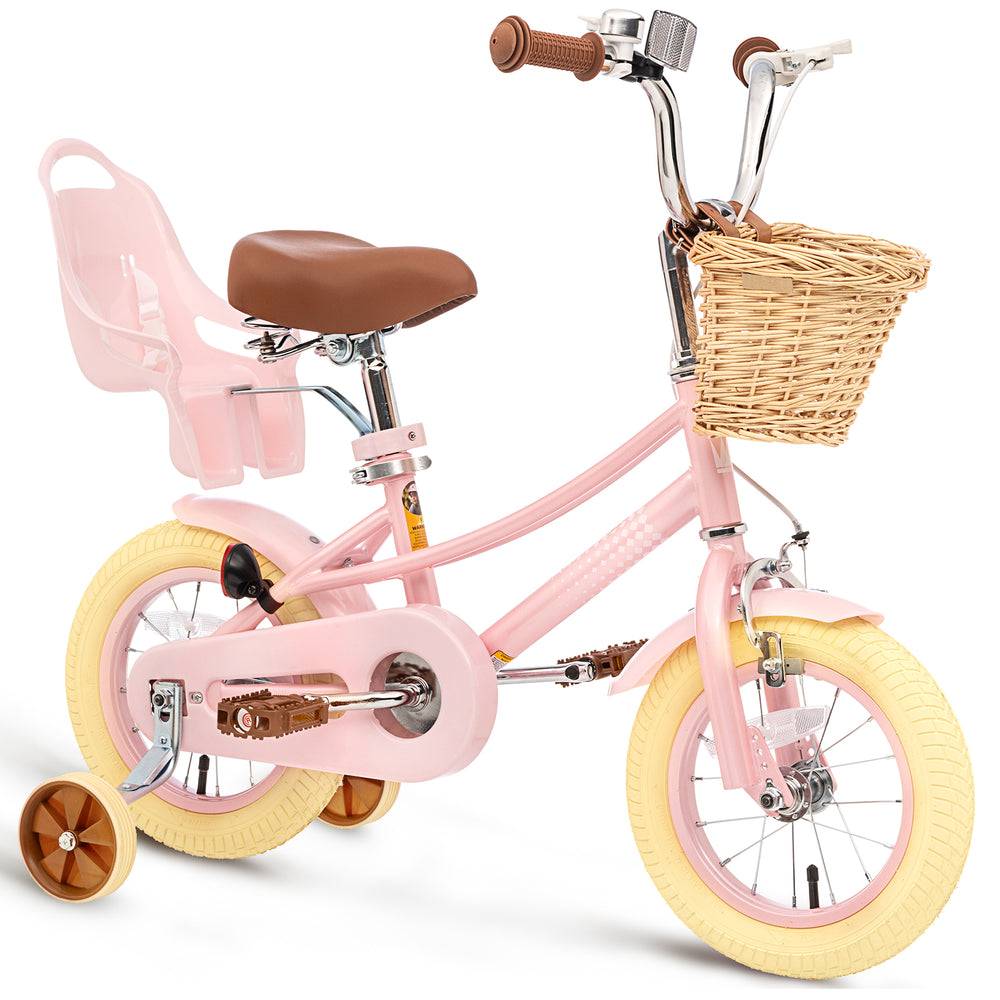 XJD Kids Bike for Girls – Pink, 12/14/16/20 Inch with Training Wheels
Available in 12, 14, 16 and 20 Inch catalog size labels, making it relevant for comparing several XBikes height-based starting points after an individual fit check.
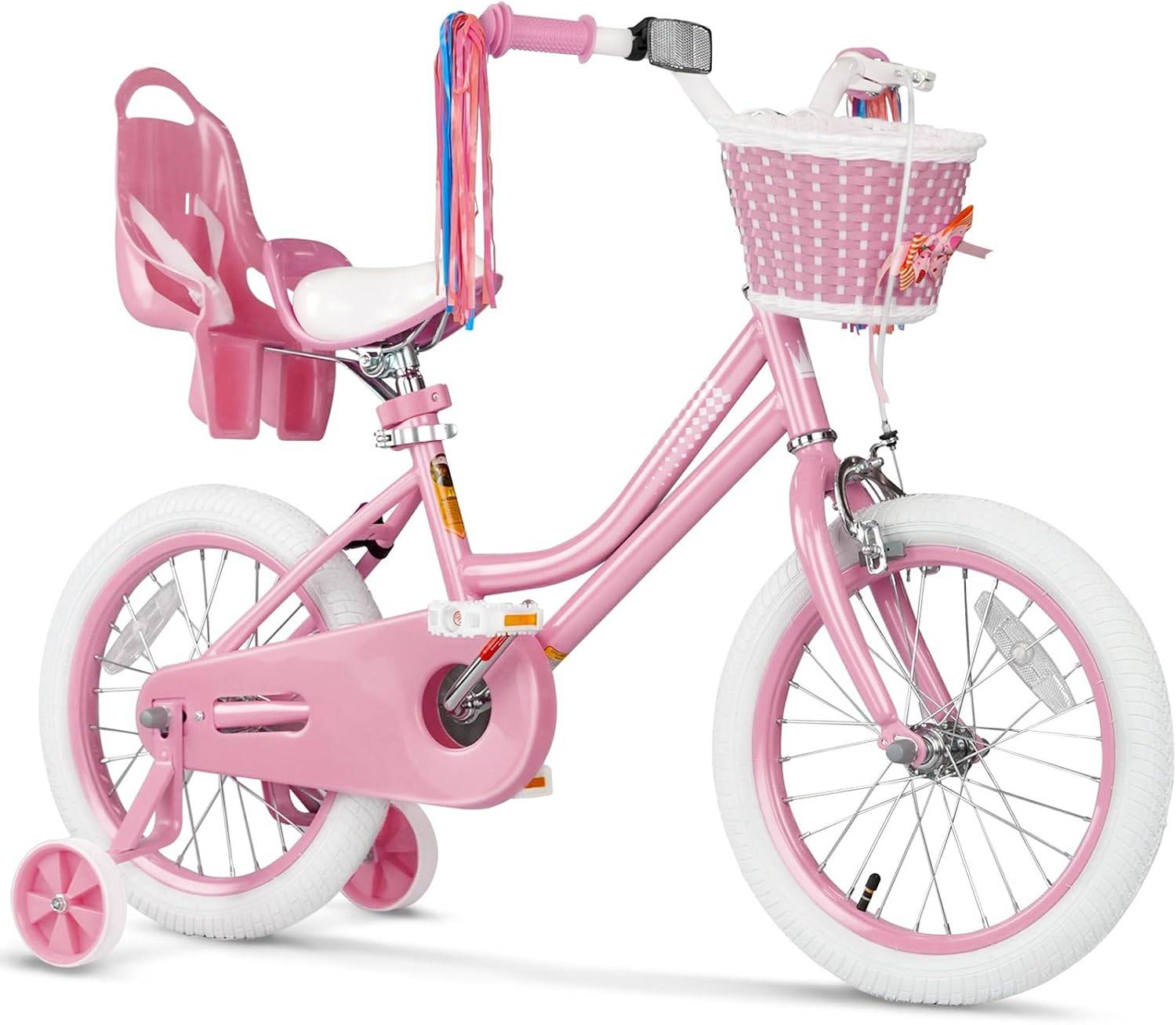 XJD Pink Girls' Bike – Kids 12/14/16 Inch Training Wheel Bicycle
Available in 12, 14 and 16 Inch catalog size labels, making it relevant for younger or shorter riders whose measurements point to one of those starting sizes.
A matching wheel-size label only earns a bike a place on the try-on list. It does not prove that stand-over, reach or brake access will suit a particular child. Neither supplied listing includes an 18 Inch option, so for a rider whose fit check points to 18 Inch, these products are neighboring-size comparison points rather than substitutes. Do not treat 16 or 20 Inch as equivalent to 18 Inch.
When training wheels are no longer useful
Training wheels may no longer be relevant when the child can start, steer, stop and maintain balance with confidence. They may also be the wrong tool if the rider needs help because the bicycle is too large, too small or difficult to control. Recheck fit after a growth spurt instead of assuming the support system is the issue.
For installation, adjustment, compatibility, maintenance and removal, follow the exact bicycle and training-wheel manual. If instructions are missing or the setup cannot be verified, use a qualified bicycle mechanic rather than improvising hardware positions or torque.
What to do next
- Measure height and inseam, then use the XBikes table to choose a starting wheel size.
- Have the child try that exact bicycle and compare stand-over clearance, reach, brake control and present confidence.
- Choose training wheels only if the bicycle fits and the remaining challenge is balance—not fit or control.
- Before every ride, use a properly fitting bicycle helmet. It should sit level, with its straps secured according to the helmet manufacturer’s instructions.
The right time to get a bike with training wheels is therefore the point when your child fits and controls the bicycle but still needs balance support. Measure first, conduct the hands-on fit check, and proceed only when both answers agree.
Recommended products
-
Save 24%
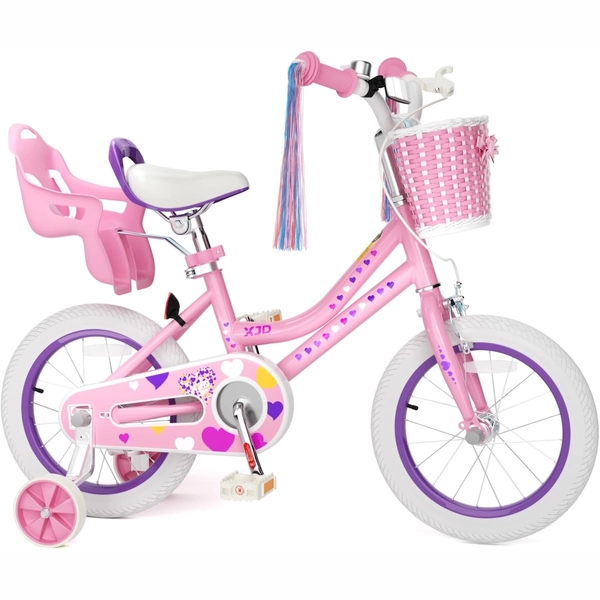
Pink Girls' 12/14/16" Bike by XJD – Basket & Doll Seat
The XJD Pink Girls' Bike with Basket & Doll Seat is made for riders 71–122 cm ta…
Training Wheel Bikes Wheel Size 12 Inch / 14 Inch / 16 Inch Recommended Height 86–122 cm Training Wheels Yes Geared 12 Inch -
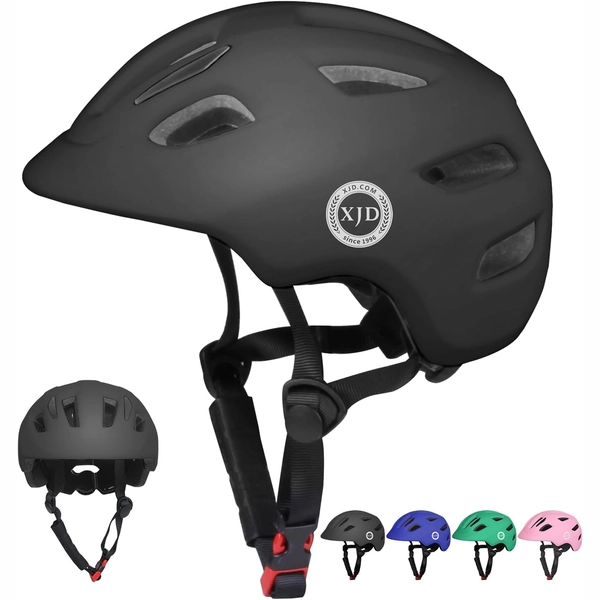
Black XJD Toddler Bike Helmet, Adjustable – Kids' Protective Helmet
The XJD Toddler Bike Helmet in black is an adjustable protective helmet for kids…
Bike Helmets XS (46–51 cm) -
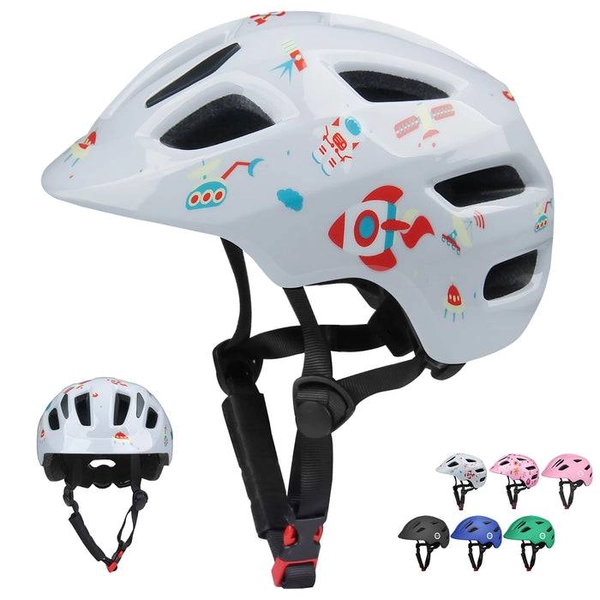
White Astronaut Bike Helmet for Kids by XJD – Toddler to Youth Sizes
4 reviews
The XJD White Astronaut kids' bike helmet is made for toddlers through younger e…
Bike Helmets Out of stock S:18.11"-20.08" / 46-51 cm -
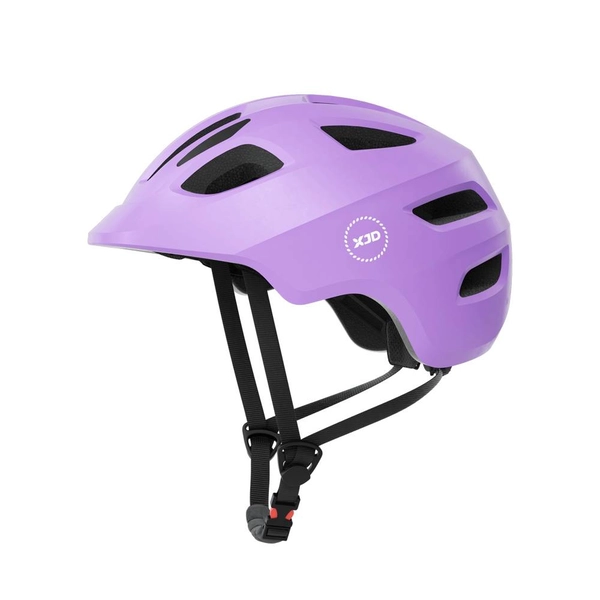
Girls' Bike Helmet from XJD – Purple
The XJD kids bike helmet in purple is a multi-sport helmet built for toddlers an…
Bike Helmets Pink / S:18.11"-20.08" / 46-51 cm