When do kids get a bike with training wheels
Kids get a bike with training wheels when they fit the bike correctly, can operate its brakes and steering, but still need support while learning balance. There is no single required age.
Use readiness, not a birthday
Training wheels may be useful when a child wants to pedal yet cannot confidently start, balance and stop without lateral support. A child who already glides, turns and stops under control may be ready to learn without them.
Age is only a starting point for wheel size. Measure the child now, then have them try the actual bicycle. Do not buy an oversized bike for future growth: extra size can make mounting, reaching the controls and stopping harder.
Measure and check the fit
Begin with standing height and inseam. Height helps narrow the wheel-size range; inseam helps assess whether the child can stand over the bicycle comfortably. Because frame shapes vary, neither measurement replaces an in-person check.
- Measure standing height without shoes, with the child upright against a wall.
- Measure inseam from the floor to the crotch while the child stands naturally.
- On the bike, check for comfortable clearance while standing over the frame.
- Confirm the child can reach the handlebars without stretching or locking their arms.
- Have the child demonstrate that they can reach and operate the brakes while maintaining control.
If reach, stand-over clearance or brake operation is doubtful, compare another size or model. Training wheels do not correct a bicycle that is too large or poorly matched to the rider.
Compare wheel-size starting points
| Wheel size | Age starting point | Rider height |
|---|---|---|
| 12 Inch | 3–4 | 34–40 in / 86–102 cm |
| 14 Inch | 3–6 | 37–45 in / 94–114 cm |
| 16 Inch | 4–7 | 40–48 in / 102–122 cm |
| 18 Inch | 5–9 | 43–52 in / 109–132 cm |
| 20 Inch | 7–12 | 48–60 in / 122–152 cm |
| 24 Inch | 10–14 | 54–64 in / 137–163 cm |
| 26 Inch | Youth and adults | Over 60 in / 153 cm |
Where ranges overlap, compare both plausible sizes on the individual child. Prioritize measured height, inseam, reach, brake control and current confidence over age alone. A wheel-size label is a useful filter, not proof of fit.
When the supplied bike is relevant
The XJD Girls' Bike with Training Wheels, 12/14/16/20 Inch – Purple is relevant when the child needs training-wheel support and their measurements point toward a 12, 14, 16 or 20 Inch starting point. Its four available size labels make it possible to compare several catalog options against the child’s measured height; the final choice still requires a fit and control check.
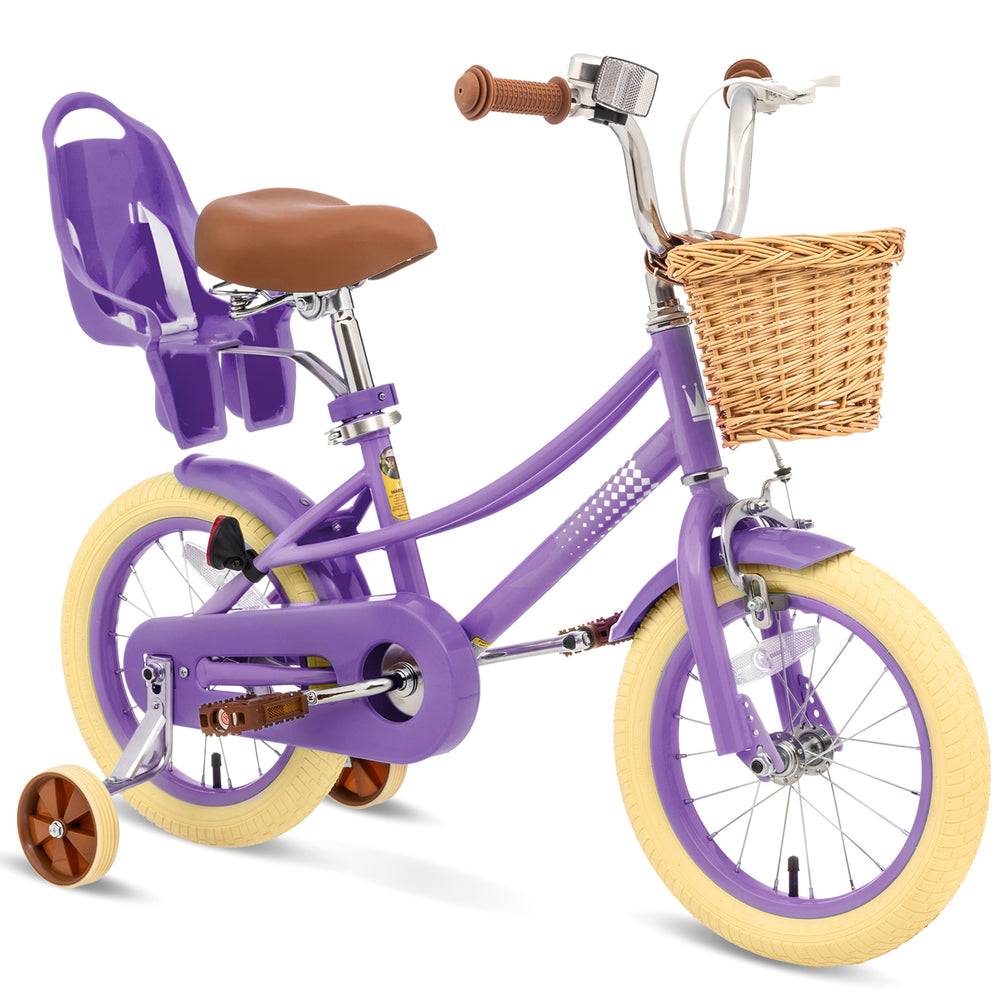
This supplied product does not include an 18, 24 or 26 Inch option. If the rider’s measurements indicate one of those sizes, the listed versions are comparison points only, not equal substitutes. No supplied catalog facts establish assembly details, load limits, adjustment procedures or component compatibility, so follow the exact product manual or ask a qualified bicycle mechanic.
Set up a controlled first ride
Before riding, inspect the bicycle according to its manual and confirm that the training wheels and other components are assembled and adjusted as directed. Do not guess at torque settings or installation procedures.
- Choose a flat, open area away from traffic, slopes and obstacles.
- Use a properly fitted bicycle helmet. It should sit level, with straps adjusted according to the helmet manufacturer’s instructions.
- Ask the child to practise mounting, looking ahead, steering, braking and stopping before adding speed.
- Stay close enough to assist without pulling the handlebars or unexpectedly changing direction.
Stop and reassess if the child cannot reach the brakes, looks stretched, repeatedly loses steering control or cannot stand over the bike comfortably. Those are fit or control concerns, not problems that training wheels should be expected to solve.
Know when to move on
Training wheels remain relevant while they let a correctly fitted rider practise pedalling, steering and braking with confidence. Reassess their usefulness when the child consistently starts, steers and stops under control and is ready to work on balance. Make any removal or adjustment only as the product manual directs, or use a qualified bicycle mechanic.
The next step is simple: measure height and inseam, compare the matching size range, and have the child try that bicycle. Choose training wheels only if the fit is sound and balance support—not a larger bike—is what the child currently needs.
Recommended products
-
Save 24%
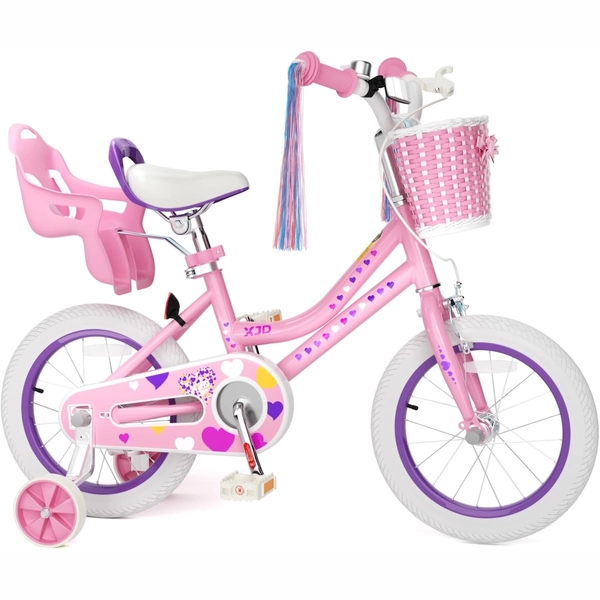
Pink Girls' 12/14/16" Bike by XJD – Basket & Doll Seat
The XJD Pink Girls' Bike with Basket & Doll Seat is made for riders 71–122 cm ta…
Training Wheel Bikes Wheel Size 12 Inch / 14 Inch / 16 Inch Recommended Height 86–122 cm Training Wheels Yes Geared 12 Inch -
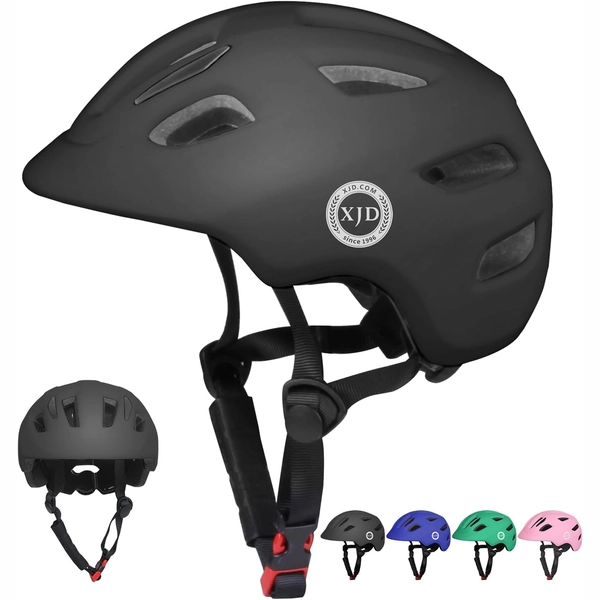
Black XJD Toddler Bike Helmet, Adjustable – Kids' Protective Helmet
The XJD Toddler Bike Helmet in black is an adjustable protective helmet for kids…
Bike Helmets XS (46–51 cm) -
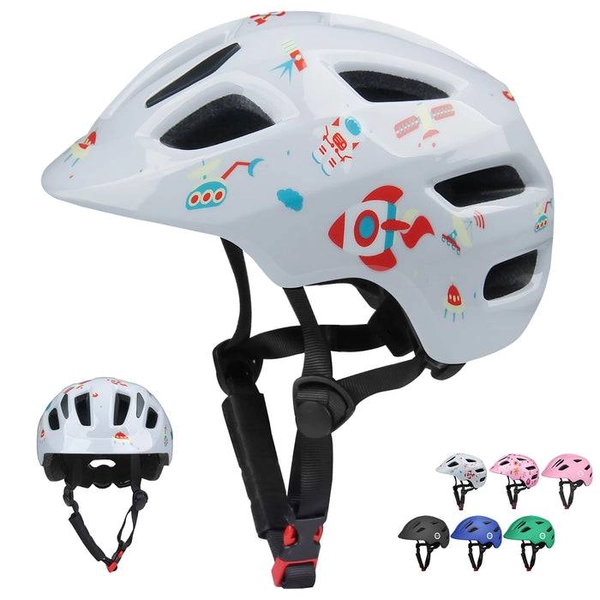
White Astronaut Bike Helmet for Kids by XJD – Toddler to Youth Sizes
4 reviews
The XJD White Astronaut kids' bike helmet is made for toddlers through younger e…
Bike Helmets Out of stock S:18.11"-20.08" / 46-51 cm -
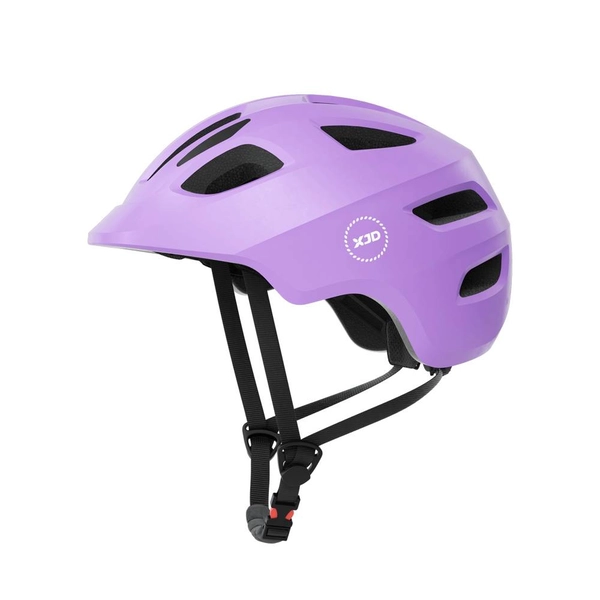
Girls' Bike Helmet from XJD – Purple
The XJD kids bike helmet in purple is a multi-sport helmet built for toddlers an…
Bike Helmets Pink / S:18.11"-20.08" / 46-51 cm