When do kids ride bike without training wheels
Kids can ride without training wheels when they can balance, steer, start and stop with control—not at one fixed age. Check readiness and bicycle fit before removing the wheels.
Look for control, not a birthday
Training wheels can come off when a child consistently keeps the bicycle upright with minimal support, looks ahead while steering, and stops on request without panic. They should also be willing to practise; fear, freezing or refusing to ride means waiting is reasonable.
Age is only a starting point because coordination, confidence and experience develop at different rates. A younger child may be ready while an older child still benefits from support. The useful question is whether the rider can control the bicycle they have today.
Measure fit before testing readiness
Measure the child’s height without shoes. Check inseam against the actual bicycle rather than assuming wheel size determines fit. With the child trying the bike, confirm comfortable stand-over clearance, an easy reach to the handlebar, and access to the brake controls. The rider should be able to hold, steer and stop the bicycle without stretching or losing position.
Do not buy an oversized bicycle for future growth. A wheel-size label cannot show whether a particular frame, seat position or control layout fits an individual child. If reach, stand-over or brake operation is uncertain, compare the rider directly with the bicycle and consult the exact product manual or a qualified bicycle mechanic.
Compare height with XBikes starting points
| Wheel size | Age starting point | Rider-height starting point |
|---|---|---|
| 12 Inch | Ages 3–4 | 34–40 in / 86–102 cm |
| 14 Inch | Ages 3–6 | 37–45 in / 94–114 cm |
| 16 Inch | Ages 4–7 | 40–48 in / 102–122 cm |
| 18 Inch | Ages 5–9 | 43–52 in / 109–132 cm |
| 20 Inch | Ages 7–12 | 48–60 in / 122–152 cm |
| 24 Inch | Ages 10–14 | 54–64 in / 137–163 cm |
| 26 Inch | Youth and adults | Over 60 in / 153 cm |
Use measured height before age, then verify inseam, reach, brake control and confidence on the actual bike. Overlapping ranges are comparison points, not permission to choose whichever size will last longest.
Use a short readiness check
- Balance: On a flat, traffic-free practice area, see whether the child can remain centered while the bicycle moves slowly.
- Steering: Ask the rider to follow a simple path and make gentle turns while looking forward.
- Stopping: Confirm that the child can reach and operate the bicycle’s stopping controls, stop when asked and put a foot down securely.
- Starting: Check whether the child can begin moving with only light assistance rather than needing an adult to hold the bicycle upright.
- Confidence: Remove training wheels only when the rider accepts the change and can repeat these actions calmly.
If one skill is inconsistent, practise that skill with support and test again later. Follow the bicycle’s exact manual for training-wheel removal, adjustment and compatibility; use a qualified bicycle mechanic when the instructions or setup are unclear.
How the supplied bike helps with the comparison
The Girls' Training Wheel Bike by XJD with Basket – Purple is available with 14 Inch, 16 Inch and 20 Inch SKU labels. Those options let a parent compare three XBikes height starting points while considering a training-wheel bicycle, but the labels do not replace an individual fit and control check.
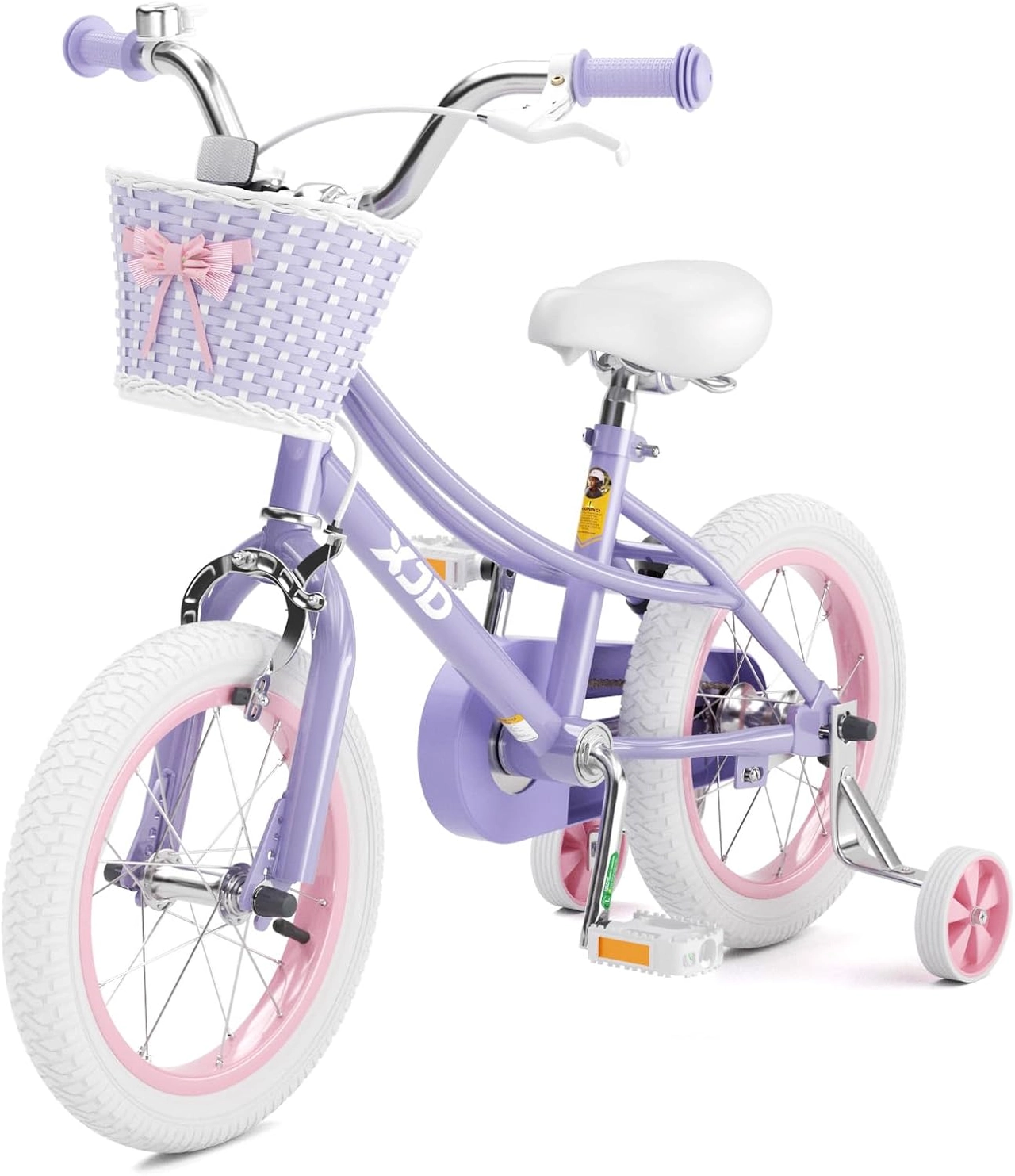
For a rider measuring 37–45 in / 94–114 cm, 14 Inch is the XBikes starting point; for 40–48 in / 102–122 cm, compare 16 Inch; for 48–60 in / 122–152 cm, compare 20 Inch. Where ranges overlap, have the child try the relevant options and choose according to stand-over, reach, brake control and confidence—not age or anticipated growth.
Practise the transition safely
Choose a flat, open area away from vehicles, steep slopes and obstacles. Fit a bicycle helmet so it sits level and its straps are adjusted according to the helmet manufacturer’s instructions. An adult can steady the rider briefly, then reduce support as balance becomes consistent.
Keep sessions short enough that fatigue does not undermine control. Reinstalling support or pausing the transition is appropriate if the child repeatedly tips, cannot stop predictably, cannot reach the controls, or becomes distressed. Training wheels remain relevant for developing confidence and basic control; they are no longer necessary once independent balance, steering, starting and stopping are repeatable.
Make the decision
Measure height, test the actual bicycle for inseam clearance and reach, confirm reliable brake operation, then observe balance, steering, starting and stopping. If all checks are comfortable and repeatable, follow the manual to remove the training wheels and practise on level ground. If any check fails, correct the fit or keep the support in place and try again later.
Recommended products
-
Save 11%
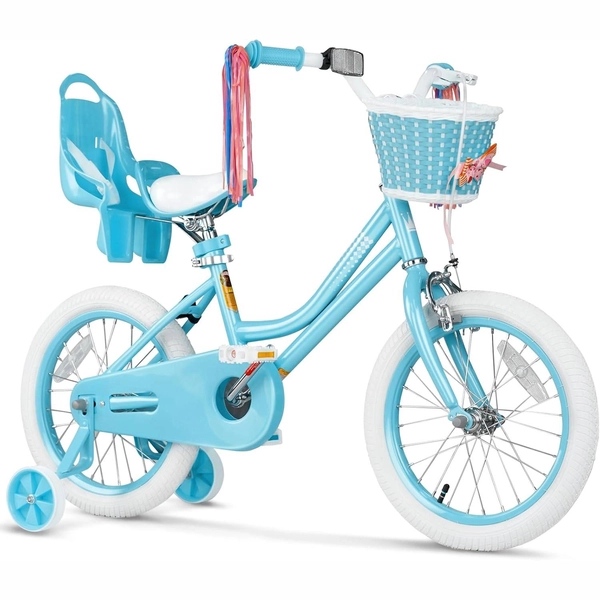
Blue XJD Girls Bike with Training Wheels – 12/14/16 Inch
If you're shopping for a first pedal bike for a daughter roughly 3 to 8 years ol…
Training Wheel Bikes Wheel Size 12 Inch / 14 Inch / 16 Inch Recommended Height 86–122 cm Training Wheels Yes 16 Inch -
Save 16%
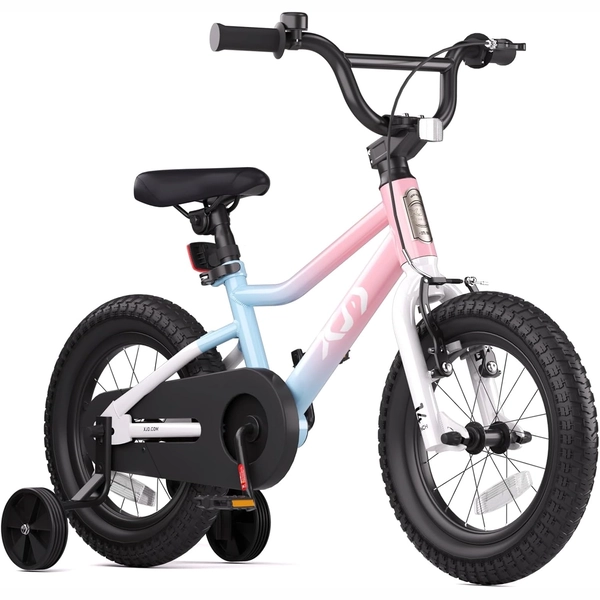
XJD Girls BMX Bike 12/14/16 Inch with Training Wheels – Pink Blue
The XJD Girls BMX Bike in Pink/Blue is built as a first pedal bike for kids roug…
Kids' BMX Bikes Wheel Size 12 Inch / 14 Inch / 16 Inch Recommended Height 86–122 cm Training Wheels Yes Single Speed 12 Inch -
Save 5%
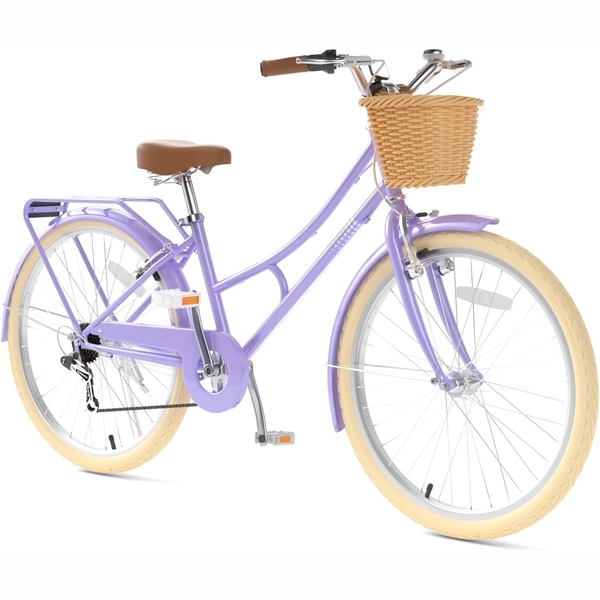
26-Inch XJD Beach Cruiser Bike for Girls – Purple, V-Brake
This XJD 26-inch purple beach cruiser is sized for big kids and teens — suggeste…
Beach Cruiser Bikes Wheel Size 20 Inch / 24 Inch / 26 Inch Recommended Height 122–200 cm Training Wheels No Geared Purple / 26 Inch -
Save 14%
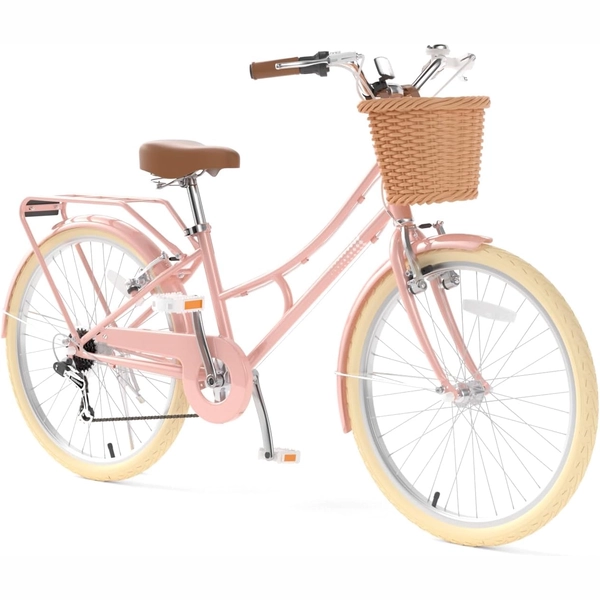
XJD Pink Beach Cruiser for Girls – Rear Rack & V-Brake
The XJD Pink Beach Cruiser for girls is the step-up bike for riders who've outgr…
Beach Cruiser Bikes Wheel Size 20 Inch / 24 Inch / 26 Inch Recommended Height 122–200 cm Training Wheels No Geared 20 Inch