When do kids start riding a bike with training wheels
Most children start riding a bike with training wheels around age 3 to 4, once they fit a 12-inch bike and can steer, brake and follow simple directions.
Age is only the starting point
There is no single correct birthday for beginning. XBikes lists a 12 Inch bike as a starting point for ages 3–4 and heights of 34–40 in / 86–102 cm. Some children within that range are ready; others need more time. A child’s measured height, inseam, reach, brake control and current confidence matter more than age alone.
Training wheels may be useful when a child can sit securely, hold the handlebar, steer intentionally and operate the bike’s braking system, but is not yet comfortable balancing independently. Wait if the child cannot reach the controls, repeatedly lets go of the handlebar, does not understand how to stop, or is frightened rather than cautiously interested.
Measure before choosing a wheel size
Measure the child barefoot, standing straight against a wall, to find total height. Measure inseam from the floor to the crotch using a firm book held level between the legs. Height narrows the size range; the in-person fit check confirms it.
| Wheel size | XBikes age starting point | Rider height |
|---|---|---|
| 12 Inch | Ages 3–4 | 34–40 in / 86–102 cm |
| 14 Inch | Ages 3–6 | 37–45 in / 94–114 cm |
| 16 Inch | Ages 4–7 | 40–48 in / 102–122 cm |
Overlapping ranges are comparison points, not proof that either size fits. Have the child try the exact bicycle. Do not choose an oversized model merely to allow room for growth.
Check the bike with the child aboard
A suitable starting bike should let the child stand over it without being trapped against the frame. While seated, the child should reach the handlebar without stretching or locking the arms. They should be able to turn the handlebar with control and reach and operate the brakes as intended.
Watch what happens during a short supervised try:
- Can the child get into position and look ahead without wobbling from excessive reach?
- Can they steer around a simple obstacle rather than only travel straight?
- Can they start and stop on request without an adult grabbing the bike?
- Do their feet and legs move freely without the bike appearing cramped?
- Do they remain attentive and willing after a few attempts?
If the measurements suggest one size but the child cannot control that bicycle, do not treat the chart as permission to proceed. Compare another size or wait and try again later.
How the supplied training-wheel bikes compare
The Flower Pink XJD Girls Bike with Doll Seat & Basket and the Purple XJD Girls' Bike with Doll Seat & Basket are relevant because both are Training Wheel Bikes offered in 12 Inch, 14 Inch and 16 Inch labels. That range lets a parent compare the three XBikes starting points above while keeping the individual fit check central.
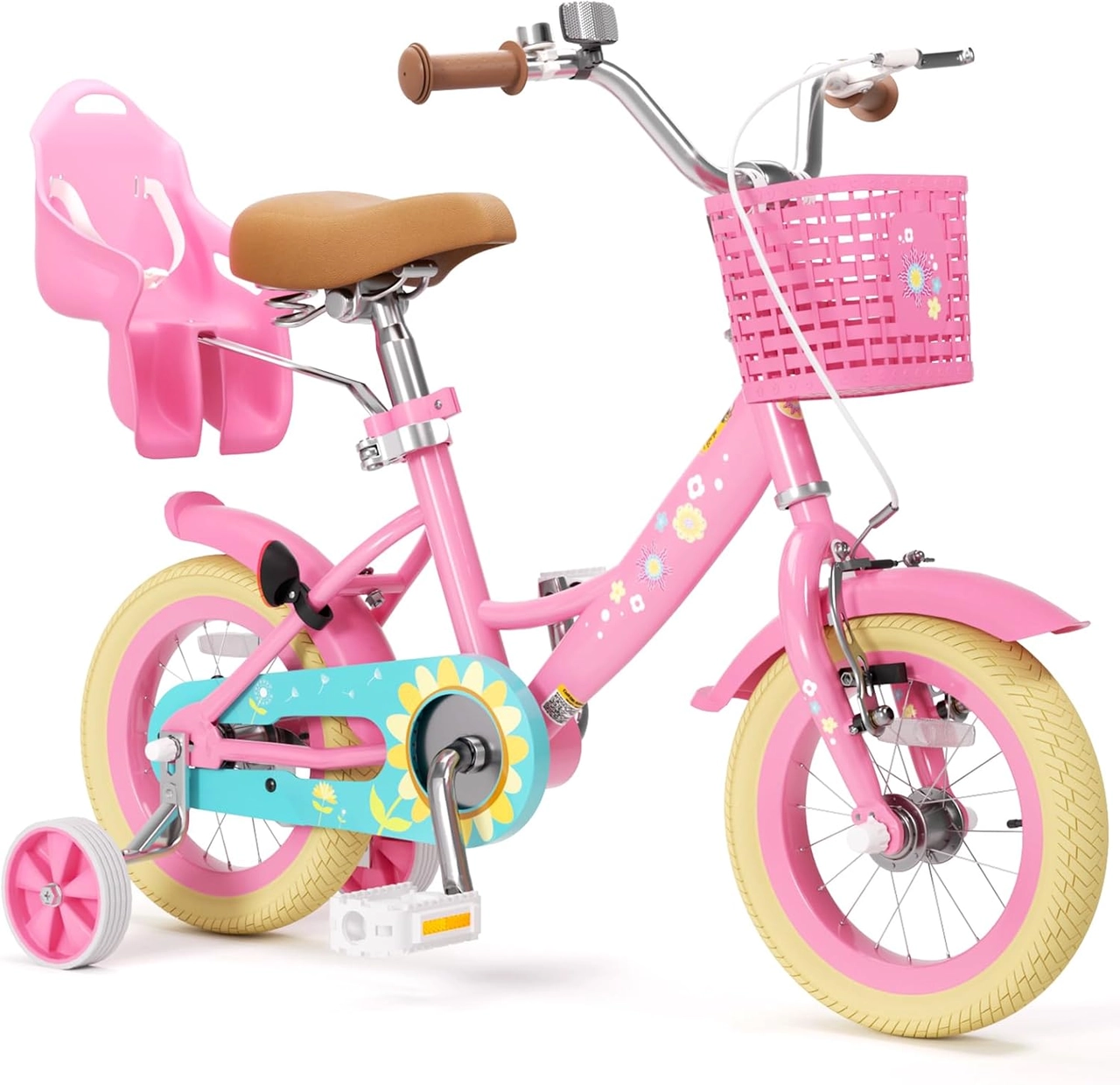 Flower Pink XJD Girls Bike with Doll Seat & Basket
A Training Wheel Bike available in 12 Inch, 14 Inch and 16 Inch labels, making it relevant for comparing XBikes size starting points after measuring and checking the child’s control.
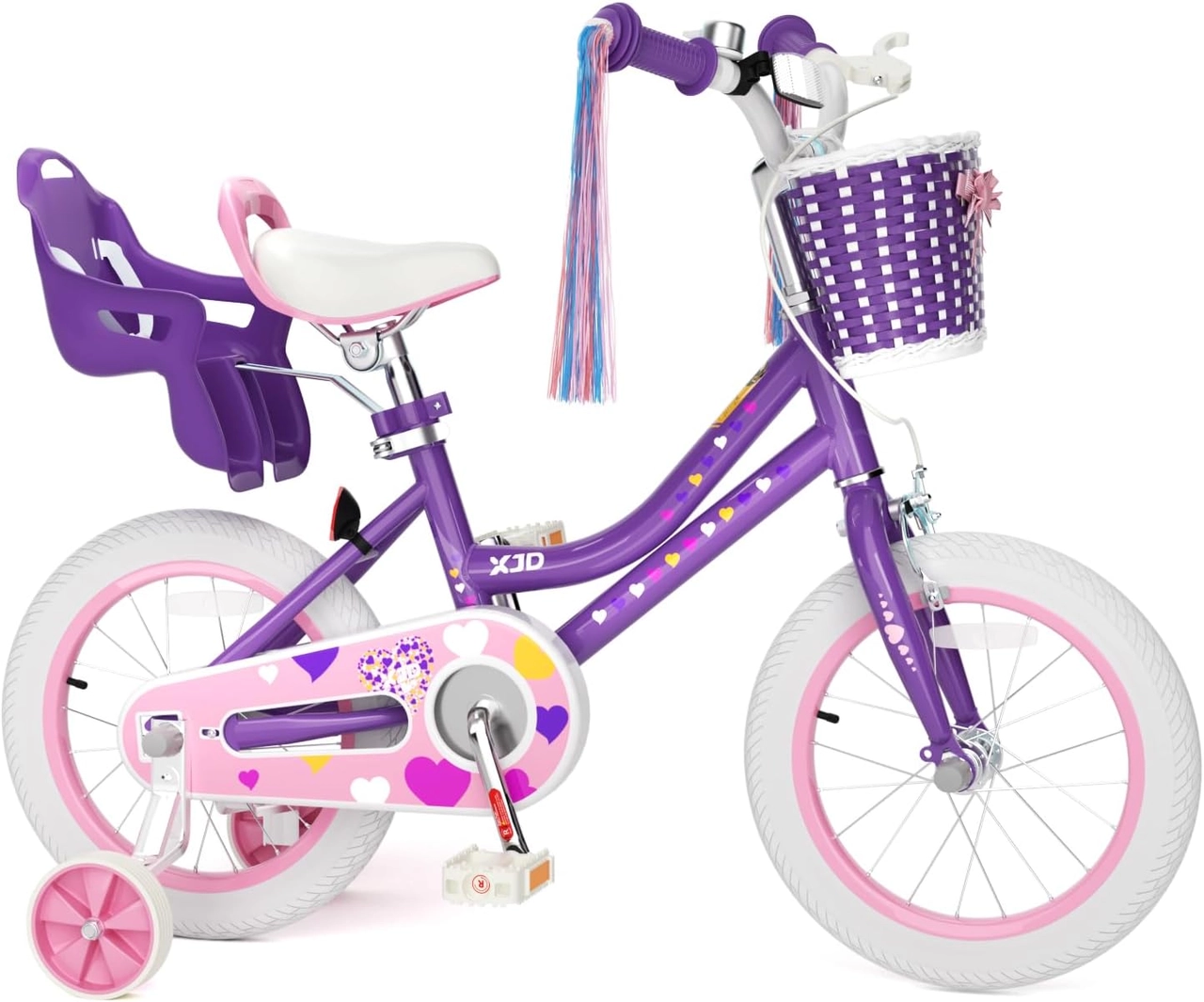 Purple XJD Girls' Bike with Doll Seat & Basket
This Training Wheel Bike is offered in 12 Inch, 14 Inch and 16 Inch labels. Use those options as fit-check candidates based on measured height, reach, braking ability and confidence.
The supplied facts distinguish these options by exact title and color wording, but list the same available size labels for each. They do not establish differences in brakes, materials, weight, load limit, assembly, certification or other components. Select between them only after identifying a plausible wheel size and confirming that the child can stand over, reach, steer and brake on the exact bike.
Prepare for the first rides
Use a properly fitting bicycle helmet. It should sit level, and its straps should be adjusted according to the helmet manufacturer’s instructions. Choose a flat practice area away from traffic and obstacles, provide close adult supervision, and keep early sessions short enough that fatigue does not replace control.
Before riding, follow the exact bicycle manual for assembly, training-wheel setup, adjustment, maintenance, compatibility and any load or torque limits. If the instructions are missing, unclear or the setup cannot be verified, use a qualified bicycle mechanic rather than guessing.
Decide whether to start now
Start now if the child falls within a plausible height range, fits the exact bicycle, can reach and operate its controls, understands stopping, and approaches practice with manageable confidence. If any one of those checks fails, resize the bike, correct the setup according to its manual, or postpone riding. For a typical 3- to 4-year-old, compare a 12 Inch option first—but let the child’s measured fit and demonstrated control make the final decision.
Recommended products
-
Save 11%
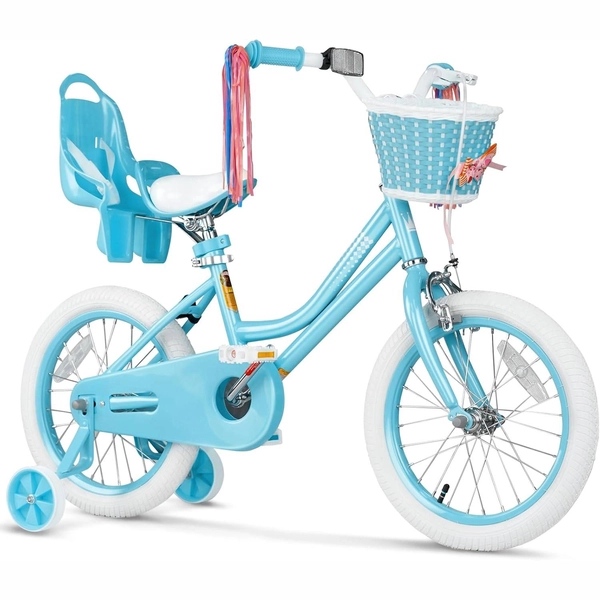
Blue XJD Girls Bike with Training Wheels – 12/14/16 Inch
If you're shopping for a first pedal bike for a daughter roughly 3 to 8 years ol…
Training Wheel Bikes Wheel Size 12 Inch / 14 Inch / 16 Inch Recommended Height 86–122 cm Training Wheels Yes 16 Inch -
Save 16%
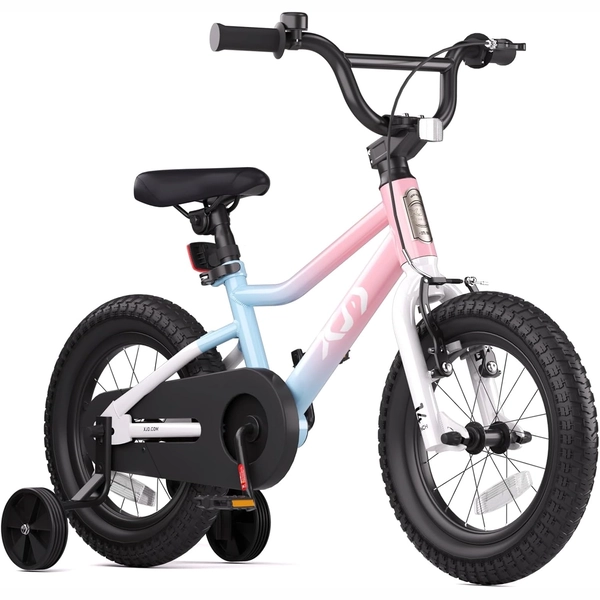
XJD Girls BMX Bike 12/14/16 Inch with Training Wheels – Pink Blue
The XJD Girls BMX Bike in Pink/Blue is built as a first pedal bike for kids roug…
Kids' BMX Bikes Wheel Size 12 Inch / 14 Inch / 16 Inch Recommended Height 86–122 cm Training Wheels Yes Single Speed 12 Inch -
Save 5%
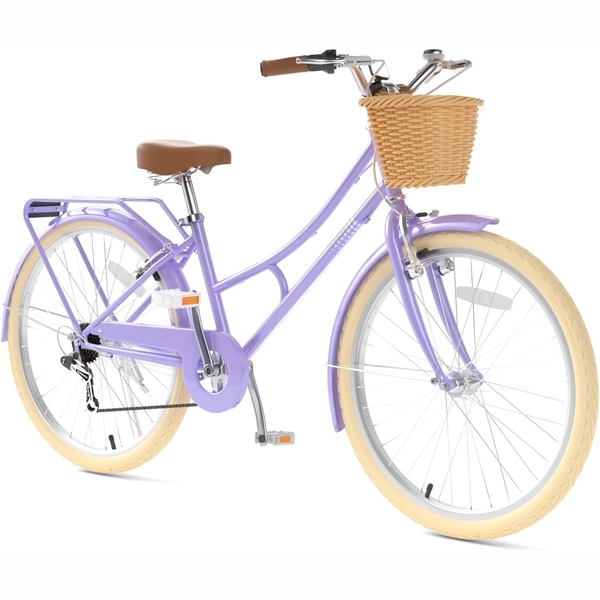
26-Inch XJD Beach Cruiser Bike for Girls – Purple, V-Brake
This XJD 26-inch purple beach cruiser is sized for big kids and teens — suggeste…
Beach Cruiser Bikes Wheel Size 20 Inch / 24 Inch / 26 Inch Recommended Height 122–200 cm Training Wheels No Geared Purple / 26 Inch -
Save 14%
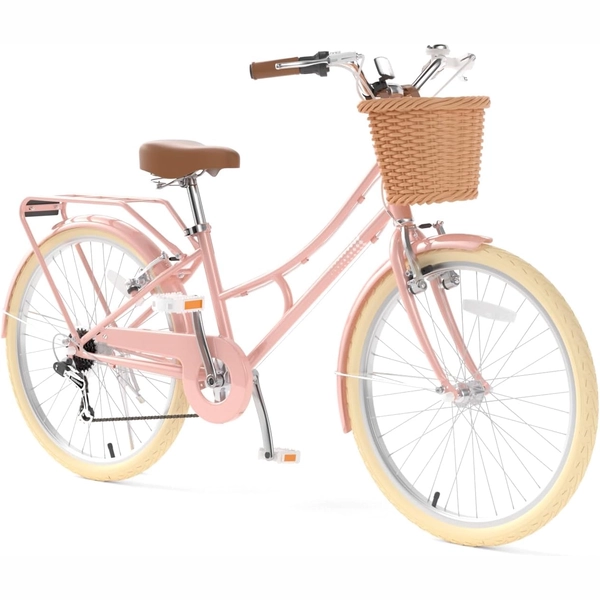
XJD Pink Beach Cruiser for Girls – Rear Rack & V-Brake
The XJD Pink Beach Cruiser for girls is the step-up bike for riders who've outgr…
Beach Cruiser Bikes Wheel Size 20 Inch / 24 Inch / 26 Inch Recommended Height 122–200 cm Training Wheels No Geared 20 Inch