When do kids ride bikes with training wheels
Kids usually ride bikes with training wheels while they are learning to pedal, steer, brake and stay confident without full balance support. Readiness matters more than a fixed age.
When training wheels make sense
Training wheels can be useful when a child fits a pedal bike but cannot yet start, ride and stop while balancing independently. They may also help a hesitant rider practise pedalling and steering at a calm pace.
Age alone does not decide when to begin or stop. A child is ready to try a training-wheel bike when the bike fits now, the controls are within reach, and the child can follow simple instructions. Do not move up to an oversized bicycle simply to allow room for growth.
Measure the child before choosing a wheel size
Measure the child's height without shoes. Also measure inseam from the floor to the crotch, because two children of the same height can have different leg lengths. Compare those measurements with the bicycle's sizing information, then have the child try the exact bike whenever possible.
| Wheel size | XBikes age starting point | XBikes rider-height starting point |
|---|---|---|
| 12 Inch | Ages 3–4 | 34–40 in / 86–102 cm |
| 14 Inch | Ages 3–6 | 37–45 in / 94–114 cm |
| 16 Inch | Ages 4–7 | 40–48 in / 102–122 cm |
| 18 Inch | Ages 5–9 | 43–52 in / 109–132 cm |
| 20 Inch | Ages 7–12 | 48–60 in / 122–152 cm |
| 24 Inch | Ages 10–14 | 54–64 in / 137–163 cm |
| 26 Inch | Youth and adults | Over 60 in / 153 cm |
These are starting points, not a substitute for an individual fit check. Give measured height, inseam, reach, brake control and present confidence more weight than the age column.
Check fit and control on the exact bicycle
With the child standing over the bicycle, check that there is appropriate clearance and that mounting and dismounting feel controlled. When seated, the child should be able to reach the handlebars naturally, steer without stretching and operate the brakes reliably. The child should not have to lean or twist just to reach a control.
Ask the rider to demonstrate a controlled start, a turn in each direction and a stop in a clear practice area. If the child cannot reach the controls, feels trapped over the frame or loses control because the bike is too large, choose a better-fitting size rather than expecting training wheels to correct the mismatch.
How the supplied options compare
The Flower Pink XJD Girls Bike with Doll Seat & Basket is listed in the Training Wheel Bikes category with 12 Inch, 14 Inch and 16 Inch SKU labels. Those three choices help parents compare the child's measurements with adjacent XBikes starting points before checking the exact bicycle in person.
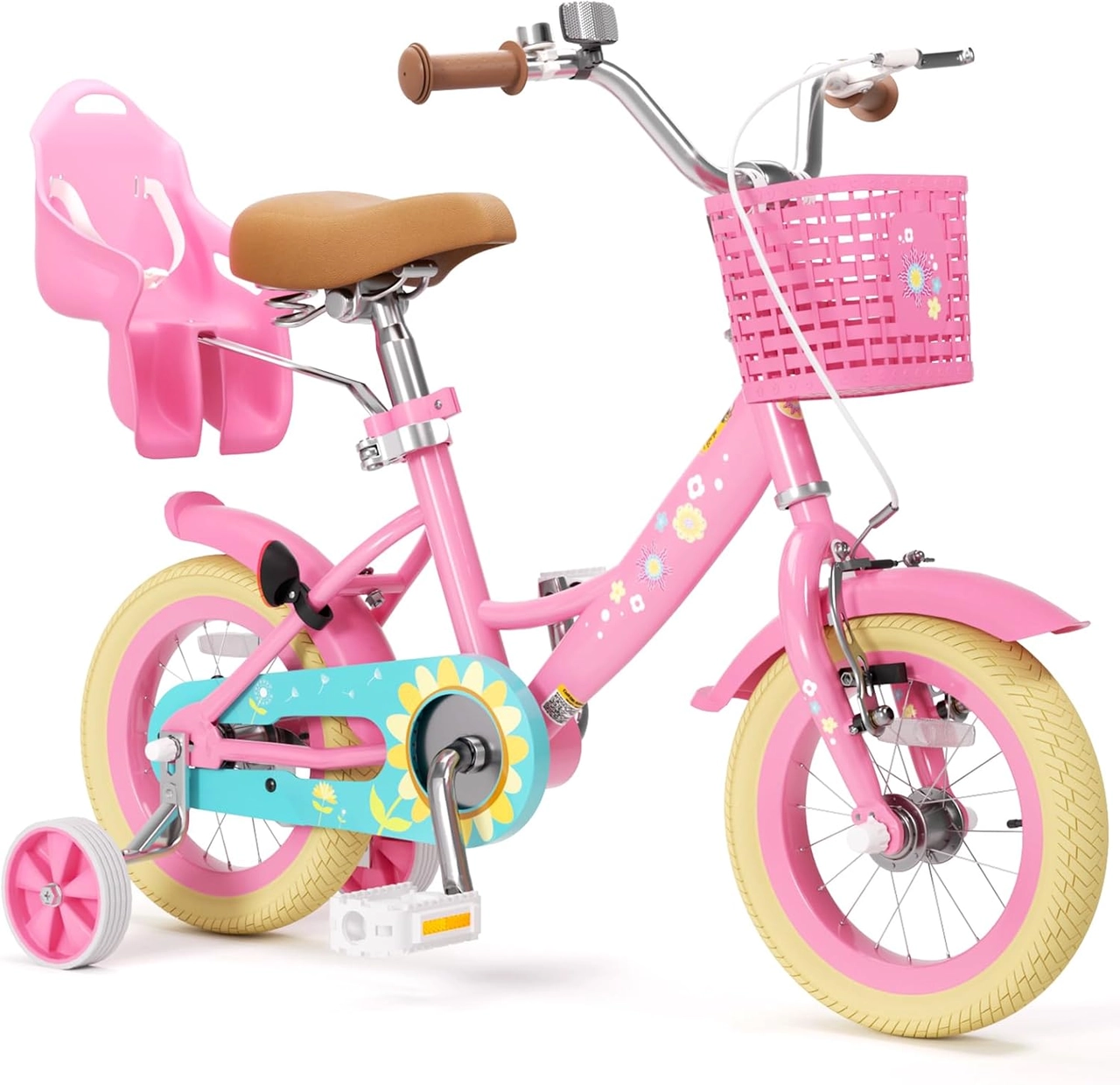
Based on the XBikes chart, consider 12 Inch around 34–40 inches of rider height, 14 Inch around 37–45 inches, and 16 Inch around 40–48 inches. Overlapping ranges do not mean the sizes fit identically. Where measurements fall in an overlap, compare stand-over clearance, inseam, reach, brake operation and control on each exact size.
This product is relevant only if one of its supplied size labels produces a proper individual fit and training wheels suit the child's current learning stage. It is not a substitute when the rider needs an 18 Inch or larger starting point, or when the child already rides confidently without balance support.
Practise safely and review progress
Use a level area away from traffic, obstacles and steep slopes. An adult should supervise and keep sessions short enough that fatigue does not undermine steering or braking. The rider should wear a bicycle helmet that fits properly, sits level and has straps adjusted according to the helmet manufacturer's instructions.
Before riding, follow the exact bicycle manual for assembly, training-wheel adjustment, maintenance, compatibility and load limits. If the manual is missing, a component is loose or damaged, or correct setup is uncertain, use a qualified bicycle mechanic. Do not guess at torque or adjustment procedures.
When to remove the training wheels
Consider the next step when the child consistently pedals, steers, looks ahead and stops on command, and is beginning to rely less on the side supports. Confidence should be steady rather than forced. Removing the training wheels does not require moving to a larger bicycle; the current bike should still pass the same fit and control checks.
Measure the rider now, compare the result with the 12, 14 and 16 Inch options supplied here, and test the closest-fitting candidates. Choose training wheels only when the child still needs balance support; otherwise, practise independent riding on a correctly fitted bike.
Recommended products
-
Save 11%
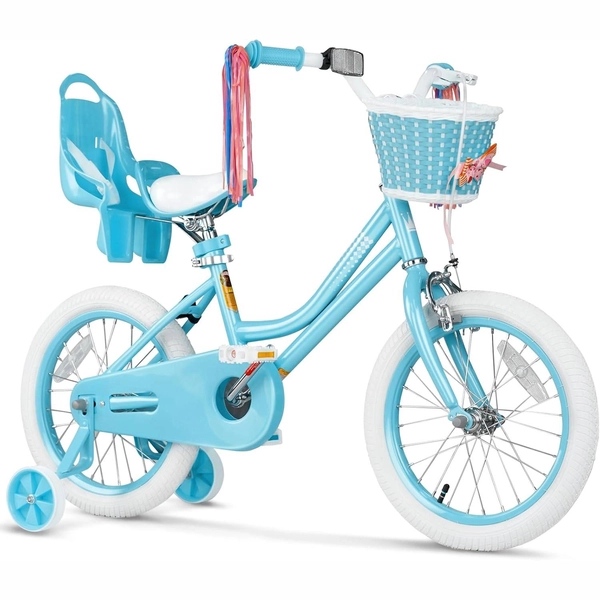
Blue XJD Girls Bike with Training Wheels – 12/14/16 Inch
If you're shopping for a first pedal bike for a daughter roughly 3 to 8 years ol…
Training Wheel Bikes Wheel Size 12 Inch / 14 Inch / 16 Inch Recommended Height 86–122 cm Training Wheels Yes 16 Inch -
Save 16%
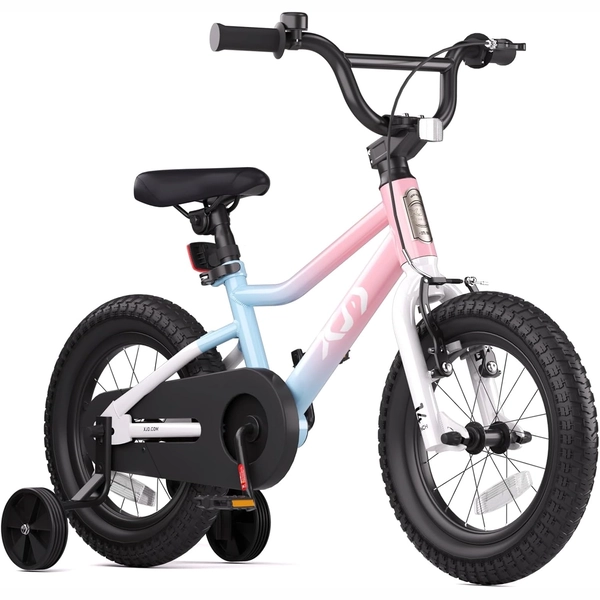
XJD Girls BMX Bike 12/14/16 Inch with Training Wheels – Pink Blue
The XJD Girls BMX Bike in Pink/Blue is built as a first pedal bike for kids roug…
Kids' BMX Bikes Wheel Size 12 Inch / 14 Inch / 16 Inch Recommended Height 86–122 cm Training Wheels Yes Single Speed 12 Inch -
Save 5%
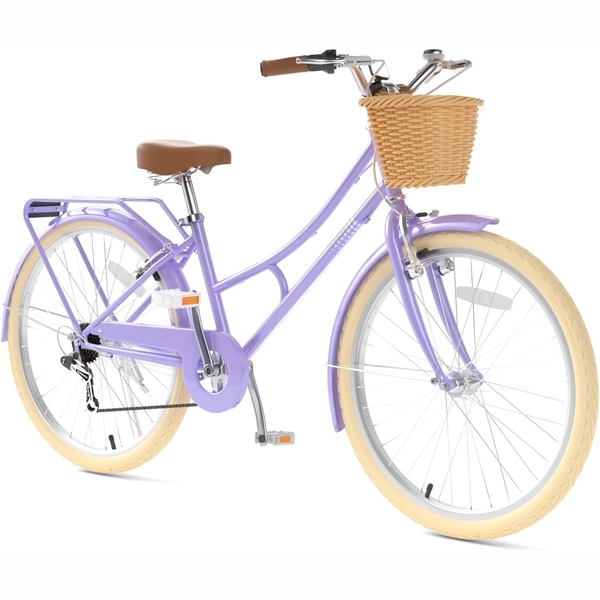
26-Inch XJD Beach Cruiser Bike for Girls – Purple, V-Brake
This XJD 26-inch purple beach cruiser is sized for big kids and teens — suggeste…
Beach Cruiser Bikes Wheel Size 20 Inch / 24 Inch / 26 Inch Recommended Height 122–200 cm Training Wheels No Geared Purple / 26 Inch -
Save 14%
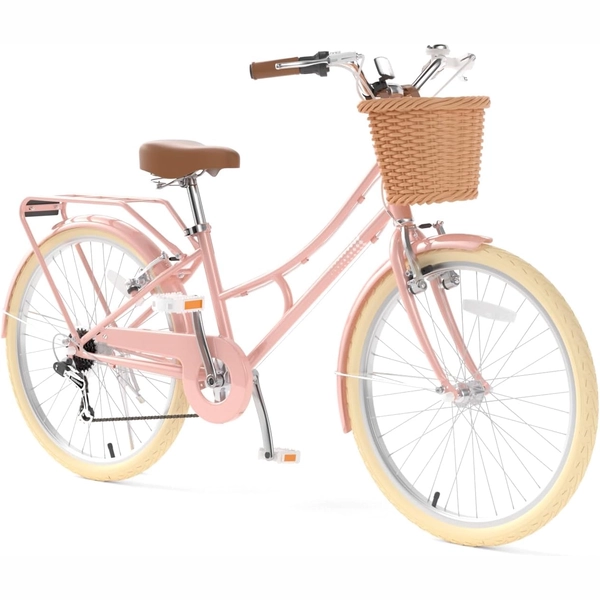
XJD Pink Beach Cruiser for Girls – Rear Rack & V-Brake
The XJD Pink Beach Cruiser for girls is the step-up bike for riders who've outgr…
Beach Cruiser Bikes Wheel Size 20 Inch / 24 Inch / 26 Inch Recommended Height 122–200 cm Training Wheels No Geared 20 Inch