When should a child ride a bike without training wheels
A child should ride without training wheels when they can balance, steer, start, stop and brake with control on a correctly fitted bike—not at a fixed age.
Use skills, not age, as the deciding test
Training wheels can come off when your child can keep the bicycle upright with little reliance on them, look ahead while steering, and stop when asked without panic. They should also understand simple instructions and have enough confidence to practise without being forced.
Age is only a starting point for choosing a wheel size. Readiness depends on the individual rider and can arrive earlier or later than it does for another child. Do not remove the wheels merely because friends of the same age have progressed.
Measure the child and check the bicycle
Measure height without shoes and check inseam as well. Then have the child try the actual bicycle. They need comfortable stand-over clearance, an unstrained reach to the handlebar, and reliable access to the brake controls. The child should be able to mount, steer and stop without stretching or losing control.
Do not buy an oversized bicycle for the child to grow into. A wheel-size label cannot confirm fit on its own because bicycle geometry and a rider's proportions vary. Use these XBikes starting points, then confirm fit and control on the exact bike:
| Wheel size | Starting age | Rider height |
|---|---|---|
| 12 Inch | 3–4 | 34–40 in / 86–102 cm |
| 14 Inch | 3–6 | 37–45 in / 94–114 cm |
| 16 Inch | 4–7 | 40–48 in / 102–122 cm |
| 18 Inch | 5–9 | 43–52 in / 109–132 cm |
| 20 Inch | 7–12 | 48–60 in / 122–152 cm |
Prioritize measured height, inseam, reach, brake control and current confidence over the age column. If the child cannot comfortably control the bicycle, changing the training wheels will not correct a poor fit.
Run a short readiness check
In a flat, open area away from traffic, supervise the child and observe rather than guessing. A properly fitting bicycle helmet should sit level and use its straps according to the helmet manufacturer's instructions.
- Ask the child to ride straight, turn both directions and stop at a marked point.
- Watch the training wheels. If they carry the rider through most of the route, more balance practice is needed. If they touch only occasionally, the child may be close.
- Confirm that the child looks forward rather than down and can respond to a stop instruction.
- Check that starting, braking and putting a foot down are deliberate rather than panicked.
For removal or adjustment procedures, use the exact bicycle's product manual or ask a qualified bicycle mechanic. Do not improvise compatibility, assembly or torque instructions.
How to make the transition
Choose a calm practice session on a level, traffic-free surface. Keep early attempts short. Once the training wheels have been removed correctly, let the child practise controlled starts, straight riding, wide turns and planned stops. Stay close enough to assist, but avoid pulling the handlebar because that takes steering control away from the rider.
Pause and restore an appropriate practice setup if the child repeatedly cannot remain upright, reach the controls, stop predictably or wants to quit. A setback means the current combination of fit, skill or confidence is not ready; it does not establish a new age deadline.
Where these training-wheel bikes are relevant
The supplied catalog options are useful when your child still needs a training-wheel bicycle or when you are comparing available wheel-size labels before an individual fit check. Together they cover 12, 14 and 16 Inch choices, with one option extending to 20 Inch; the catalog facts do not establish fit or readiness by themselves.
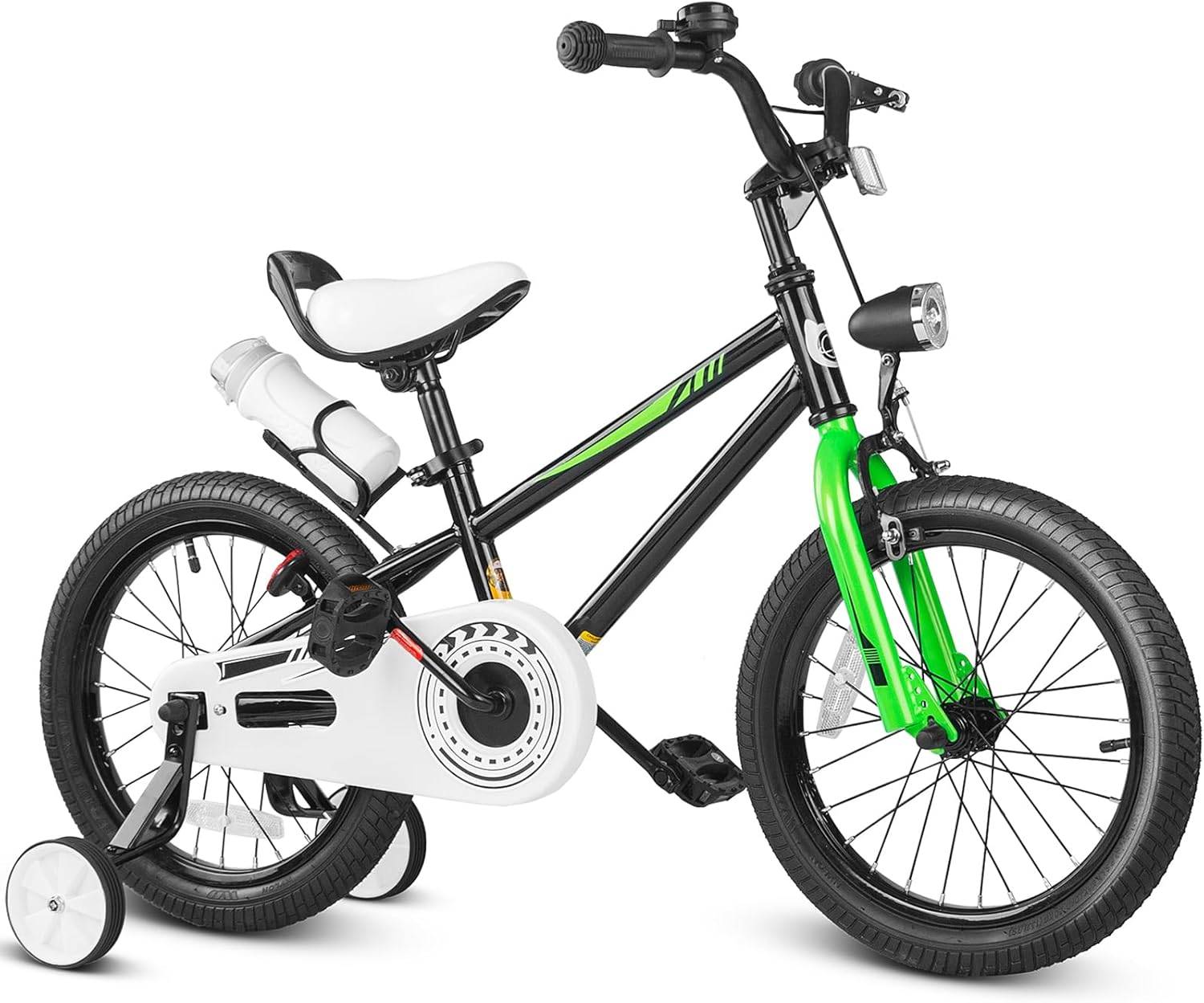 Black XJD Kids Bike for Boys – 12, 14 & 16 Inch Sizes
Available in 12 Inch, 14 Inch and 16 Inch labels, this training-wheel bike is relevant for comparing a measured rider with XBikes size starting points before checking individual fit and control.
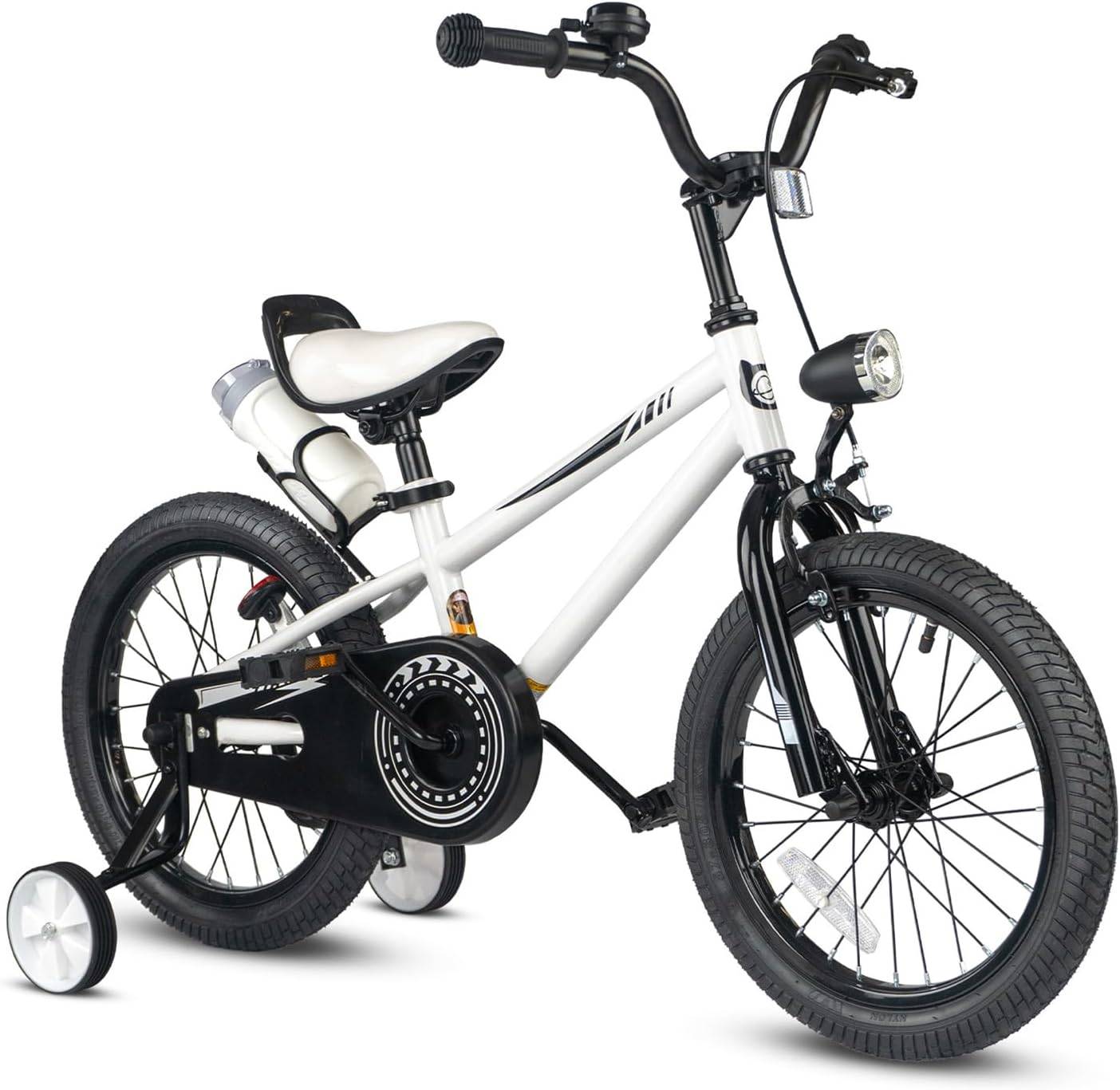 XJD Kids' Training Wheel Bike for Boys & Girls, 12/14/16 Inch – White
This white training-wheel bike offers 12 Inch, 14 Inch and 16 Inch SKU labels. Use those labels as initial comparison points, then verify the child's height, inseam, reach, braking and confidence.
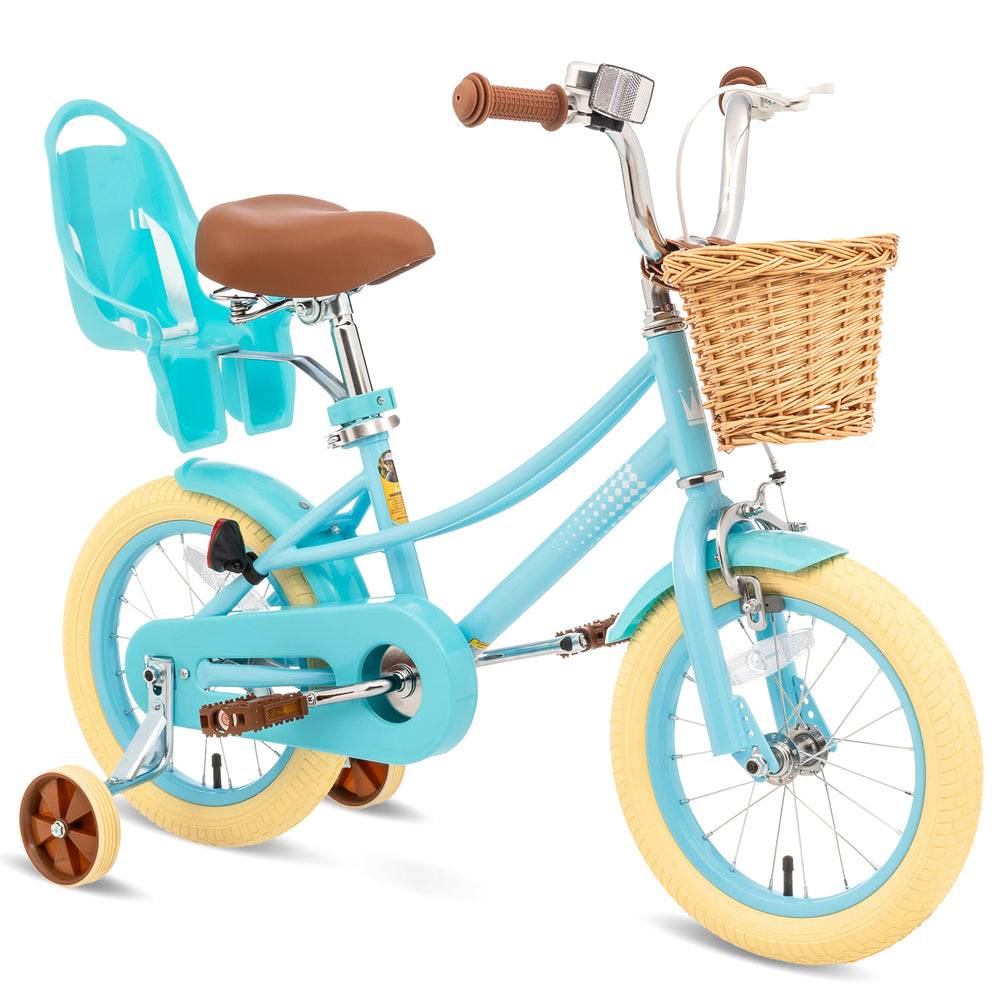 Girls' Training Wheel Bike by XJD, 12–20 Inch Wheels – Blue
With 12 Inch, 14 Inch, 16 Inch and 20 Inch SKU labels, this training-wheel bike spans the broadest supplied size selection, but each choice still requires an individual fit and control check.
Black XJD Kids Bike for Boys – 12, 14 & 16 Inch Sizes and XJD Kids' Training Wheel Bike for Boys & Girls, 12/14/16 Inch – White each have 12 Inch, 14 Inch and 16 Inch SKU labels. Compare the child's measured height with the table, then check inseam, reach, braking and confidence on the selected bicycle.
Girls' Training Wheel Bike by XJD, 12–20 Inch Wheels – Blue has 12 Inch, 14 Inch, 16 Inch and 20 Inch SKU labels. Its additional 20 Inch choice provides a catalog comparison point for riders starting around 48–60 in / 122–152 cm and ages 7–12, but only an individual fit check can confirm suitability.
These products are not relevant if the child needs a wheel size outside their listed SKUs, already has a correctly fitted bicycle suitable for practice, or cannot yet demonstrate basic control. No supplied product fact establishes how its training wheels are removed, so follow its exact manual or consult a qualified mechanic.
Make the decision today
Remove the training wheels only if the bicycle fits and your child can steer, brake, stop on request and ride with minimal support from them. If any check fails, keep practising and reassess later rather than using age as the deadline.
Recommended products
-
Save 13%
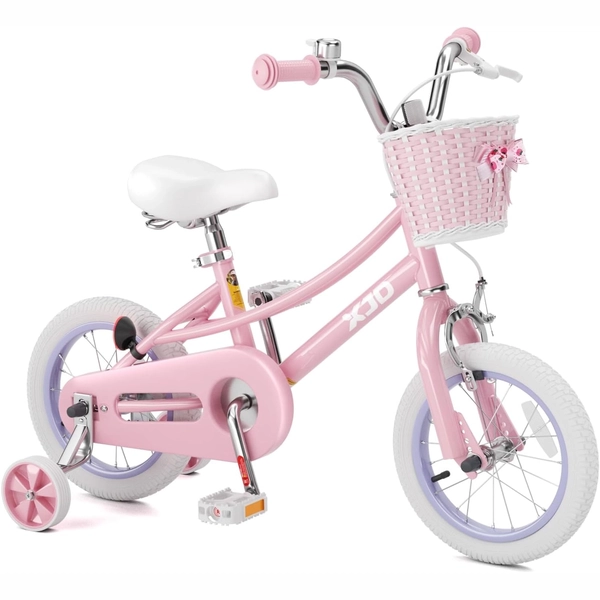
Pink 12/14/16/20" XJD Girls Bike with Training Wheels & Basket
The Pink XJD Girls Bike with Training Wheels & Basket is a first-bike pick f…
Training Wheel Bikes Wheel Size 12 Inch / 14 Inch / 16 Inch / 20 Inch Recommended Height 86–152 cm Training Wheels Yes Single Speed 12 Inch -
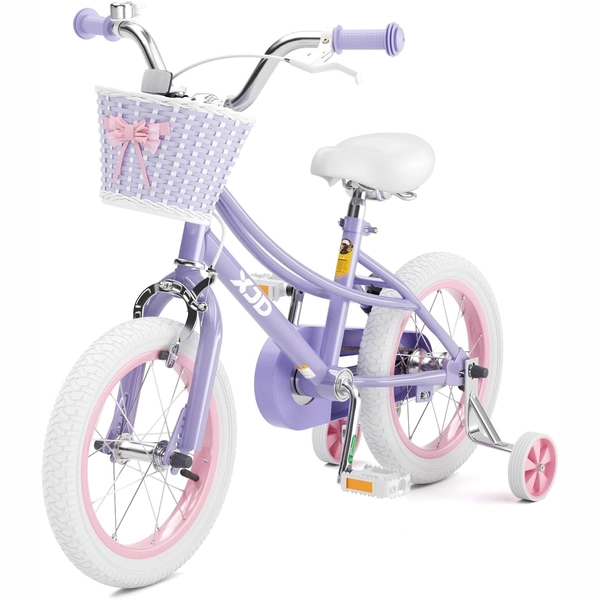
Girls' Training Wheel Bike by XJD with Basket – Purple
If you're shopping for a first bike for a girl roughly 3 to 12 years old (91–152…
Training Wheel Bikes Wheel Size 14 Inch / 16 Inch / 20 Inch Recommended Height 94–152 cm Training Wheels Yes Single Speed 14 Inch -
Save 11%
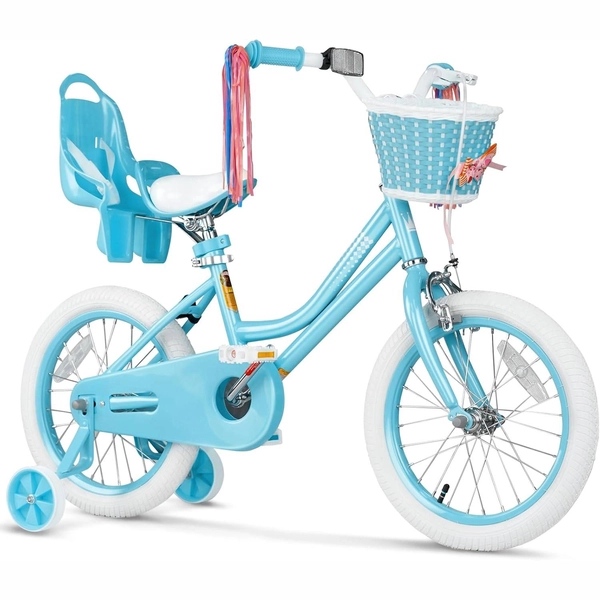
Blue XJD Girls Bike with Training Wheels – 12/14/16 Inch
If you're shopping for a first pedal bike for a daughter roughly 3 to 8 years ol…
Training Wheel Bikes Wheel Size 12 Inch / 14 Inch / 16 Inch Recommended Height 86–122 cm Training Wheels Yes 16 Inch -
Save 15%
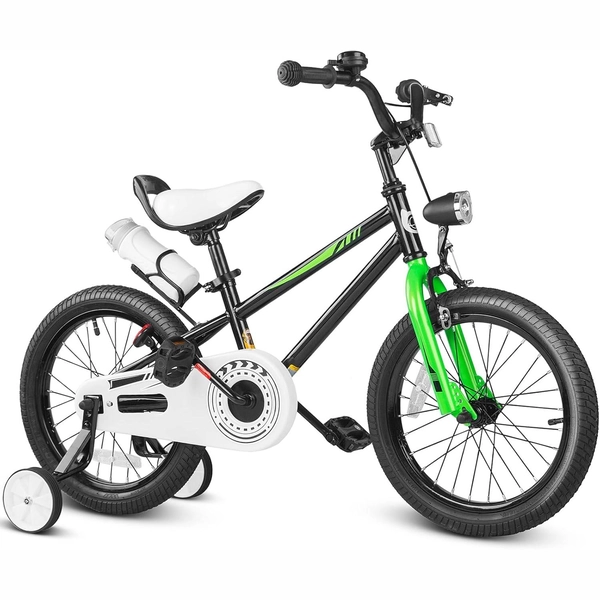
Black XJD Kids Bike for Boys – 12, 14 & 16 Inch Sizes
For a son between roughly 3 and 8 years old, the XJD Kids Bike in Black covers t…
Training Wheel Bikes Wheel Size 12 Inch / 14 Inch / 16 Inch Recommended Height 86–122 cm Training Wheels Yes 12 Inch