Kids Bike Brake Cable Loose: Safe Adjustment Checks
A kids bike brake cable loose may let the lever approach the grip before the pads engage, but excess travel can also come from worn pads, unseated housing, a slipping anchor, or a damaged cable. Do not simply pull more cable through the clamp. Park the bicycle and inspect the entire mechanical brake path from the child's hand to the wheel.
Confirm the lever symptom
With the bicycle stationary, apply each brake separately and compare lever travel, return, and firmness. The lever must not trap fingers against the grip before useful braking. Note whether the change appeared suddenly or gradually. A sudden increase can indicate a slipped anchor or failed strand and is a stop-riding condition, even if the other brake still works.
Inspect cable and housing
Follow the inner cable through every housing section, ferrule, guide, and bend. Look for broken strands, rust, kinks, split housing, a cap pulled from its stop, or cable contact during steering. Never run bare fingers along a frayed wire. Damaged cable or housing requires compatible replacement; oil must not reach rims, rotors, or pads.
Check pads and brake arms
Observe pad thickness, contact area, arm return, and clearance with the wheel correctly seated. A barrel adjuster cannot compensate for a pad that contacts the tire, a loose caliper, or parts beyond wear limits. Disc, V-brake, caliper, and U-brake systems use different procedures. Identify the installed brake before changing cable tension.
Use adjusters within their range
Fine adjustment may use a barrel at the lever or brake, while larger corrections may require a cable-anchor procedure. Follow the manual and preserve enough thread engagement in every adjuster. Do not leave an adjuster almost unscrewed, clamp onto frayed wire, or substitute a knot. Tighten anchors to the specified torque and cap cut cable ends.
Settle and test the repair
Squeeze the lever firmly several times to seat housing and verify the anchor does not slip. Turn the handlebar fully and confirm cable travel stays consistent. Spin the wheel for release, then let an adult test each brake while walking and at low speed on dry level ground. Changing travel, weak power, or cable movement means service is incomplete.
How current product examples clarify the choice
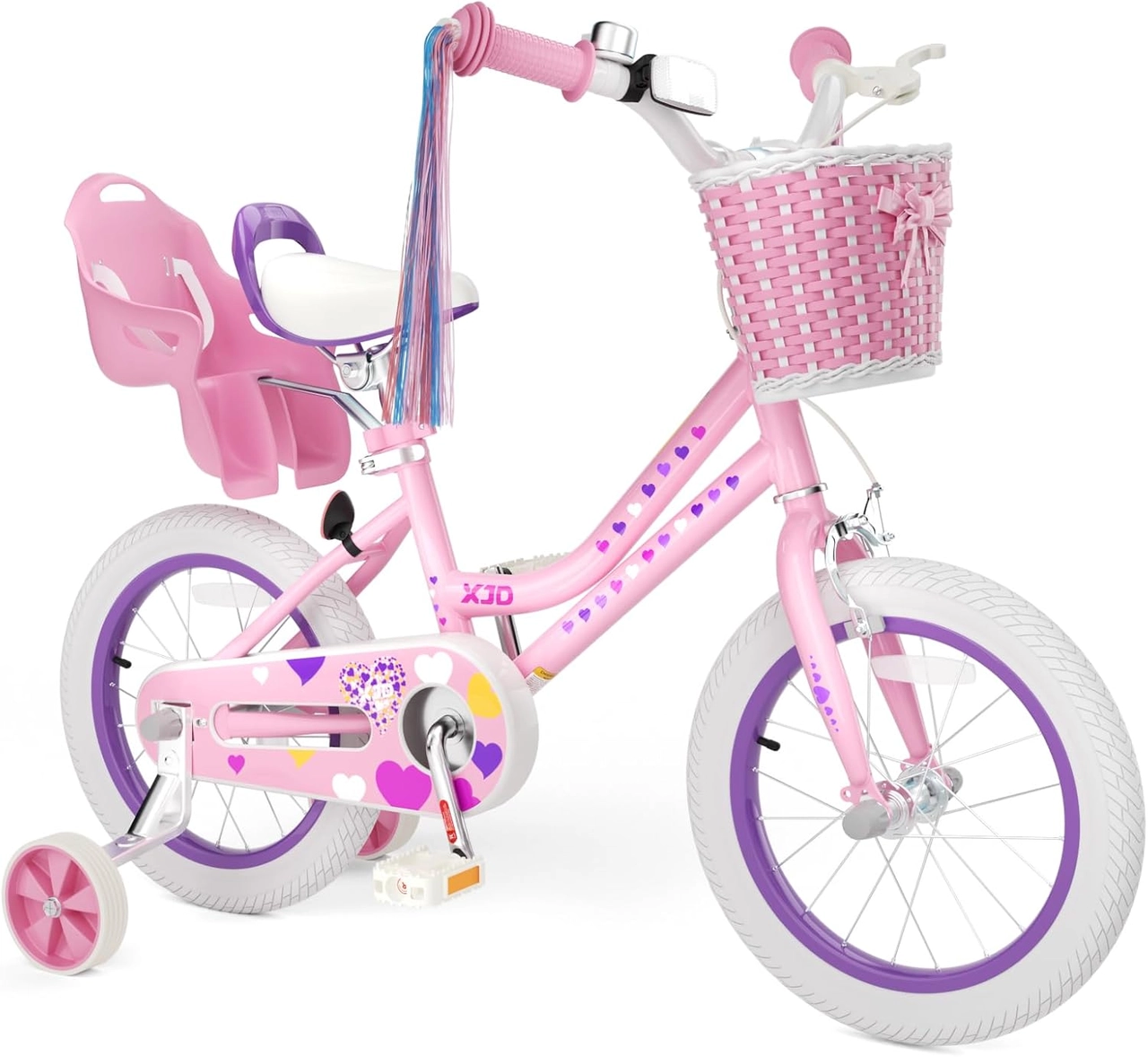
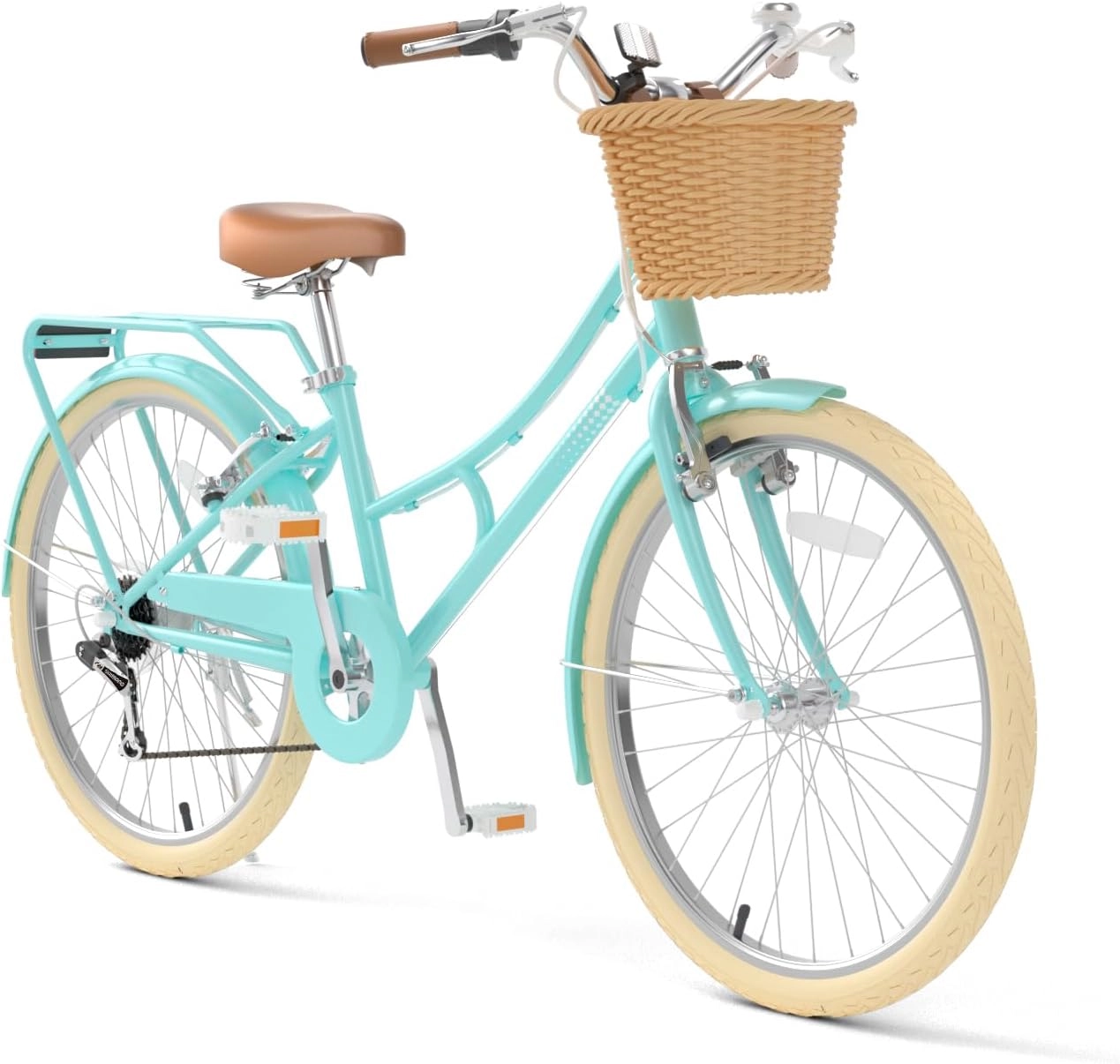
The Light Pink XJD Bike with Basket and Training Wheels and Mint Green XJD Geared Beach Cruiser use different wheel sizes and rim-brake configurations. Their control routing also passes different accessories. These examples explain why cable length, housing path, pads, and anchor method must match the actual bike rather than a generic online setting.
Related reading on this site
For the next step, compare this check with our kids bike brake guidance and brake lever safety checklist. These pages provide nearby fit, component, or maintenance context without replacing the exact product manual.
Practical checklist
- Compare both lever responses.
- Inspect every housing end.
- Identify the brake type.
- Test anchor security under firm pulls.
Frequently asked questions
Can I tighten a loose brake cable at the lever?
A barrel adjuster handles limited fine adjustment; first rule out damage, unseated housing, pad wear, and anchor slip.
Is one working brake enough for a child to ride?
No. Restore every fitted braking system and verify predictable control before use.
Before making the final choice, revisit the exact route or driving area at the time it will normally be used. A setup that works during a quiet test may need more room, visibility or adult support when other people and everyday obstacles are present.
Bottom line
Use the answer to kids bike brake cable loose as a decision process, not a shortcut. Confirm the live product data and manual, match the rider to the controls and setting, and favor repeatable control over a larger size or higher performance label.
Recommended products
-
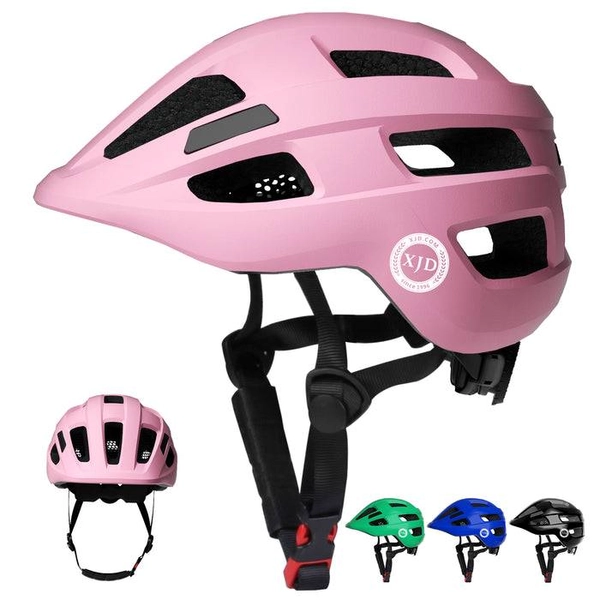
Kids Bike Helmet by XJD for Boys & Girls – Black, Blue, Green, Pink, Purple
The XJD Kids Bike Helmet covers a wide 2-to-8-year age range thanks to two head-…
Bike Helmets Pink / M:20.47"-22.05" / 52-56 cm -
Save 39%
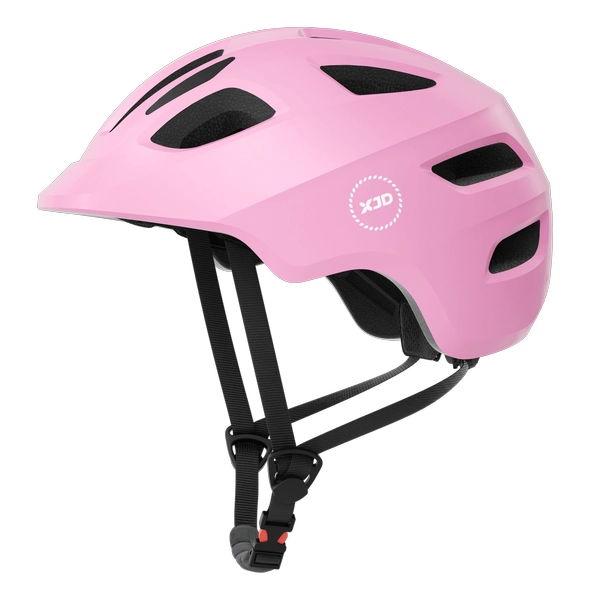
Kids Bike Helmet by XJD for Girls – Pink
The XJD Kids Bike Helmet in Pink is a lightweight multi-sport helmet for girls r…
Bike Helmets Black / S:18.11"-20.08" / 46-51 cm -
Save 12%
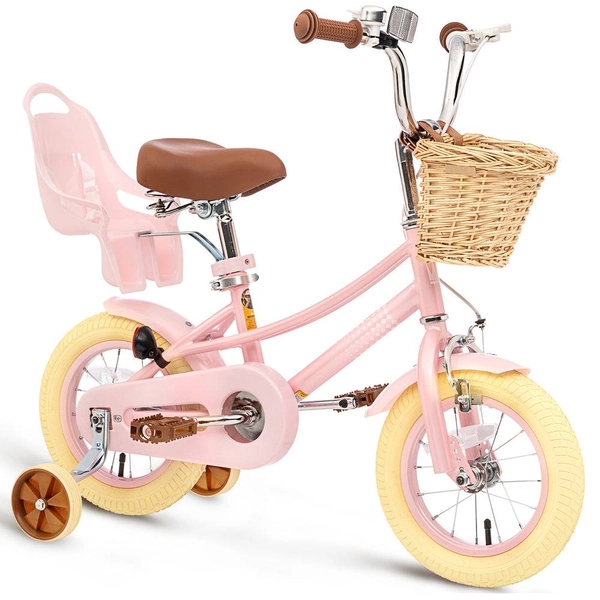
XJD Kids Bike for Girls – Pink, 12/14/16/20 Inch with Training Wheels
The XJD Kids Bike for Girls in Pink is a training-wheel bike built to carry your…
Training Wheel Bikes Wheel Size 12 Inch / 14 Inch / 16 Inch / 20 Inch Recommended Height 86–152 cm Training Wheels Yes 12 Inch -
Save 15%
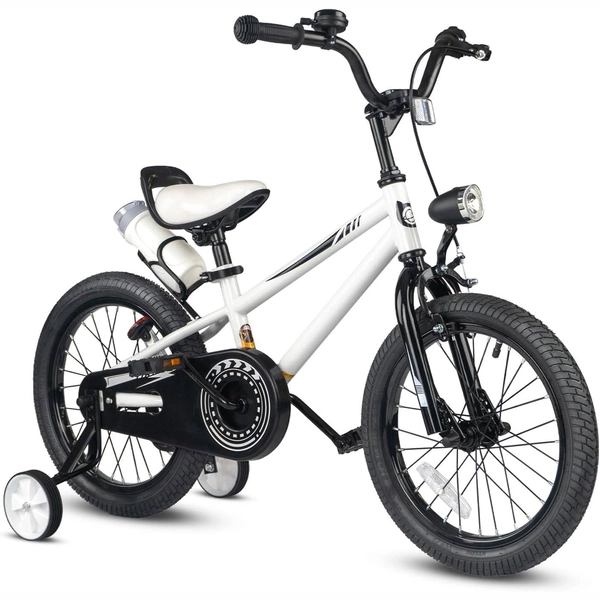
XJD Kids' Training Wheel Bike for Boys & Girls, 12/14/16 Inch – White
The XJD kids' training wheel bike in White is made for riders ages 3–8 (roughly …
Training Wheel Bikes Wheel Size 12 Inch / 14 Inch / 16 Inch Recommended Height 86–122 cm Training Wheels Yes 14 Inch