Kids Bike Tire Sidewall Cracks: Replace or Ride?
Kids bike tire sidewall cracks deserve more than a quick pressure check. Fine surface lines, deep splits, exposed casing, bulges and cuts do not carry the same risk, but a parent should not test uncertain damage with a child aboard. Deflate or move the bicycle only as appropriate, keep it parked and inspect the complete tire and rim.
Clean enough to see the damage
Use a mild method approved by the tire maker and let the sidewall dry. Examine both sides under good light while slowly rotating the wheel. Look for cracks opening under gentle visual inspection, exposed threads, deformation, cuts at the rim and rubber separating from the casing. Do not probe damage with a sharp tool.
Check pressure history and storage
Underinflation can flex and pinch sidewalls, while heat, sunlight, ozone and long storage can age rubber. Read the exact sidewall range and use a gauge; never inflate beyond it to see whether a crack expands. Record repeated pressure loss, outdoor storage and how long the tire has remained flat for service context.
Treat structural signs as stop-use
A bulge, exposed casing, deep cut, bead damage, tube showing through or crack that reaches structure requires replacement. External patches, glue, tape and rubber dressing do not restore the tire carcass. If depth is uncertain, a bicycle technician or tire maker should decide before the bike carries a child.
Inspect rim and tube causes
A sharp rim edge, damaged rim tape, incorrect tire size or trapped tube can create nearby damage. Check complete size markings and wheel condition through the approved service method. Replacing only the tube does not repair a failed sidewall, and fitting an almost-matching inch size can leave the bead unsafe.
Install and prove a compatible tire
Use a replacement whose full dimensions, pressure limits and intended use match the rim and bicycle. Inflate gradually while checking the seating line on both sides. Reinstall the wheel securely, verify brake and frame clearance, and confirm pressure remains stable before an adult-supervised low-speed ride.
How current product examples clarify the choice
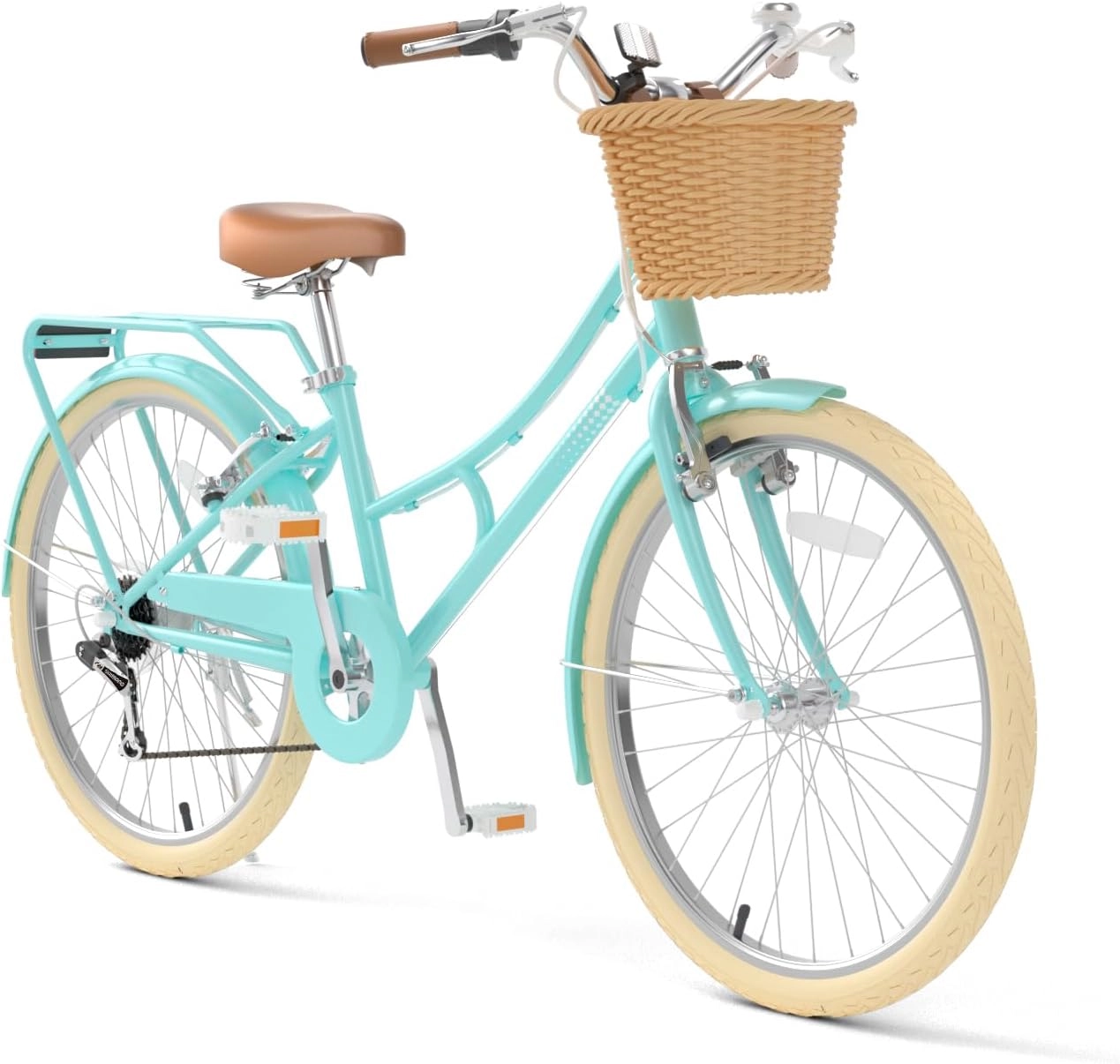
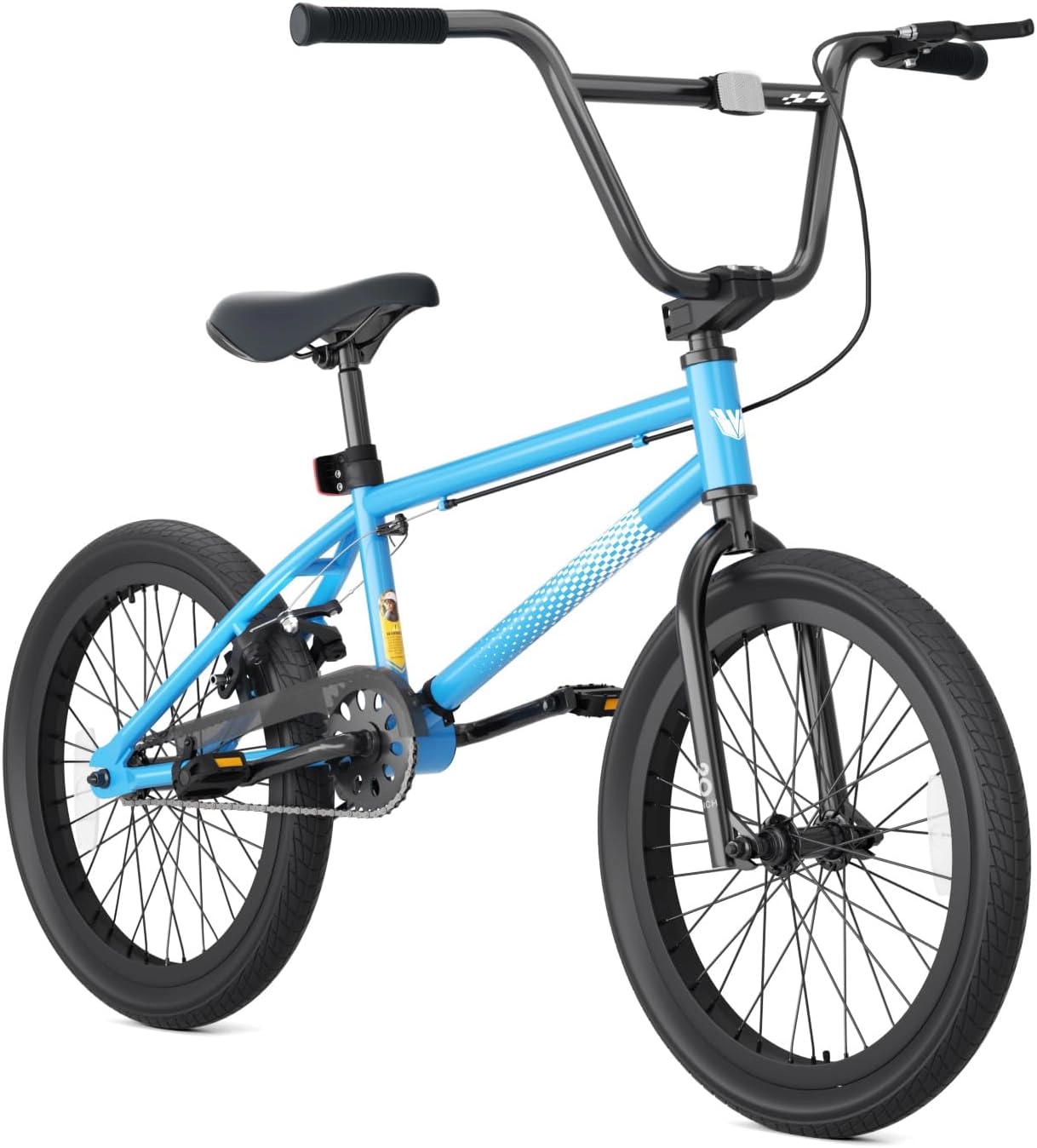
The Mint Green XJD Geared Beach Cruiser and Blue XJD 20-Inch Freestyle BMX Bike use visibly different tire formats. They show why a replacement cannot be chosen from the 20-inch label or bicycle style alone. Read the complete fitted tire and rim markings, including width and bead-seat information.
Practical checklist
- Inspect both sidewalls in good light.
- Never overinflate to test damage.
- Replace structural cracks and bulges.
- Match complete size markings.
Frequently asked questions
Can I seal sidewall cracks with glue?
No household repair restores damaged casing strength. Structural damage requires a compatible tire replacement.
Do tiny surface lines always mean immediate failure?
Not necessarily, but depth, casing condition, age and pressure history need assessment before a child rides.
Before making the final choice, revisit the exact route or driving area at the time it will normally be used. A setup that works during a quiet test may need more room, visibility or adult support when other people and everyday obstacles are present.
Bottom line
Use the answer to kids bike tire sidewall cracks as a decision process, not a shortcut. Confirm the live product data and manual, match the rider to the controls and setting, and favor repeatable control over a larger size or higher performance label.
Recommended products
-
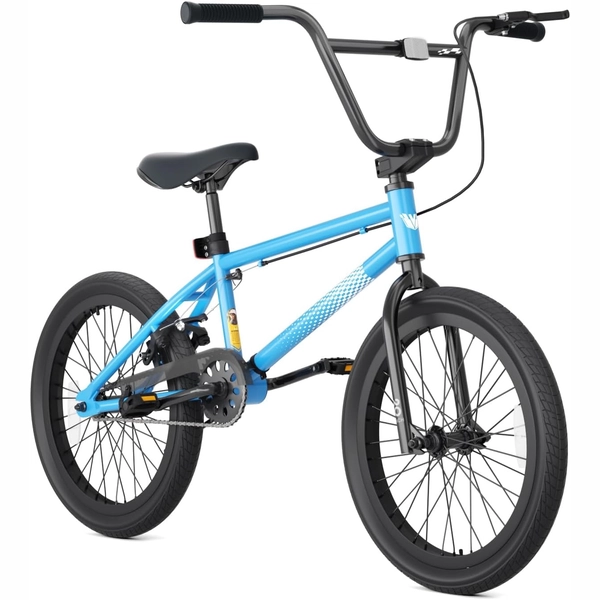
Blue XJD Freestyle BMX Bike, 20-Inch – No Pegs
The XJD 20-Inch Blue Freestyle BMX is an entry-level BMX bike for boys and girls…
Kids' BMX Bikes Wheel Size 20 Inch Recommended Height 122–152 cm Training Wheels No Single Speed -
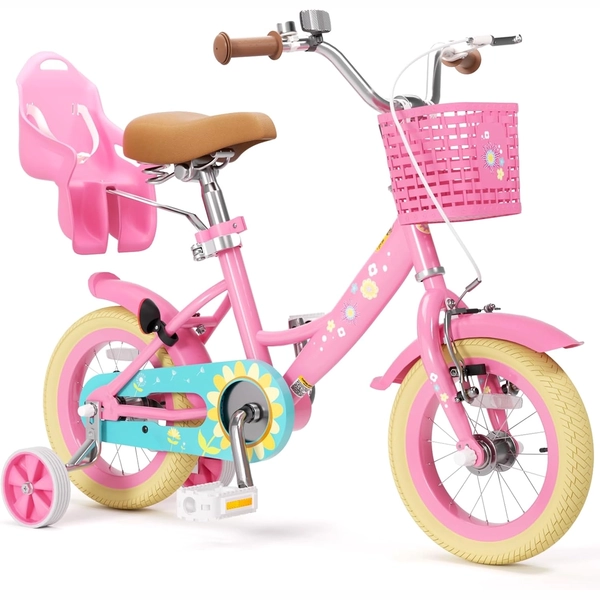
Flower Pink XJD Girls Bike with Doll Seat & Basket
The XJD Flower Pink girls' bike is made for riders 71–122 cm tall (roughly ages …
Training Wheel Bikes Wheel Size 12 Inch / 14 Inch / 16 Inch Recommended Height 86–122 cm Training Wheels Yes Geared 12 Inch -
Save 12%
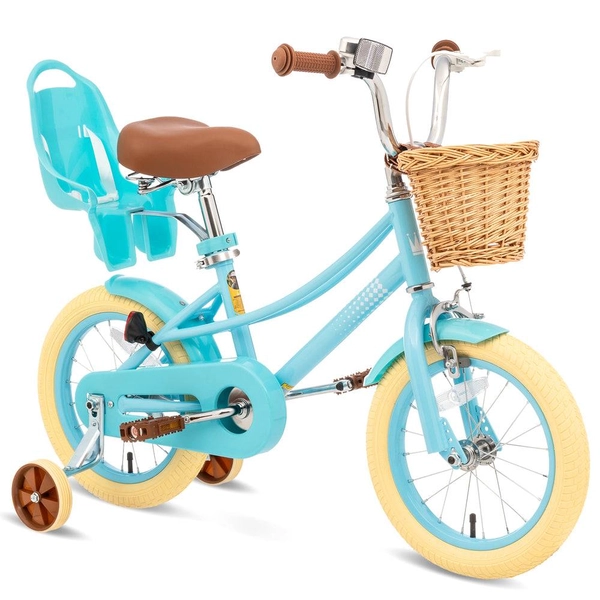
Girls' Training Wheel Bike by XJD, 12–20 Inch Wheels – Blue
This XJD girls' training wheel bike in Blue covers one of the widest fit ranges …
Training Wheel Bikes Wheel Size 12 Inch / 14 Inch / 16 Inch / 20 Inch Recommended Height 86–152 cm Training Wheels Yes 12 Inch -
Save 11%
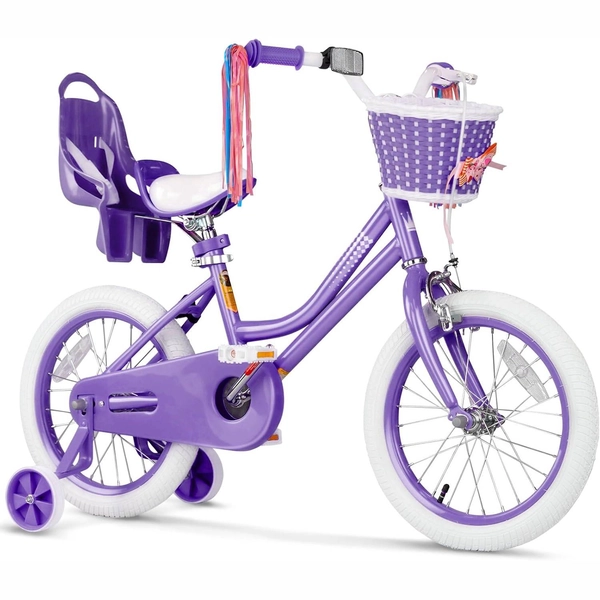
XJD Girls Bike for Kids Ages 3-8, 12/14/16 Inch with Training Wheels – Purple
The XJD Girls Bike in Purple is a training-wheel bicycle for kids ages 3 to 8, f…
Training Wheel Bikes Wheel Size 12 Inch / 14 Inch / 16 Inch Recommended Height 86–122 cm Training Wheels Yes 12 Inch