Loose Spokes on a Kids Bike: Signs and Safety
Loose spokes on a kids bike may produce clicking, unequal spoke feel, rim movement or intermittent brake rub. Spokes work together to support and center the rim, so tightening one by guesswork can create new distortion or excessive tension elsewhere. Keep the child off the bicycle until the wheel, spoke nipples and retention are properly inspected.
Look and listen before touching
Rotate the wheel slowly using an approved support, keeping hands away from moving spokes and brakes. Watch the rim against a fixed reference such as the brake pad and listen for repeating clicks. Stop for a broken spoke, sharp end, cracked rim, large wobble or tire damage. Do not ride to see whether noise disappears.
Use only a gentle comparison
With the wheel stationary, compare nearby spoke pairs by light hand pressure only if the manual permits. A dramatically different feel can be a clue, but pitch and finger pressure are not calibrated tension measurements. Do not squeeze hard, twist spokes together or assume every wheel should sound identical.
Check the complete wheel
Confirm axle retention, rim condition, tire seating and hub play before blaming spokes. A loose hub or poorly seated wheel can mimic a truing problem. Inspect where each spoke enters the rim and hub for corrosion, cracks or pulled holes. Missing or damaged parts require compatible service, not extra nipple turns.
Understand why adjustment is connected
Changing one spoke affects neighboring tension and rim position in multiple directions. Correct work may require a truing stand, tension information and small balanced changes. Random tightening can make the wheel round but overstressed. A bicycle technician should handle broken spokes, repeated loosening, significant wobble or an unfamiliar wheel.
Check brakes after wheel service
After qualified truing or spoke replacement, verify the wheel is centered and secure, the tire is seated, and brake pads contact only their intended surface. Rotate through several revolutions and test both brakes. An adult completes a low-speed ride before the child returns, then follows the stated recheck interval.
How current product examples clarify the choice
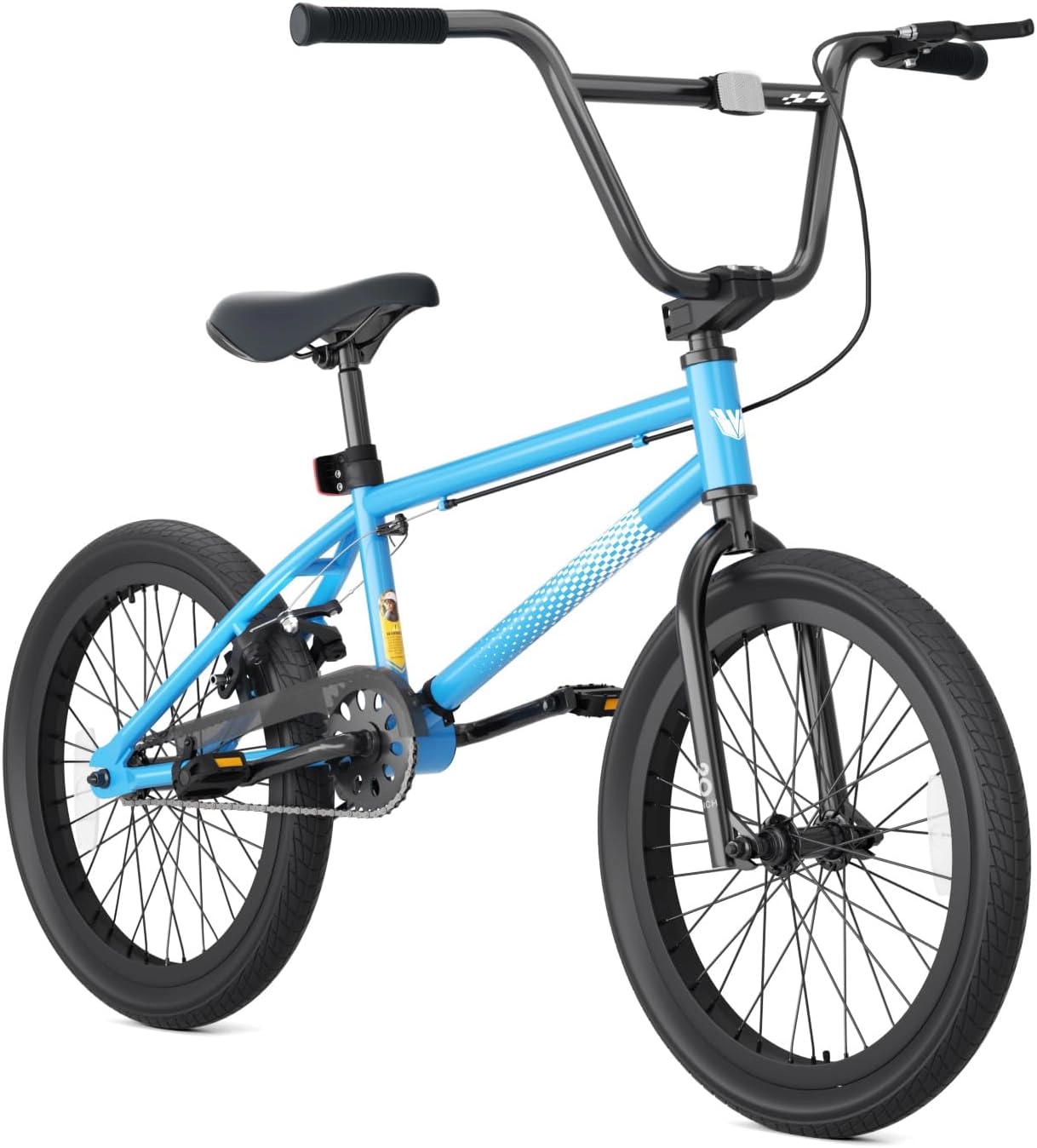
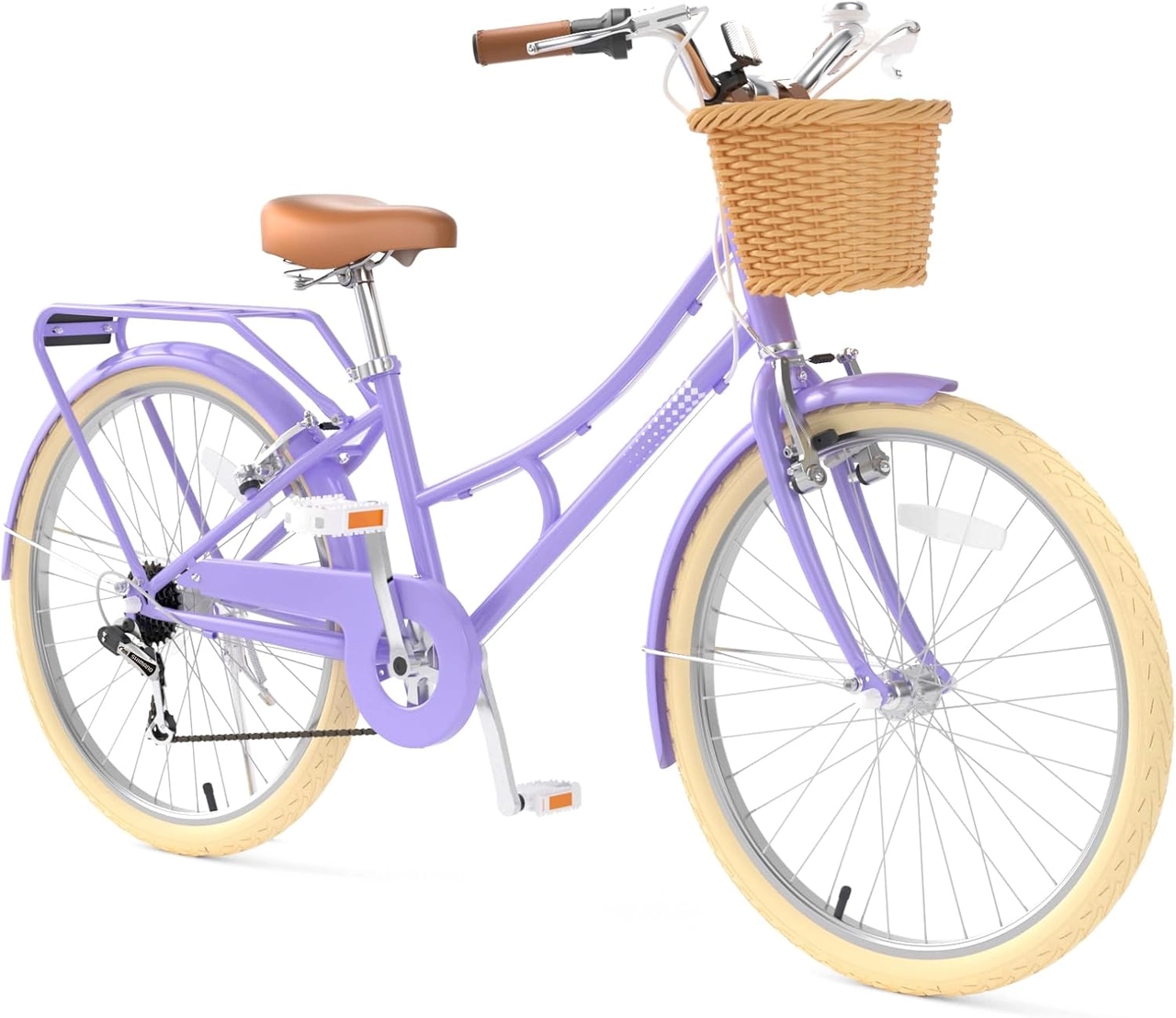
The Blue XJD 20-Inch Freestyle BMX Bike and Purple XJD 24-Inch Beach Cruiser differ in wheel size, tire width and brake configuration. Those differences affect how rim movement is noticed, but not the central rule: spoke tension is a whole-wheel system and replacement parts must match the actual wheel.
Practical checklist
- Stop for a broken spoke.
- Compare gently, never by force.
- Rule out hub and axle movement.
- Recheck brakes after truing.
Frequently asked questions
Can one loose spoke be tightened until it matches by sound?
Sound alone is not a reliable specification, and changing one spoke affects the whole wheel. Use proper wheel-service methods.
Can a child ride with one broken spoke?
Keep the bike parked until the wheel is assessed and repaired; a broken spoke can affect alignment and leave a sharp end.
Before making the final choice, revisit the exact route or driving area at the time it will normally be used. A setup that works during a quiet test may need more room, visibility or adult support when other people and everyday obstacles are present.
Bottom line
Use the answer to loose spokes on a kids bike as a decision process, not a shortcut. Confirm the live product data and manual, match the rider to the controls and setting, and favor repeatable control over a larger size or higher performance label.
Recommended products
-
Save 12%
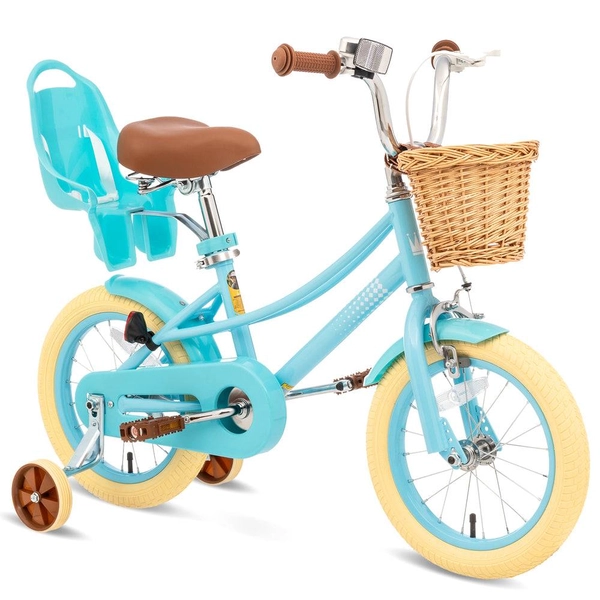
Girls' Training Wheel Bike by XJD, 12–20 Inch Wheels – Blue
This XJD girls' training wheel bike in Blue covers one of the widest fit ranges …
Training Wheel Bikes Wheel Size 12 Inch / 14 Inch / 16 Inch / 20 Inch Recommended Height 86–152 cm Training Wheels Yes 12 Inch -
Save 11%
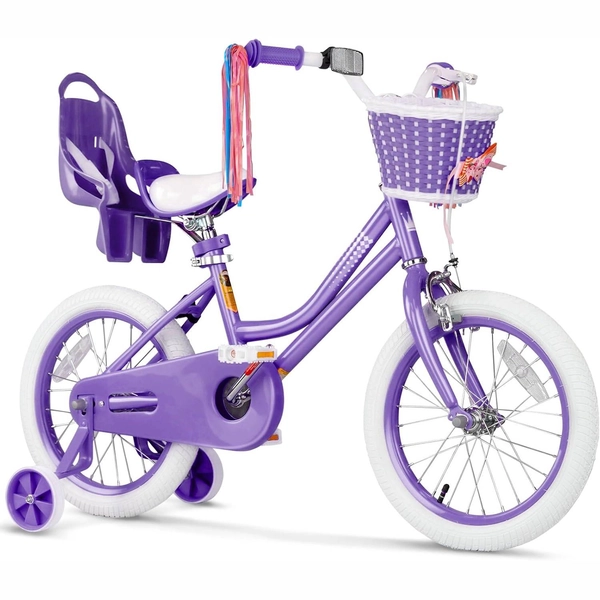
XJD Girls Bike for Kids Ages 3-8, 12/14/16 Inch with Training Wheels – Purple
The XJD Girls Bike in Purple is a training-wheel bicycle for kids ages 3 to 8, f…
Training Wheel Bikes Wheel Size 12 Inch / 14 Inch / 16 Inch Recommended Height 86–122 cm Training Wheels Yes 12 Inch -
Save 11%
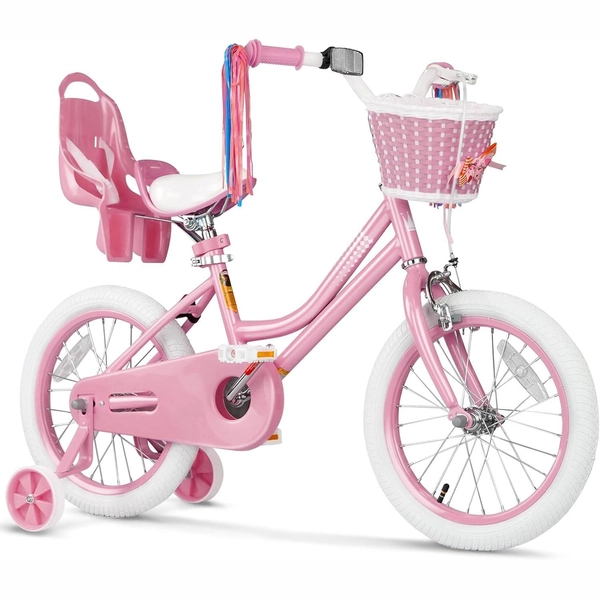
XJD Pink Girls' Bike – Kids 12/14/16 Inch Training Wheel Bicycle
The XJD Pink Girls' Bike is a training-wheel bicycle for girls ages 3 to 8 (ride…
Training Wheel Bikes Wheel Size 12 Inch / 14 Inch / 16 Inch Recommended Height 86–122 cm Training Wheels Yes 14 Inch -
Save 11%
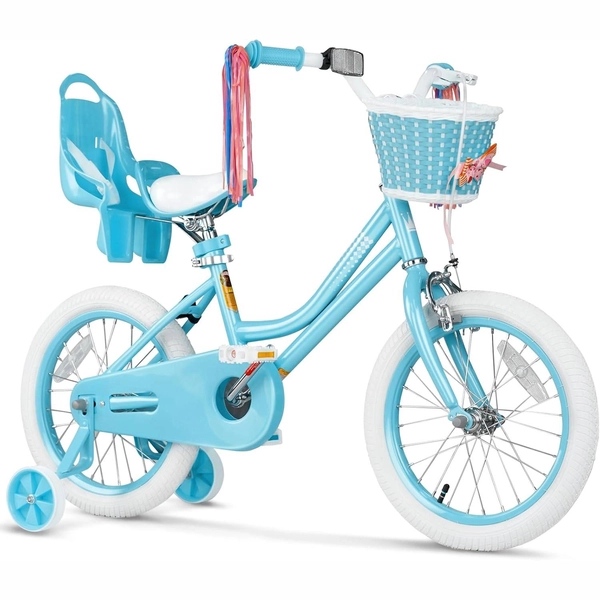
Blue XJD Girls Bike with Training Wheels – 12/14/16 Inch
If you're shopping for a first pedal bike for a daughter roughly 3 to 8 years ol…
Training Wheel Bikes Wheel Size 12 Inch / 14 Inch / 16 Inch Recommended Height 86–122 cm Training Wheels Yes 16 Inch