

What size bicycle for a 12 year old boy
For most 12-year-old boys, start by comparing 20-inch and 24-inch bicycles. Measure his height first: 20-inch suits 48–60 in (122–152 cm), while 24-inch suits 54–64 in (137–163 cm). If he is over 60 in (153 cm), include 26-inch bikes in the fit check.
Choose the starting size from measured height
Age narrows the search, but it cannot confirm fit. Use the rider’s current height—not an estimate of future growth—to choose which bicycles he should try.
| Wheel size | XBikes age starting point | Rider height starting point |
|---|---|---|
| 20 Inch | Ages 7–12 | 48–60 in / 122–152 cm |
| 24 Inch | Ages 10–14 | 54–64 in / 137–163 cm |
| 26 Inch | Youth and adults | Over 60 in / 153 cm |
The ranges overlap deliberately. A 12-year-old who is 55 inches tall falls within both the 20-inch and 24-inch starting ranges, so he should try both. Height only identifies candidates; inseam, reach, brake control and confidence determine which one fits.
Measure height and inseam correctly
- Measure height: Have him stand barefoot against a wall, looking straight ahead. Mark the top of his head and measure from the floor.
- Measure inseam: With feet slightly apart, place a firm, level book between his legs to simulate the saddle contact point. Measure vertically from the floor to the book’s top edge.
- Record both measurements: Bring them when comparing bicycles, but still have him try each candidate in person whenever possible.
Wheel size is not frame size. Two bicycles with the same wheel label may differ in frame shape, saddle range and handlebar position. That is why an inseam measurement and an actual fit check remain necessary.
What to check while he sits and stands
Ask him to straddle the bicycle’s top tube with both feet planted firmly on the ground. There should be usable clearance rather than pressure against his body. Then set the saddle according to the exact product manual and check whether he can start, stop and put a foot down without panic or an awkward lean.
With his hands on the bars, look for a relaxed position. He should not have to stretch excessively, lock his elbows or twist his wrists to steer. He must be able to reach and operate the brakes confidently while maintaining control. If he cannot, reject that bicycle even when the height chart appears to match.
How the supplied XBikes options compare
These catalog options provide useful 20-inch, 24-inch and 26-inch comparison points for a 12-year-old. Their listed sizes let you narrow the trial, while their exact configurations help distinguish bicycle styles; none replaces the individual stand-over, reach and brake check.
 XJD Kids Beach Cruiser Bicycle, Rear Rack & V-Brakes, Mint Green
Offers listed 20 Inch, 24 Inch and 26 Inch choices, making it useful for comparing the height-based starting points before checking stand-over, reach, braking and confidence.
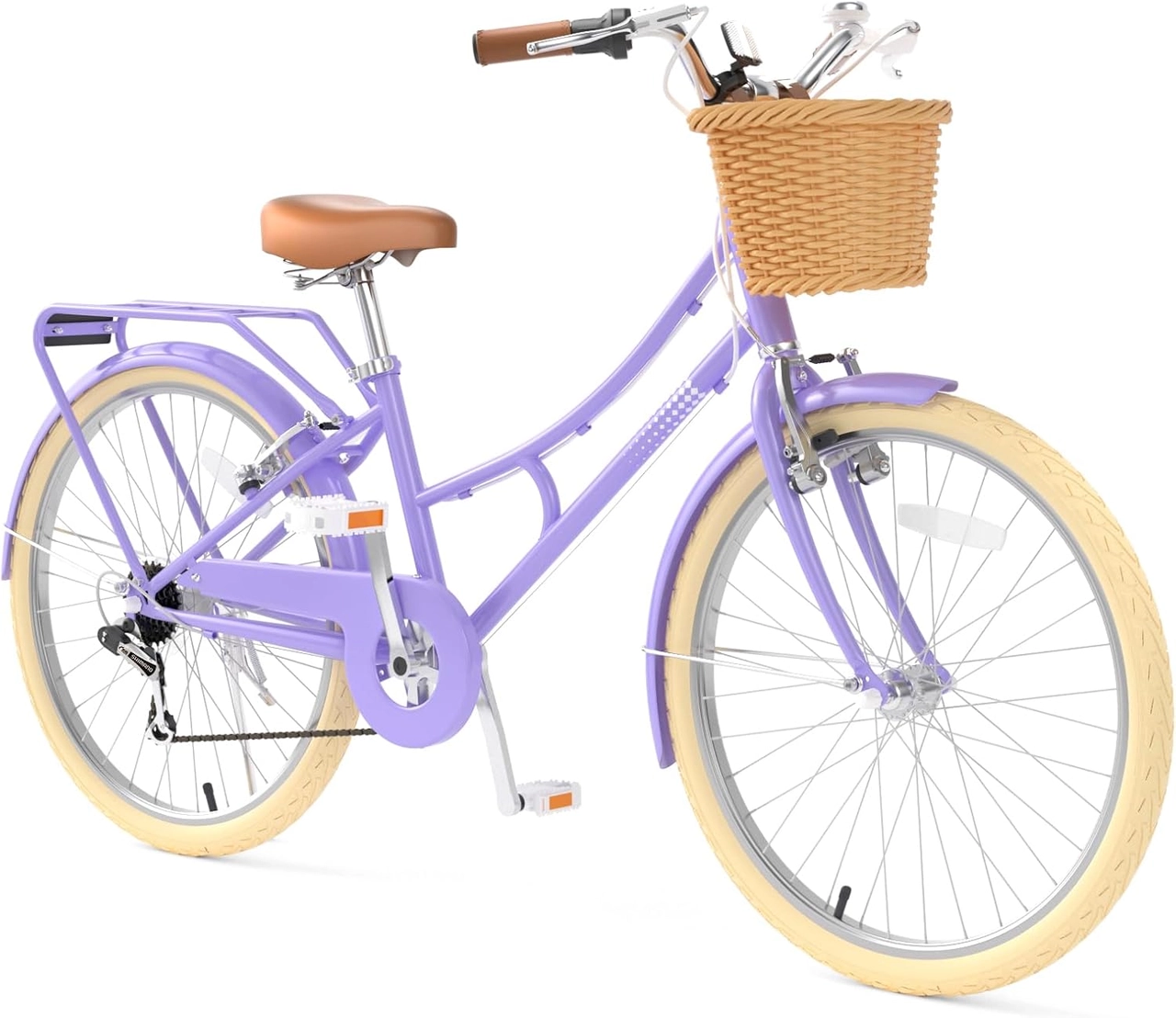 24-Inch Purple XJD Beach Cruiser Bike with U-Brake
A 24-inch beach cruiser comparison for riders whose measured height falls within the supplied 54–64 in (137–163 cm) starting range, subject to an individual fit check.
 Blue XJD Freestyle BMX Bike, 20-Inch – No Pegs
A 20-inch BMX comparison for the supplied 48–60 in (122–152 cm) height range; it remains relevant only if the rider can comfortably straddle, reach, steer and brake.
- XJD Kids Beach Cruiser Bicycle, Rear Rack & V-Brakes, Mint Green has listed 20 Inch, 24 Inch and 26 Inch choices. Compare only the choice supported by his measured height, then verify the complete fit.
- 24-Inch Purple XJD Beach Cruiser Bike with U-Brake is a 24-inch comparison option. Its wheel size starts at ages 10–14 and heights of 54–64 in (137–163 cm), but those ranges do not guarantee control.
- Blue XJD Freestyle BMX Bike, 20-Inch – No Pegs is a 20-inch comparison option. The XBikes starting range is ages 7–12 and heights of 48–60 in (122–152 cm); reach, stand-over and confidence still decide suitability.
The beach-cruiser and BMX catalog topics describe different bicycle categories, not fit outcomes. Do not infer geometry, riding capability or suitability beyond the supplied titles, categories and size labels. For assembly, maintenance, compatibility, load limits or torque, follow the exact product manual or consult a qualified bicycle mechanic.
Do not size up only for growth
An oversized bicycle can make mounting, steering, braking and stopping harder. Do not choose a 24-inch bike merely because a 12-year-old may grow into it, or a 26-inch bike simply because it sounds longer-lasting. If the larger candidate compromises stand-over clearance, reach or brake operation, choose a properly fitting smaller candidate and reassess later.
Current confidence matters too. A rider who is technically inside two height ranges may control the smaller option more comfortably. Conversely, a taller, confident rider may fit the larger option—but only after demonstrating calm starts, turns and stops.
Complete the decision safely
After identifying a controllable fit, add a properly fitting bicycle helmet. It should sit level and its straps should be adjusted according to the helmet manufacturer’s instructions.
Next step: measure your 12-year-old’s height and inseam today, shortlist 20-inch, 24-inch or—only above 60 inches—26-inch candidates, and have him reject any bicycle he cannot comfortably straddle, reach, steer and brake.
Bikes for your next adventure
-

XJD Girls Bike for Kids Ages 3-8, 12/14/16 Inch with Training Wheels – Purple
The XJD Girls Bike in Purple is a training-wheel bicycle for kids ages 3 to 8, f…$149
$169 -

Pink Girls' 12/14/16" Bike by XJD – Basket & Doll Seat
The XJD Pink Girls' Bike with Basket & Doll Seat is made for riders 71–122 cm ta…$75.99
$99.99 -
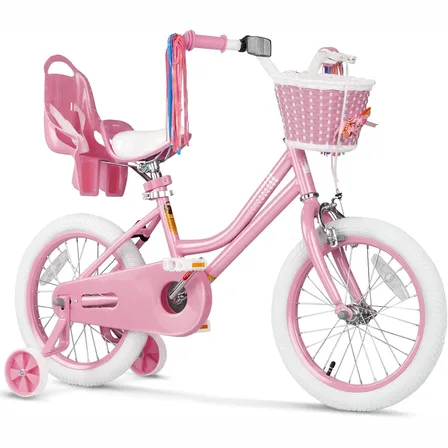
XJD Pink Girls' Bike – Kids 12/14/16 Inch Training Wheel Bicycle
The XJD Pink Girls' Bike is a training-wheel bicycle for girls ages 3 to 8 (ride…$149
$169