

What size bike for 56 inch boy
A 56-inch boy is within both the 20-inch and 24-inch XBikes height ranges. Start by trying a 24-inch bike, but choose 20-inch if it gives him clearly better stand-over clearance, reach, braking control and confidence.
Why two wheel sizes can fit
At 56 inches tall, or about 142 cm, the rider falls in the overlap between these XBikes starting points:
| Wheel size | XBikes rider-height range | Age starting point |
|---|---|---|
| 20 Inch | 48–60 in / 122–152 cm | 7–12 |
| 24 Inch | 54–64 in / 137–163 cm | 10–14 |
These ranges narrow the search; they do not decide the fit. Age is secondary to measured height, inseam, reach, brake control and present riding confidence. A 26-inch bike is normally a starting point only above 60 inches / 153 cm, so it should not be selected for a 56-inch rider merely to allow room for growth.
Measure before comparing bikes
Confirm height without shoes, standing straight against a wall. Then measure inseam: with feet slightly apart, measure from the floor to the crotch using a firm, level book to represent the saddle area. Record both measurements rather than estimating from clothing size or age.
Manufacturers can use different frame shapes around the same wheel size. Compare the measured inseam with the stand-over space on the actual bicycle, following its product manual where it gives a fit method. Wheel diameter alone cannot confirm that the top tube, saddle position or controls suit the child.
Do a hands-on fit check
Have the boy try each realistic candidate. Do not buy an oversized bicycle only for future growth. During the check:
- Ask him to straddle the frame and confirm comfortable stand-over clearance rather than contact with the top tube.
- Seat him in a normal riding position and check that he can reach the handlebar without stretching, locking his elbows or losing balance.
- Make sure he can operate the brakes confidently with his hands in their normal position.
- Watch a controlled start, turn and stop in a traffic-free area. He should handle the bike without fear or obvious strain.
If a 24-inch model compromises any of these checks while a 20-inch model does not, the 20-inch is the appropriate choice now. If both fit, compare which one gives him more natural control and confidence rather than automatically choosing the larger wheel.
How the supplied bikes help with the decision
The catalog includes both 20-inch and 24-inch comparison options, matching the two starting ranges that contain a 56-inch rider. They are useful for an individual try-on, but their wheel labels still do not replace checks for stand-over, reach and brake operation.
Use the following catalog options to compare the relevant wheel sizes and bicycle styles discussed here.
 XJD Kids Beach Cruiser Bicycle, Rear Rack & V-Brakes, Mint Green
Offers both 20 Inch and 24 Inch SKU labels for a direct size comparison at 56 inches; the 26 Inch option starts above this rider’s measured height range.
 24-Inch Purple XJD Beach Cruiser Bike with U-Brake
A 24-inch beach cruiser comparison for a 56-inch rider, subject to an individual check of stand-over clearance, reach, brake operation and confidence.
 Blue XJD Freestyle BMX Bike, 20-Inch – No Pegs
A 20-inch kids’ BMX comparison that falls within the supplied height range for a 56-inch rider; fit and control still require a hands-on check.
The XJD Kids Beach Cruiser Bicycle, Rear Rack & V-Brakes, Mint Green has 20 Inch, 24 Inch and 26 Inch SKU labels. For this rider, its 20-inch and 24-inch versions provide a direct same-title size comparison; its 26-inch version is outside the XBikes height starting point for 56 inches.
The 24-Inch Purple XJD Beach Cruiser Bike with U-Brake is a 24-inch beach cruiser comparison. The Blue XJD Freestyle BMX Bike, 20-Inch – No Pegs is a 20-inch kids' BMX comparison. Because these are different bicycle topics as well as different wheel sizes, a parent should not attribute every difference in feel solely to wheel diameter.
Before the first ride
After selecting the size, follow the exact product manual for assembly, adjustment, maintenance, compatibility, load limits and torque. If anything is unclear or the controls cannot be adjusted to suit the rider, use a qualified bicycle mechanic rather than improvising.
Add a properly fitting bicycle helmet. It should sit level and its straps should be used according to the helmet manufacturer's instructions. Recheck bicycle fit as the child grows and whenever control or braking begins to look awkward.
The decision for a 56-inch boy
Put 20-inch and 24-inch bikes side by side if possible. Try the 24-inch first, then choose it only if the boy has comfortable stand-over clearance, an easy reach, reliable brake control and calm handling. Otherwise, select the properly fitting 20-inch bike and reassess size after he grows.
Bikes for your next adventure
-

Blue XJD Kids Bike Helmet for Boys & Girls
The Blue XJD Kids Bike Helmet is a lightweight, adjustable multi-sport helmet fo…$59.99
$99 -

Light Purple XJD Toddler Bike Helmet, Adjustable, Size XS (46–51 cm)
This Light Purple XJD toddler bike helmet is made for the smallest riders — the …$20.39
-
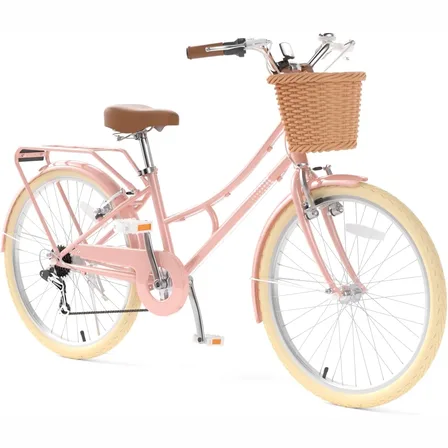
XJD Pink Beach Cruiser for Girls – Rear Rack & V-Brake
The XJD Pink Beach Cruiser for girls is the step-up bike for riders who've outgr…$179.99
$209.99