

Beach Cruiser Headwind: When to Slow Down or Turn Back
A beach cruiser headwind can turn a gentle family outing into a tiring return journey. The practical response is to reduce expectations, choose shelter and watch whether the rider can still steer and stop predictably. Do not treat wind as a challenge to push through, especially with children or a loaded bicycle. A comfortable upright bike still needs a manageable route and conditions.
Plan for a beach cruiser headwind before leaving
Check the local forecast and consider exposed waterfronts, open fields and bridges. A short sheltered circuit can offer easier exit points than a long out-and-back ride. Think about the return direction as well as the first pleasant stretch. If strong or gusty wind is expected, choose another activity instead of relying on a particular bicycle style to cope.

Use the drivetrain you actually have
On a geared model, select an easier gear before pedaling becomes strained and follow the shifting instructions. Keep the effort steady rather than chasing normal speed. A single-speed cruiser does not provide that adjustment, so shorten the ride or walk sooner. The mint-green XJD rack cruiser lists a geared drivetrain; confirm the chosen configuration rather than assuming all beach cruisers are single-speed.
Watch control, not just progress
Stop if gusts push the rider sideways, hands become tense or the bicycle repeatedly leaves its intended line. Keep both hands available for steering and braking. Do not encourage a young rider to crouch far beyond comfortable control reach. Leave extra space from obstacles and other riders, and avoid exposed paths where there is no room to recover.
Reduce luggage and allow an early finish
Loose clothing, dangling bags and bulky loads can complicate an already tiring ride. Secure items within documented carrying limits and keep straps away from wheels. Plan water and rest stops in sheltered places with the bike stationary. If the return becomes difficult, walk or arrange pickup; fatigue and changing weather are reasons to end the ride, not to sprint for home.
Model details relevant to this task
The mint-green XJD beach cruiser lists a rear rack, V-brakes and multiple wheel options. Its rack needs a verified load limit and its brakes need a pre-ride check. Gears can help manage effort, but these features do not promise stability in gusts or a safe speed in every wind. The linked model details are available for XJD Kids Beach Cruiser Bicycle, Rear Rack & V-Brakes, Mint Green.
Quick checklist
- Check local wind and gust forecasts.
- Prefer short routes with sheltered exits.
- Choose an easier gear where fitted.
- Stop if steering control changes.
- Keep a practical return or pickup plan.
Common questions
What wind speed is safe for a child's cruiser ride?
There is no single threshold for every rider, route and gust pattern. Choose conservative conditions and stop when predictable control becomes difficult.
Will bigger wheels solve a headwind problem?
No. Wheel size must fit the rider. It does not remove the extra effort or sideways influence of gusts.
Related collections
The beach cruiser bike options and kids bicycles by fit provide further model details. Check the exact selected configuration when planning fit, handling and care.
Before the next outing
Approach a beach cruiser headwind with a shorter plan and an easy way home. Maintain relaxed control, reduce effort and finish early when gusts or tiredness make the bike harder to manage.
Bikes for your next adventure
-
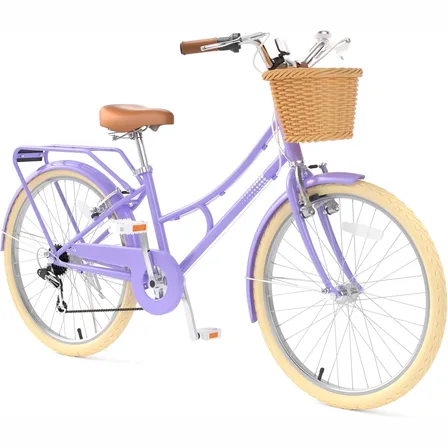
24-Inch Purple XJD Beach Cruiser Bike with U-Brake
The XJD 24-Inch Purple Beach Cruiser is built for girls and young women roughly …$159.99
-

26-Inch XJD Beach Cruiser Bike for Girls – Purple, V-Brake
This XJD 26-inch purple beach cruiser is sized for big kids and teens — suggeste…$218.49
$229.99 -
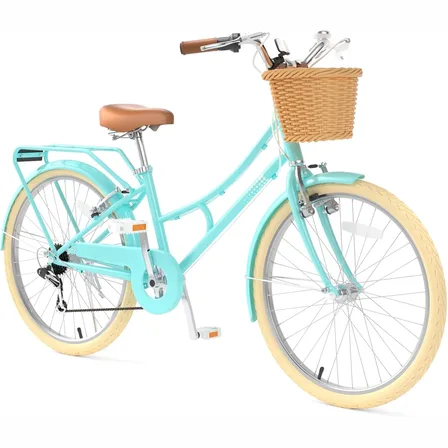
XJD 24-Inch Green Beach Cruiser Bike with U-Brake
This XJD 24-inch beach cruiser in green is made for riders about 4'8" to 5'4" ta…$159.99
$199.99