

Beach Cruiser Saddle Angle: Start with a Stable Seat
Beach cruiser saddle angle can affect whether a rider sits steadily or keeps sliding forward and pushing against the handlebar. Begin with the saddle position specified for the model, commonly a roughly level starting point, and check that it stays fixed. A slipping clamp is a mechanical problem; changing the angle again will not make a loose seat suitable for riding.
Assess beach cruiser saddle angle while stationary
Stand the bicycle upright on level ground and view the saddle from the side. A curved cover can make the nose look different from the main seating surface, so do not measure from one decorative edge alone. Look for a damaged rail, crooked saddle or clamp that allows movement. Have any loose or bent assembly inspected before a rider sits on it.

Check height and reach before changing tilt
A rider may slide because the saddle is too high, the handlebar is too far away or the bicycle does not fit. Verify comfortable mounting, pedal reach and access to both brake levers. Do not use a steep nose-down angle to compensate for an unsuitable frame or an overextended rider. Evaluate one fit issue at a time so the result remains understandable.

Use the exact adjustment instructions
If the saddle clamp permits angle adjustment, follow its sequence and torque specification. Different clamps use different fasteners and tightening methods. Do not copy a number from another brand or loosen bolts while someone is seated. Keep rail markings and seatpost insertion limits visible. When instructions or suitable tools are unavailable, ask a bicycle mechanic to set and secure the assembly.
Confirm stability on a short easy ride
After checking security, use a dry traffic-free surface and a low-speed ride. Look for sliding, excessive pressure on the hands or a rider struggling to reach the controls. Stop if the seat tilts, twists or creaks with visible movement. Discomfort that remains despite a secure reasonable position calls for a fit review, not repeated extreme adjustments.
Model details relevant to this task
The mint-green rack cruiser and purple 26-inch V-brake cruiser list adjustable saddles. That allows fit refinement within their instructions, but the listings do not establish a universal angle or clamp torque. Confirm the selected bike's saddle hardware and rider reach separately. The linked model details are available for XJD Kids Beach Cruiser Bicycle, Rear Rack & V-Brakes, Mint Green, 26-Inch XJD Beach Cruiser Bike for Girls – Purple, V-Brake.
Quick checklist
- Place the bike upright on level ground.
- Inspect saddle rails and clamp security.
- Check height and handlebar reach too.
- Use model-specific adjustment and torque guidance.
- Stop if the saddle changes position under load.
Common questions
Should every cruiser saddle point upward?
No. Do not assume an extreme tilt is correct for cruiser riding. Follow the model guidance and assess stable seating and control reach.
Can I tighten the saddle until it stops slipping?
Use the specified procedure and torque. Persistent movement may indicate worn or damaged parts rather than insufficient force.
Related collections
The beach cruiser configurations and children's bike fit options provide further model details. Check the exact selected configuration when planning fit, handling and care.
Before the next outing
Set beach cruiser saddle angle as part of a complete fit check. A secure seat, manageable reach and controlled short ride are the goal; changing tilt cannot repair damaged hardware.
Bikes for your next adventure
-
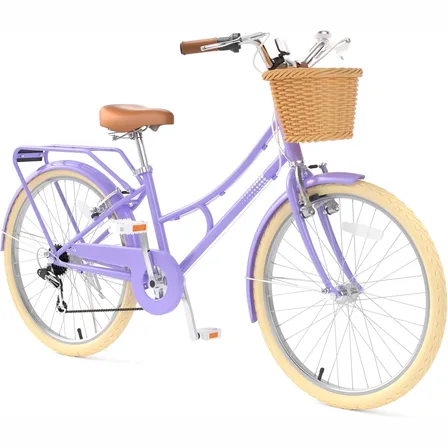
24-Inch Purple XJD Beach Cruiser Bike with U-Brake
The XJD 24-Inch Purple Beach Cruiser is built for girls and young women roughly …$159.99
-

26-Inch XJD Beach Cruiser Bike for Girls – Purple, V-Brake
This XJD 26-inch purple beach cruiser is sized for big kids and teens — suggeste…$218.49
$229.99 -
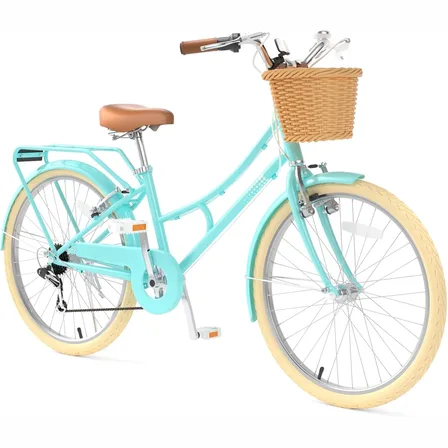
XJD 24-Inch Green Beach Cruiser Bike with U-Brake
This XJD 24-inch beach cruiser in green is made for riders about 4'8" to 5'4" ta…$159.99
$199.99