

Can Kids Ride Bikes in the Rain? Safety Checklist
Can kids ride bikes in the rain? Light rain does not make every ride impossible, but wet surfaces reduce traction, affect visibility and can lengthen stopping. A new rider should usually wait for a dry practice window. More experienced children still need an adult to assess the route, bicycle, weather and local traffic rather than treating rain gear as permission to continue.
Decide whether the ride is necessary
Check for heavy rain, lightning, strong wind, flooding, low visibility and rapidly changing weather. Postpone whenever conditions are uncertain. Wet leaves, painted markings, metal covers and loose grit can become especially slippery. A quiet dry route can also become hazardous when drivers cannot see clearly or when water collects near the edge.

Prepare for visibility without relying on color alone
Use required lights and reflectors and choose visible clothing appropriate to the temperature. Confirm that a jacket or poncho cannot catch in wheels, chain or brakes. A bright bicycle helps others notice the rider but does not replace lighting, road position or adult supervision. Keep the helmet fitted level without an unapproved bulky hood beneath it.
Brake earlier and steer more gently
Test both brakes at very low speed in a protected area because response may differ when wet. Increase following distance, reduce speed and avoid abrupt steering or braking. Do not ride through water when depth, surface or debris cannot be seen. A child who cannot consistently stop and turn in dry conditions is not ready to add rain.
Dry and inspect the bicycle afterward
Wipe moisture and dirt from the frame as the manufacturer directs, inspect the tire tread and brake surfaces, and store the bike in a ventilated dry place. Do not aim high-pressure water at bearings. If the chain or controls need service, follow the manual or use a qualified technician rather than applying products near braking surfaces.
How the current product examples fit
The mint XJD beach cruiser has V-brakes and a rear rack, giving families concrete components to inspect before and after a wet ride. Remove loose rack cargo and test the exact brakes slowly. See XJD Kids Beach Cruiser Bicycle, Rear Rack & V-Brakes, Mint Green for the exact current options and specifications.
Quick checklist
- Check forecast and route hazards.
- Use required lights and reflectors.
- Secure clothing and cargo.
- Brake earlier at lower speed.
- Dry and inspect the bike afterward.
Common questions
Are puddles safe if they look shallow?
No. Water can hide potholes, debris or a slippery surface, so a child should avoid riding through it.
Should a beginner practice in rain?
Dry, predictable conditions are better for learning. Postpone rather than adding reduced grip and visibility to a new skill.
Explore related guides
Use the beach-cruiser collection and kids-bike collection to compare other suitable configurations without assuming every model has the same features.
Bottom line
Rain changes the entire riding system. When an adult cannot confirm visibility, traction, braking and a safe route, the right decision is to wait.
Bikes for your next adventure
-
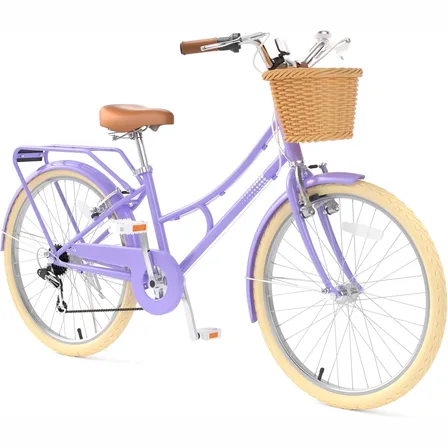
24-Inch Purple XJD Beach Cruiser Bike with U-Brake
The XJD 24-Inch Purple Beach Cruiser is built for girls and young women roughly …$159.99
-

26-Inch XJD Beach Cruiser Bike for Girls – Purple, V-Brake
This XJD 26-inch purple beach cruiser is sized for big kids and teens — suggeste…$218.49
$229.99 -
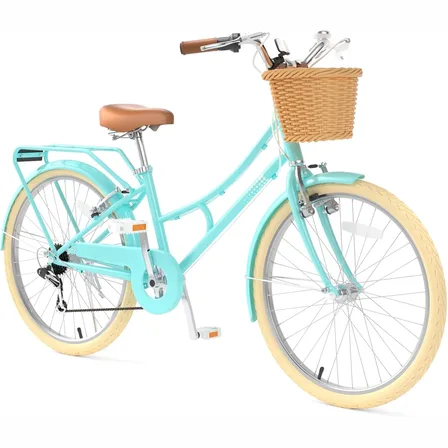
XJD 24-Inch Green Beach Cruiser Bike with U-Brake
This XJD 24-inch beach cruiser in green is made for riders about 4'8" to 5'4" ta…$159.99
$199.99