

Kids Bike Tire Pressure in Cold Weather: What Changes
Kids bike tire pressure in cold weather can read lower because air pressure changes with temperature, but there is no universal winter number for every tire. Use the pressure range printed on the tire and the bicycle or tire maker's instructions. Measure with a suitable gauge before riding, not by squeezing the sidewall and guessing from feel.
Read the exact tire information first
Find the approved pressure guidance on the installed tire and confirm that the tire size matches the rim and bicycle. A replacement tire may have different limits from the original. Never exceed a marked maximum or copy a value from another child's bike. If labels are damaged or unclear, ask the manufacturer or a bicycle technician before inflating.

Measure after the bike reaches outdoor temperature
A bicycle moved from a warm room to cold air can show a different reading after the tire cools. Check it under the conditions in which the ride will begin, then stay within the stated range. Do not repeatedly top up to a memorized indoor reading without considering temperature. Use a pump that fits the valve and a reliable gauge.
Separate temperature change from a real leak
A modest change with weather is different from a tire that becomes soft repeatedly. Inspect the tread, sidewalls, valve and rim area for damage or embedded objects. If pressure falls unusually fast, stop riding and repair the cause using approved parts. A soft tire can affect steering and may damage the tube, tire or rim.
Make pressure one part of the cold-weather check
Also assess ice, wet leaves, wind, daylight and the child's clothing. Ensure garments cannot catch moving parts and test the brakes. Cold hands may reduce control, so use suitable gloves that still allow grip and braking. Postpone when the route is icy or the rider cannot operate controls comfortably.
How the current product examples fit
The pink XJD beach cruiser is a real current bicycle for demonstrating the process, but its selected tire and option determine the correct range. Read the delivered bike and manual rather than assuming one value. See XJD Pink Beach Cruiser for Girls – Rear Rack & V-Brake for the exact current options and specifications.
Quick checklist
- Read the installed tire range.
- Use a compatible gauge and pump.
- Check at riding temperature.
- Investigate repeated pressure loss.
- Assess ice, clothing and brake control too.
Common questions
Should I inflate above the maximum before going outside?
No. Stay within the marked and manufacturer-approved range; never overinflate to compensate for anticipated cooling.
Can pressure be checked by thumb?
A squeeze may reveal a very flat tire but is not a measurement. Use a suitable gauge for repeatable results.
Explore related guides
Use the beach-cruiser collection and kids-bike collection to compare other suitable configurations without assuming every model has the same features.
Bottom line
Cold weather makes repeatable measurement more important. Read the actual tire, use a gauge, investigate leaks and ride only when the full route is suitable.
Bikes for your next adventure
-
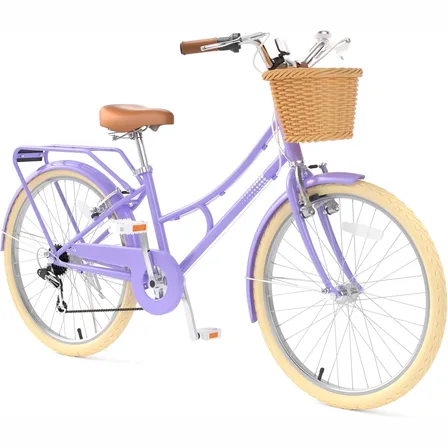
24-Inch Purple XJD Beach Cruiser Bike with U-Brake
The XJD 24-Inch Purple Beach Cruiser is built for girls and young women roughly …$159.99
-

26-Inch XJD Beach Cruiser Bike for Girls – Purple, V-Brake
This XJD 26-inch purple beach cruiser is sized for big kids and teens — suggeste…$218.49
$229.99 -

XJD 24-Inch Green Beach Cruiser Bike with U-Brake
This XJD 24-inch beach cruiser in green is made for riders about 4'8" to 5'4" ta…$159.99
$199.99