

How old before kids can bike by themselves
Most children can bike by themselves only when they fit the bike, control it reliably, and can handle the chosen route—not at one universal age.
Use readiness, not a birthday
“By themselves” can mean riding without a hand on the bike, riding while an adult watches nearby, or travelling completely unsupervised. These require different levels of judgment. A child who pedals confidently in a quiet practice area may still be unready to ride alone near traffic, driveways, junctions, pedestrians or unfamiliar paths.
Before reducing supervision, watch the child start without help, ride a predictable line, look around without swerving, slow down smoothly, stop where asked and get off under control. They should also follow simple route rules consistently, notice hazards early and know what to do if they fall, become lost or have a bicycle problem. If any of these skills disappear when the child is distracted or nervous, continue close supervision.
Measure the child and check the actual bike
Measure standing height and inseam, then have the child try the bicycle. Age is only a starting point. Check that the rider can stand over the bike appropriately, reach the handlebars without stretching, steer comfortably and operate the brakes with control. Do not choose an oversized bicycle merely to leave room for growth.
| Wheel size | XBikes starting age | Rider height |
|---|---|---|
| 12 Inch | 3–4 | 34–40 in / 86–102 cm |
| 14 Inch | 3–6 | 37–45 in / 94–114 cm |
| 16 Inch | 4–7 | 40–48 in / 102–122 cm |
| 18 Inch | 5–9 | 43–52 in / 109–132 cm |
| 20 Inch | 7–12 | 48–60 in / 122–152 cm |
| 24 Inch | 10–14 | 54–64 in / 137–163 cm |
| 26 Inch | Youth and adults over 60 in | Over 60 in / 153 cm |
Overlapping ranges are normal. Use measured height, inseam, reach, brake control and current confidence to choose between them. The number on the wheel cannot confirm that a particular frame fits.
Compare the route with the child’s skills
Assess the exact journey rather than granting general permission to “bike alone.” Walk or ride it together and identify crossings, blind corners, parked cars, steep sections, loose surfaces and places where drivers may enter or reverse. A short enclosed route can demand less judgment than a longer trip on public roads.
- Begin in a controlled, low-conflict practice area with an adult close by.
- Move to a familiar route while the adult follows and observes without prompting.
- Try greater distance only after the child repeatedly makes sound decisions independently.
- Set a destination, permitted route, check-in plan and clear response for a mechanical problem or unexpected closure.
Return to closer supervision after a growth spurt, bike change, long break from riding or move to a harder route. Readiness can vary by place and day.
Helmet and bicycle checks come first
A bicycle helmet should fit properly, sit level and have its straps adjusted according to the helmet manufacturer’s instructions. Replace guesswork with a fit check each time, especially after hair, clothing or strap adjustments change how it sits.
Before departure, confirm that the bicycle appears secure and operates normally, including steering, tires and braking. For assembly, maintenance, compatibility, load limits and torque, follow the exact product manual or use a qualified bicycle mechanic. Do not send a child out alone on a bicycle with an unexplained noise, loose part, damaged component or unreliable control.
How the supplied 12-, 14- and 16-inch bikes relate
The two catalog options help families compare three smaller wheel-size starting points while assessing early independent-riding skills. The XJD Girls BMX Bike 12/14/16 Inch with Training Wheels – Pink Blue and the XJD Boys & Girls BMX Bike with Training Wheels, 12/14/16" – Blue are both Kids' BMX Bikes offered in 12 Inch, 14 Inch and 16 Inch labels. Their training wheels may be relevant during supported skill development, but their presence does not establish readiness to ride without supervision.
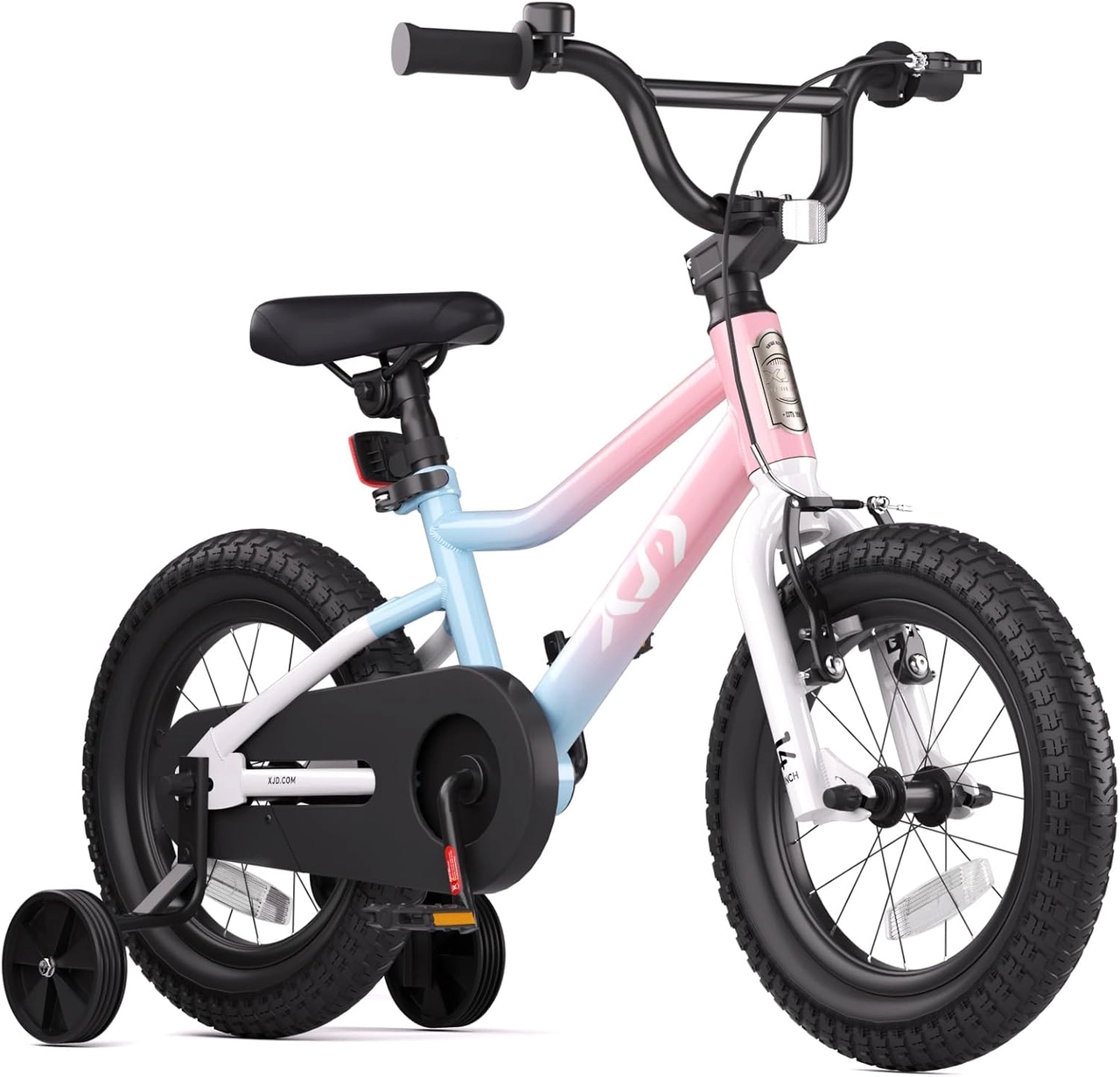 XJD Girls BMX Bike 12/14/16 Inch with Training Wheels – Pink Blue
A Kids' BMX Bike offered in 12 Inch, 14 Inch and 16 Inch labels. Its training wheels may support early practice, but individual fit and route readiness still determine whether a child can ride independently.
 XJD Boys & Girls BMX Bike with Training Wheels, 12/14/16" – Blue
A Kids' BMX Bike with 12 Inch, 14 Inch and 16 Inch options and training wheels. Compare the rider’s measurements with the size starting points, then verify reach, brake control and confidence on the actual bicycle.
Use the table to identify a starting size, then fit-check the chosen bicycle with the child. These products are relevant only when a 12-, 14- or 16-inch option matches the rider’s measurements and control. For a child whose fit points to 18, 20, 24 or 26 inches, they are smaller comparison points, not equal substitutes.
Make the decision today
Measure height and inseam, test stand-over, reach and brake control, then observe the child on the exact intended route. Allow less supervision only when bike fit, repeatable control, hazard judgment, helmet fit and a practical check-in plan all hold together. If one element is uncertain, practise that specific gap with an adult before the child bikes by themselves.
Bikes for your next adventure
-
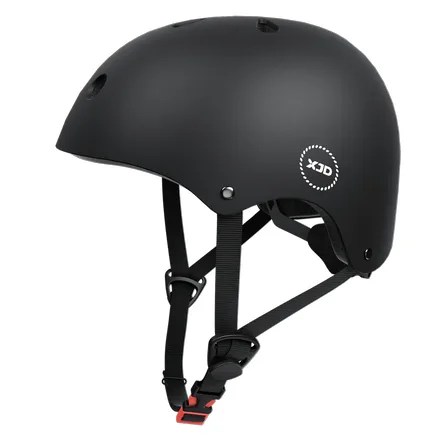
7-in-1 Kids Helmet & Protective Gear Set from XJD – Black or Blue
If you're outfitting one kid (or a couple of siblings) for biking, scootering, o…$59.99
-
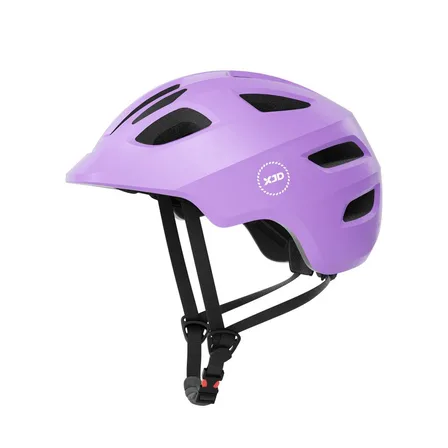
Girls' Bike Helmet from XJD – Purple
The XJD kids bike helmet in purple is a multi-sport helmet built for toddlers an…$59.99
$49 -

Kids Bike Helmet by XJD for Boys & Girls – Black, Blue, Green, Pink, Purple
The XJD Kids Bike Helmet covers a wide 2-to-8-year age range thanks to two head-…$59.99