

How to get kid to ride bike
To get your kid to ride a bike, remove pressure, choose a bike they can confidently control, and practise one small skill at a time in a quiet, open area.
Start with the reason they are not riding
Ask one simple question: “What part feels hard or scary?” The answer determines the next step. A child may dislike the bike’s fit, fear falling, struggle to start or stop, or simply not want an audience. Treat reluctance as useful information rather than disobedience.
Keep each practice session short and finish after a small success: sitting comfortably, walking the bike, stopping on command or rolling a few feet. Avoid comparisons with siblings and do not surprise-push the bike from behind. Tell the child exactly when you will hold or release it.
Measure before asking them to practise
Measure the child’s standing height and inseam, then have them try the actual bicycle. Age is only a starting point. Check whether they can stand over the bike, reach the handlebar without stretching, steer comfortably and operate the brakes with control. Their present confidence matters too.
Use these XBikes ranges to identify sizes worth trying, not to replace an individual fit check:
| Wheel size | Starting age | Rider height |
|---|---|---|
| 12 Inch | 3–4 | 34–40 in / 86–102 cm |
| 14 Inch | 3–6 | 37–45 in / 94–114 cm |
| 16 Inch | 4–7 | 40–48 in / 102–122 cm |
| 18 Inch | 5–9 | 43–52 in / 109–132 cm |
| 20 Inch | 7–12 | 48–60 in / 122–152 cm |
| 24 Inch | 10–14 | 54–64 in / 137–163 cm |
| 26 Inch | Youth and adults | Over 60 in / 153 cm |
Do not buy an oversized bicycle for future growth. If the child cannot comfortably stand over it, control its direction or reach its brakes, try another size or setup.
Compare the supplied option with the child’s measurements
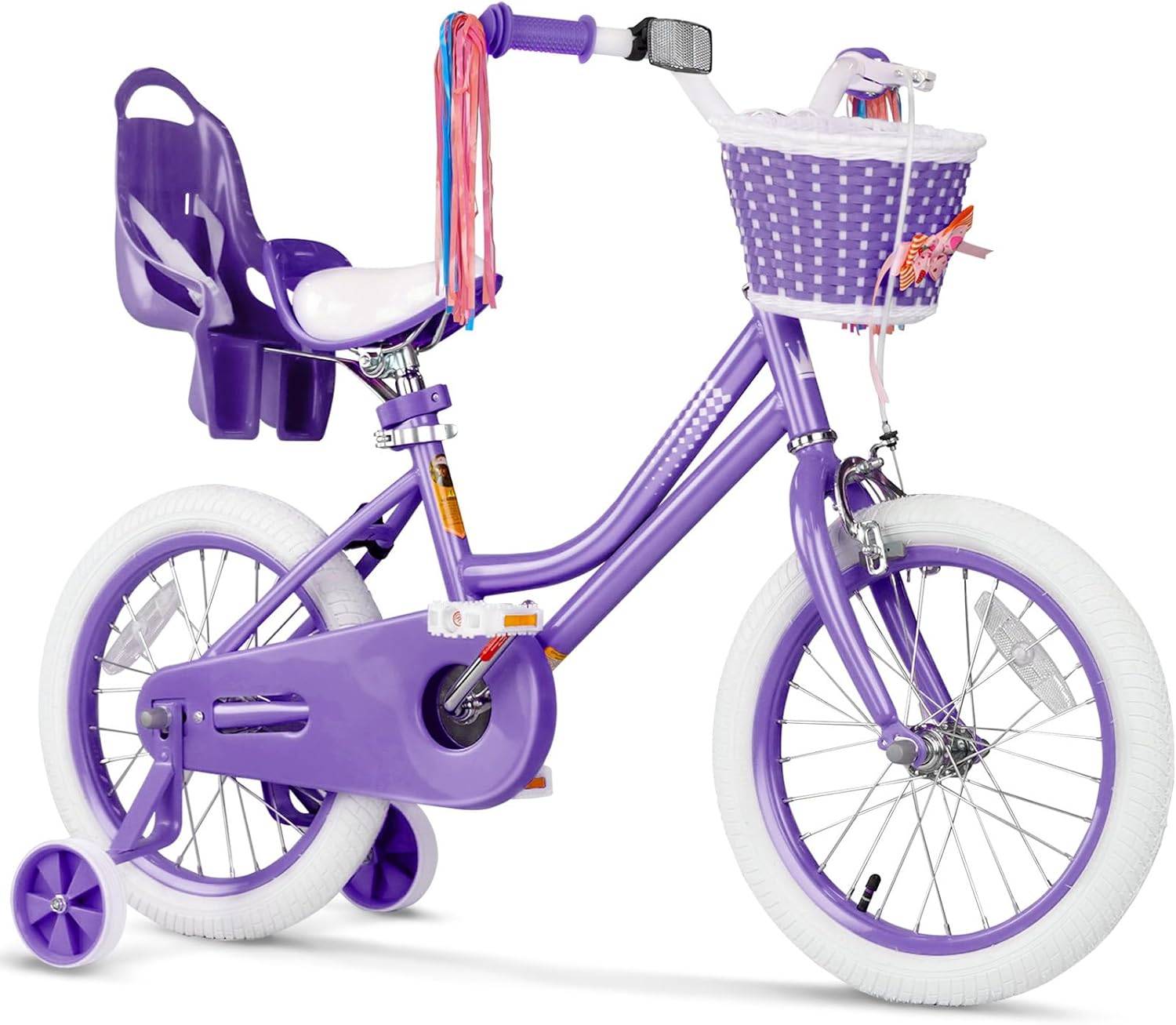
The XJD Girls Bike for Kids Ages 3-8, 12/14/16 Inch with Training Wheels – Purple offers 12 Inch, 14 Inch and 16 Inch size labels, so it gives families three catalog options to compare against the measured height ranges above. Its training wheels may also make it relevant when a family specifically wants that configuration.
The “Ages 3-8” wording is part of the product title, not proof of fit. Select a size only after checking the individual child’s height, inseam, reach, brake control and confidence on the actual bicycle.
These particular catalog options help answer how to begin because they cover three common starting wheel sizes and include training wheels, while still allowing the parent to reject any option that does not fit or match the child’s preferred way of learning.
Teach control before balance
Choose a flat, traffic-free practice area without obstacles. Rather than demanding a complete ride, build a predictable sequence:
- Let the child sit on the bike and become comfortable with its controls.
- Practise getting on and off without rushing.
- Ask them to move slowly and steer toward a nearby marker.
- Practise stopping at a chosen line until the response is calm and repeatable.
- Only then combine starting, looking ahead, steering and stopping over a longer distance.
If a step causes panic, return to the last comfortable step. Training wheels are relevant when that is the configuration you and the child choose, but the product facts supplied here do not establish whether they suit every learner or how they should be adjusted. Follow the exact product manual or consult a qualified bicycle mechanic.
Make every attempt physically and emotionally safer
Use a bicycle helmet that fits properly, sits level and has straps secured according to the helmet manufacturer’s instructions. Check the riding area before each session and keep spectators to a minimum if attention makes the child tense.
Before riding, confirm that the bicycle is assembled and operating as its exact manual requires. For assembly, maintenance, fastener torque, load limits or compatibility questions not stated here, use that manual or a qualified bicycle mechanic rather than guessing.
Know what to do next
Today, measure height and inseam, identify the corresponding wheel-size starting points, and arrange an actual fit check. Then ask the child to choose one small practice goal. If they can stand over the bike, reach and control it, operate the brakes and willingly repeat that goal, continue gradually. If fit, control or fear remains a problem, stop and change the bike, setup, location or pace before asking them to ride again.
Bikes for your next adventure
-

Kids Bike Helmet by XJD for Girls – Pink
The XJD Kids Bike Helmet in Pink is a lightweight multi-sport helmet for girls r…$59.99
$99 -
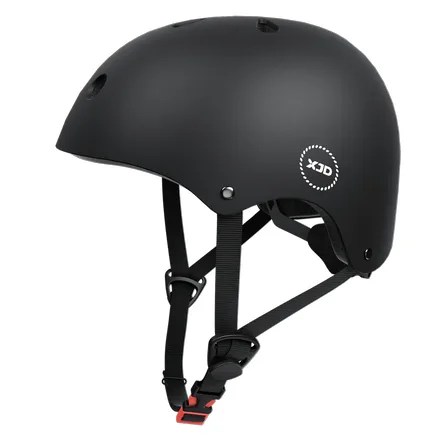
7-in-1 Kids Helmet & Protective Gear Set from XJD – Black or Blue
If you're outfitting one kid (or a couple of siblings) for biking, scootering, o…$59.99
-
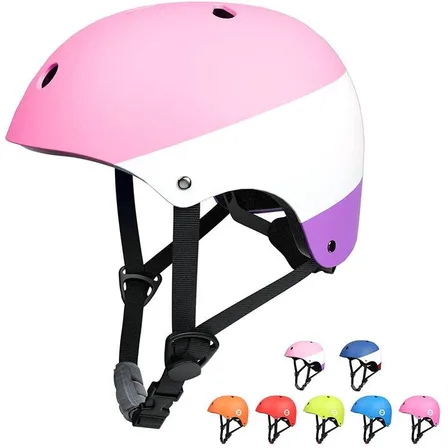
XJD Kids Bike Helmet for Boys & Girls, B White / Pink White
The XJD Kids Bike Helmet covers a wide age range — suggested for ages 2 through …$59.99