

How to get off a bike with a child seat
To get off a bike with a child seat, stop on firm, level ground, keep both hands controlling the bike, steady it with both feet, remove the child, and only then dismount fully or let go.
Use a controlled stopping sequence
Choose a place away from moving traffic, slopes, loose gravel and curbs. Slow smoothly, straighten the handlebars and stop before beginning any dismount. Keep the bicycle upright; the added child and seat can make a small lean harder to recover from.
- Apply the brakes smoothly and bring the bike to a complete stop.
- Place both feet securely on the ground while keeping both hands on the handlebars.
- Stabilize the bicycle with your body rather than relying on a kickstand.
- Unfasten and lift out the child according to the child-seat manual.
- Once the child is in a secure place, finish getting off and park the bicycle.
Never leave a child sitting in the seat on an unsupported or unattended bicycle. If another adult is present, have that person receive the child while you continue holding the bike.
Choose the right way to move your leg
A low or step-through frame usually lets the rider step forward and through without moving a leg near the passenger. On a high top-tube frame, avoid swinging a leg backward over a rear-mounted child seat. Instead, remain astride the frame until the child has been removed, then dismount normally.
A front-mounted seat can alter handlebar clearance and the space available for standing over the frame. Before carrying a child, rehearse stopping, planting both feet and stepping off with the seat empty. If your foot, knee or clothing catches the frame or seat, ask a qualified bicycle mechanic whether the bicycle and child-seat combination is appropriate.
Measure and compare before riding
Check the adult rider’s stand-over clearance, ability to place both feet securely at a stop, reach to the handlebars and reliable access to both brake controls. Also compare the child’s measured size and weight with the child-seat manufacturer’s limits. Confirm that the seat, rack or mounting system is explicitly compatible with the exact bicycle.
Compatibility, load limits, fastener torque and mounting procedures are not universal. Follow the manuals for both the bicycle and child seat. If either manual is missing, contradictory or unclear, do not carry the child until the combination has been checked by a qualified bicycle mechanic.
Practise before adding the passenger
First rehearse with an empty child seat in a traffic-free area. Practise starting, straight-line braking, stopping with both feet down and holding the bike upright. Then practise the exact child-removal motion with another adult supporting the empty bicycle if needed.
Do not proceed if the bicycle feels difficult to balance, the seat blocks normal steering or braking, or you cannot keep control throughout the stop. The child should wear a properly fitting bicycle helmet that sits level, with its straps adjusted according to the helmet manufacturer’s instructions. Check that straps, clothing and feet cannot reach moving bicycle parts, following the seat manual.
How the supplied bicycles relate
The supplied catalog options are standalone children’s bicycles, not documented child-seat carriers. They help distinguish carrying a child in a seat from selecting a bicycle for a child who is ready to ride independently. None of the supplied facts confirms child-seat compatibility, so these products should not be treated as substitutes for a compatible adult bicycle and seat.
The Black XJD Kids' BMX Bicycle with Training Wheels offers 12 Inch, 14 Inch and 16 Inch labels. The Blue XJD Freestyle BMX Bike, 20-Inch – No Pegs provides a 20-inch comparison, while the 24-Inch Purple XJD Beach Cruiser Bike with U-Brake provides a 24-inch comparison. These sizes are only starting points for an independent rider:
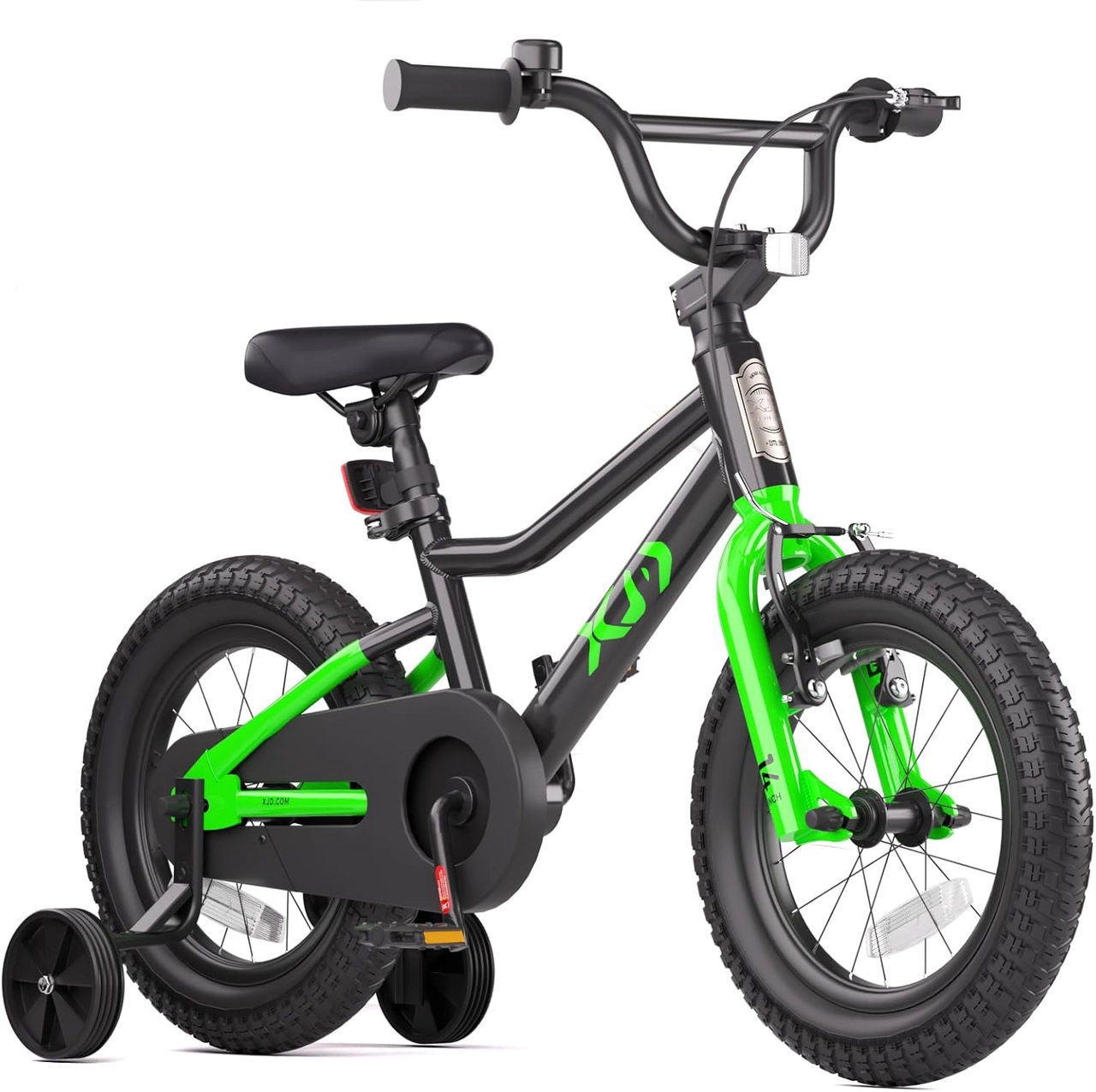 Black XJD Kids' BMX Bicycle with Training Wheels
A standalone kids’ BMX bicycle offered in 12 Inch, 14 Inch and 16 Inch labels; relevant only as an independent-rider comparison, not as a documented child-seat carrier.
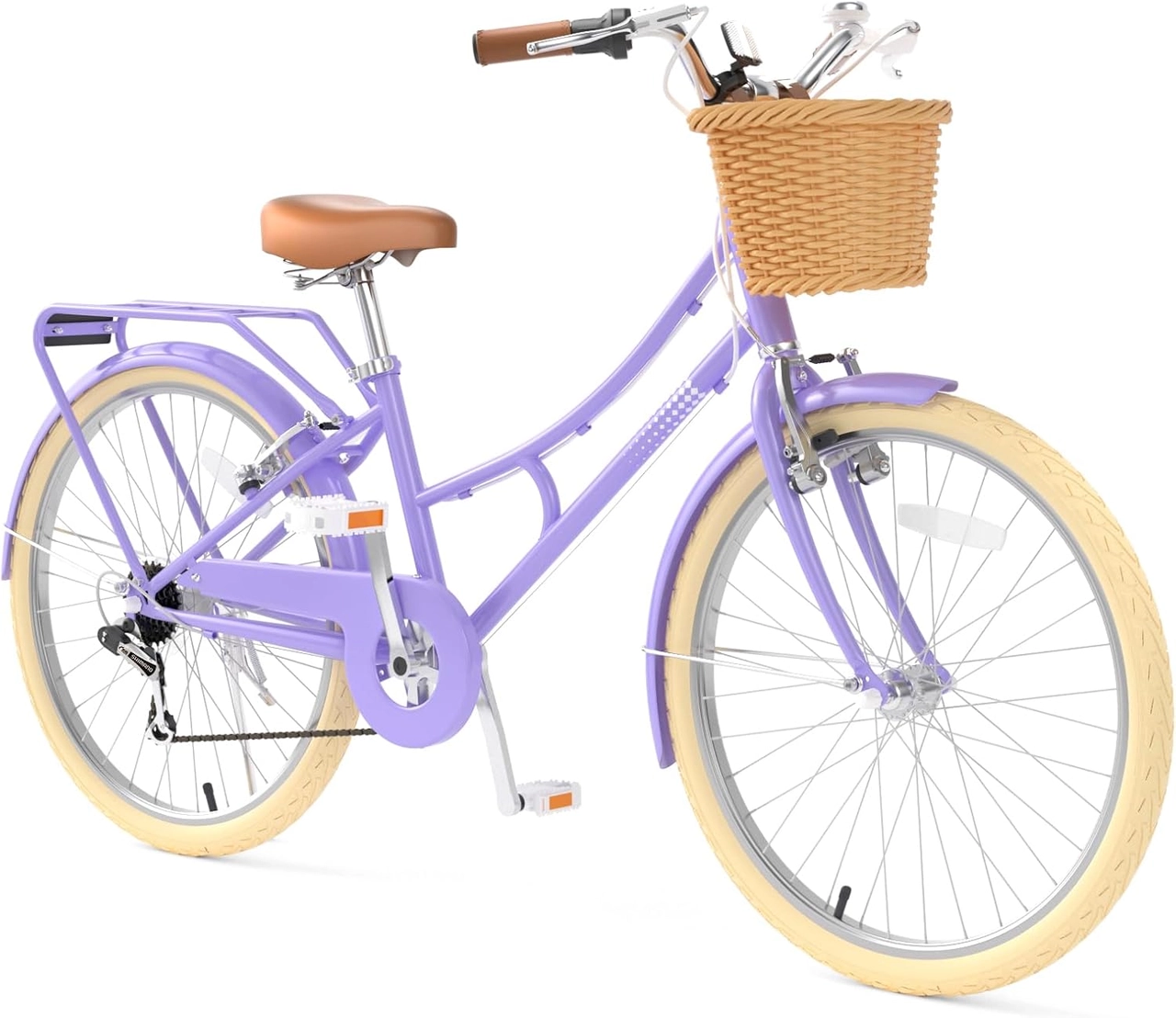 24-Inch Purple XJD Beach Cruiser Bike with U-Brake
This 24-inch beach cruiser is a size comparison for an independent child rider. The supplied facts do not establish compatibility with a child seat.
 Blue XJD Freestyle BMX Bike, 20-Inch – No Pegs
This 20-inch kids’ BMX bicycle is relevant when comparing an independent-riding option. It is not documented in the supplied facts as a child-seat-compatible bicycle.
| Wheel size | Starting age | Rider height |
|---|---|---|
| 12 Inch | 3–4 | 34–40 in / 86–102 cm |
| 14 Inch | 3–6 | 37–45 in / 94–114 cm |
| 16 Inch | 4–7 | 40–48 in / 102–122 cm |
| 20 Inch | 7–12 | 48–60 in / 122–152 cm |
| 24 Inch | 10–14 | 54–64 in / 137–163 cm |
Prioritize measured height, inseam, reach, brake control and current confidence over age. Have the child try the bicycle, and do not choose an oversized model merely for future growth.
Make the go-or-no-go decision
Use the child seat only when you can stop with both feet secure, hold the loaded bicycle upright, remove the child before releasing the bike, and verify every mounting and load requirement in the exact manuals. Otherwise, pause and have a qualified bicycle mechanic inspect the setup before your next child-seat dismount.
Bikes for your next adventure
-
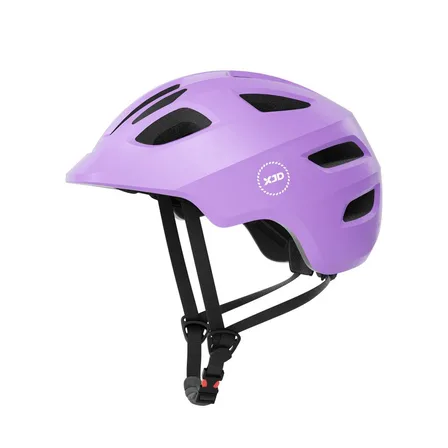
Girls' Bike Helmet from XJD – Purple
The XJD kids bike helmet in purple is a multi-sport helmet built for toddlers an…$59.99
$49 -

XJD Boys 12/14/16" Training Wheel Bike – Blue
The XJD Boys Bike in Blue is a training wheel bike for riders 71–122 cm tall—rou…$169
$199 -

Light Pink XJD Girls' Bicycle with Basket & Training Wheels
The Light Pink XJD Girls' Bicycle with Basket & Training Wheels is a retro-style…$109.99
$129.99