

How to help kid ride a bike
Help your child ride by choosing a correctly fitted bike, practising balance before pedalling, and supporting the child—not the bicycle.
Measure the rider before choosing a bike
Measure your child’s height and inseam while they are wearing the shoes they will ride in. Use height to identify a starting wheel size, then have the child try the actual bicycle. Age is only a rough reference.
| Wheel size | Starting age | Rider height |
|---|---|---|
| 12 Inch | 3–4 | 34–40 in / 86–102 cm |
| 14 Inch | 3–6 | 37–45 in / 94–114 cm |
| 16 Inch | 4–7 | 40–48 in / 102–122 cm |
| 18 Inch | 5–9 | 43–52 in / 109–132 cm |
| 20 Inch | 7–12 | 48–60 in / 122–152 cm |
| 24 Inch | 10–14 | 54–64 in / 137–163 cm |
| 26 Inch | Youth and adults | Over 60 in / 153 cm |
These ranges overlap deliberately. Prioritize measured height, inseam, reach, brake control and current confidence. Do not buy an oversized bicycle for future growth: a bike that is too large can make starting, stopping and steering harder to control.
Check the individual fit
Ask your child to stand over the bicycle and sit in the riding position. They should be able to mount and dismount without struggling, reach the handlebar without stretching, turn it comfortably, and operate the brakes with control. Check that their knees and the handlebar do not interfere when steering.
Have the child start, stop and place a foot down several times in a clear area. If they cannot do those actions confidently, compare a different size or adjustment. Inseam helps with this assessment, but do not turn it into a universal clearance rule; bicycle shapes vary. Follow the exact product manual for permitted adjustments, or ask a qualified bicycle mechanic.
Teach balance before adding speed
Choose a flat, open practice area away from traffic, parked vehicles and obstacles. Begin with the child seated and able to put their feet down. Let them push along, coast briefly, look ahead and stop using their feet or the bicycle’s controls as appropriate.
- Practise controlled starts and stops.
- Encourage short coasts with eyes looking ahead.
- Introduce wide, gentle turns in both directions.
- Add pedalling only when coasting feels controlled.
- Keep sessions short enough that frustration and fatigue do not take over.
When assistance is needed, steady the child lightly around the torso or shoulders. Avoid gripping and steering the handlebar for them, because the child needs to feel how their own movements affect balance. Reduce your support gradually and say clearly before letting go.
Decide whether training wheels are useful
Training wheels can help a hesitant beginner become familiar with sitting, pedalling and steering. They do not teach two-wheel balance in the same way as coasting, however. If your child already coasts and turns confidently, continued balance practice may be more relevant. If training wheels are used, follow the bicycle’s exact manual for installation, adjustment, compatibility and removal; use a qualified bicycle mechanic when uncertain.
The supplied catalog options are relevant when you want to compare training-wheel bicycles in 12, 14, 16 or 20 Inch labels after measuring the rider and checking real-world fit.
 Girls' Training Wheel Bike by XJD, 12–20 Inch Wheels – Blue
A blue training-wheel bicycle offered in labeled 12, 14, 16 and 20 Inch options, relevant for comparison only after measuring the rider and completing an individual fit check.
 XJD Girls' Bike with Training Wheels, 12/14/16/20 Inch – Purple
A purple training-wheel bicycle with listed 12, 14, 16 and 20 Inch SKUs. Compare its labeled size against rider height, inseam, reach, brake control and confidence.
 XJD Kids Bike for Girls – Pink, 12/14/16/20 Inch with Training Wheels
A pink kids bicycle offered with training wheels in labeled 12, 14, 16 and 20 Inch options. It is relevant when training wheels suit the child’s current learning stage.
Girls' Training Wheel Bike by XJD, 12–20 Inch Wheels – Blue, XJD Girls' Bike with Training Wheels, 12/14/16/20 Inch – Purple, and XJD Kids Bike for Girls – Pink, 12/14/16/20 Inch with Training Wheels all list 12, 14, 16 and 20 Inch SKUs. Based on the supplied facts, their meaningful comparison here is color and labeled wheel-size availability. No 18, 24 or 26 Inch option is supplied, so these products are not substitutes when the child’s fit check points to one of those sizes.
Prepare the child and bicycle
A bicycle helmet should fit properly, sit level and have its straps used according to the helmet manufacturer’s instructions. Choose closed-toe footwear and clothing that will not catch in moving parts. An adult should inspect the riding area and supervise practice.
Before riding, follow the exact bicycle manual for assembly, adjustments and maintenance. Do not guess about fastener torque, training-wheel compatibility or component setup. If anything feels loose, damaged or difficult to operate, stop and use a qualified bicycle mechanic.
Know what to do next
If the child can stand over the bike, reach and steer comfortably, control the brakes, start, coast and stop, continue with brief balance-to-pedalling sessions. If any of those checks fail, pause instruction and compare another size or obtain a proper adjustment. The next useful step is not pushing the child to ride farther; it is resolving the specific fit or control problem that prevented the last attempt.
Bikes for your next adventure
-
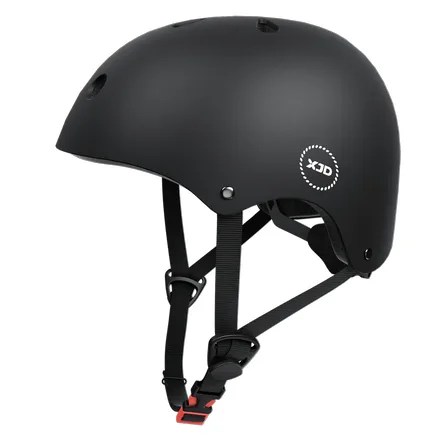
7-in-1 Kids Helmet & Protective Gear Set from XJD – Black or Blue
If you're outfitting one kid (or a couple of siblings) for biking, scootering, o…$59.99
-
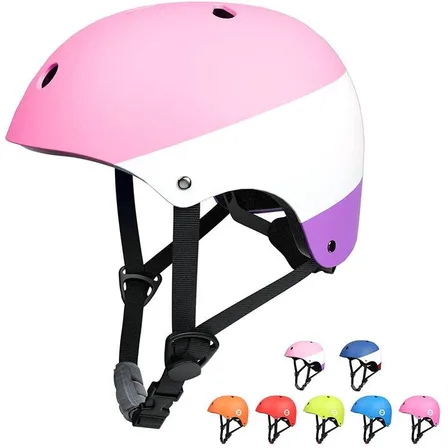
XJD Kids Bike Helmet for Boys & Girls, B White / Pink White
The XJD Kids Bike Helmet covers a wide age range — suggested for ages 2 through …$59.99
-

Blue XJD Girls Bike with Training Wheels – 12/14/16 Inch
If you're shopping for a first pedal bike for a daughter roughly 3 to 8 years ol…$149
$169