

How to Tighten a Kids Bike Front Brake Safely
Learning how to tighten a kids bike front brake starts with identifying the installed brake and the actual symptom. A lever that pulls to the grip may involve cable tension, pad wear, housing movement or another fault. A brake that drags needs a different correction. Use the exact bicycle and brake instructions; safety-critical adjustment should go to a qualified mechanic when any step is unclear.
Describe the symptom before touching tools
Support the stationary bicycle and operate the lever while watching the front brake. Note whether both sides move, whether the wheel stops, whether the lever reaches the grip and whether the brake releases. Stop for a frayed cable, cracked lever, loose caliper or damaged rim.

Check reach separately
A small hand may struggle because the lever sits too far away, not because the cable is loose. Some levers provide a reach adjuster, but changing reach can change available travel. The child must keep the palm on the grip and the brake must engage before the lever touches it.

Follow the exact tension procedure
Cable-pinch bolts, barrel adjusters and centering screws have different jobs. Use only the procedure, tool and torque specified for the installed caliper or U-brake. Do not pull a cable tighter at random, bend brake arms or apply lubricant near pads, tire or rim.
Verify pads and wheel first
Pads need usable material and correct contact with the intended braking surface. A loose, off-center or wobbling wheel can mimic brake trouble. Confirm wheel retention and rim condition before centering. Replace contaminated or damaged parts through approved service.
Retest in stages
An adult first spins the wheel and confirms free release, then rolls the empty bicycle and applies the brake. The child walks beside the bike for another test before one slow straight stop in a clear area. Any inconsistency means the bike stays out of use.
How current product examples clarify the choice
The blue small-wheel XJD bike lists a front caliper brake with a rear coaster brake, while the 20-inch freestyle BMX uses front and rear U-brakes. These examples show why the words front brake do not identify one universal adjustment procedure.
Practical checklist
- Identify brake type and symptom.
- Inspect cable, pads and wheel.
- Use exact tools and torque.
- Complete an adult and walking-speed retest.
Frequently asked questions
Should the lever touch the grip?
No. Reliable braking should occur before full contact with the grip.
Can I spray a squeaking brake?
No. Lubricant can contaminate braking surfaces; follow the exact service guidance.
Before making the final choice, revisit the exact route or driving area at the time it will normally be used. A setup that works during a quiet test may need more room, visibility or adult support when other people and everyday obstacles are present.
Bottom line
Use the answer to how to tighten a kids bike front brake as a decision process, not a shortcut. Confirm the live product data and manual, match the rider to the controls and setting, and favor repeatable control over a larger size or higher performance label.
Bikes for your next adventure
-

Black XJD Toddler Bike Helmet, Adjustable – Kids' Protective Helmet
The XJD Toddler Bike Helmet in black is an adjustable protective helmet for kids…$20.39
-
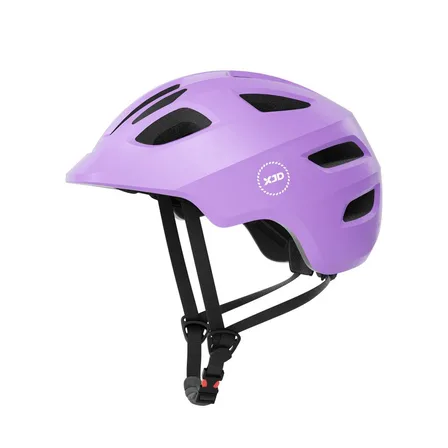
Girls' Bike Helmet from XJD – Purple
The XJD kids bike helmet in purple is a multi-sport helmet built for toddlers an…$59.99
$49 -

Green XJD Toddler Bike Helmet with Adjustable Fit, XS (46–51 cm)
The XJD toddler bike helmet in Green is built for the youngest riders — the size…$20.39
$23.99