

How to train a kid to ride a bike
Teach a child to ride by checking bike fit first, then practising balance, braking, steering and pedalling in short, calm sessions.
Measure the rider before the first lesson
Measure the child’s standing height and inseam while they wear the shoes they will ride in. Use height to identify a starting wheel size, but have the child try the actual bicycle. They should be able to stand over it comfortably, reach the handlebar without stretching, turn it while staying balanced and operate its brakes reliably.
Do not choose an oversized bicycle for future growth. Age ranges overlap and are only starting points; measured height, inseam, reach, brake control and current confidence decide whether the bike is manageable now.
| Wheel size | Starting age | Rider height |
|---|---|---|
| 12 Inch | 3–4 | 34–40 in / 86–102 cm |
| 14 Inch | 3–6 | 37–45 in / 94–114 cm |
| 16 Inch | 4–7 | 40–48 in / 102–122 cm |
| 18 Inch | 5–9 | 43–52 in / 109–132 cm |
| 20 Inch | 7–12 | 48–60 in / 122–152 cm |
| 24 Inch | 10–14 | 54–64 in / 137–163 cm |
| 26 Inch | Youth and adults | Over 60 in / 153 cm |
Prepare a simple practice area
Choose a flat, open place away from traffic, parked cars, steep slopes and obstacles. Fit a bicycle helmet so it sits level and secure, using its straps exactly as the helmet manufacturer directs. Closed-toe shoes and comfortable clothing help the child concentrate on controlling the bicycle.
Before riding, confirm that the bicycle is assembled and functioning as its exact product manual describes. For adjustments, compatibility, maintenance or any uncertainty about the controls, consult that manual or a qualified bicycle mechanic rather than guessing.
Teach four skills in a useful order
- Balance: Have the child sit on the bicycle and move forward in small pushes, then briefly lift both feet and coast. Support the child rather than pulling the handlebar; they need to feel how their own steering keeps the bike upright.
- Braking: While moving slowly, ask the child to stop at a visible marker. Repeat until stopping is controlled and predictable. The child must be able to reach and operate the bicycle’s braking controls before progressing.
- Steering: Place widely spaced markers on the ground and have the rider look toward the next one. Practise gentle turns in both directions, followed by starting and stopping on command.
- Pedalling: Position one pedal ready for the first push, let the child start, and walk alongside without holding the handlebar. Gradually increase the distance between starts and planned stops.
Keep sessions short enough that technique does not collapse into frustration. Finish after a successful stop or controlled glide, then repeat the same skill next time before adding difficulty.
Decide whether training wheels help
Training wheels can support early pedalling practice, but they do not replace learning two-wheel balance. If they are used, keep balance practice in the plan and follow the bicycle’s manual for fitting or adjustment. Move away from them when the child can start, steer and brake consistently and is ready to practise unsupported coasting.
Do not rush removal because of age or comparison with another child. A hesitant rider may need more repetition, while a confident rider still needs a correctly sized bicycle and dependable control.
Compare the supplied bicycles to the rider
These catalog options provide useful comparison points across beginner training-wheel sizes and larger 20- and 24-inch bicycles. They help you match the measured rider to an available wheel-size label before deciding which bike, if any, should be tried in person.
 Pink Girls' 12/14/16" Bike by XJD – Basket & Doll Seat
A Training Wheel Bike offered in 12 Inch, 14 Inch and 16 Inch labels, making it relevant for comparing several early-learning size starting points before an individual fit check.
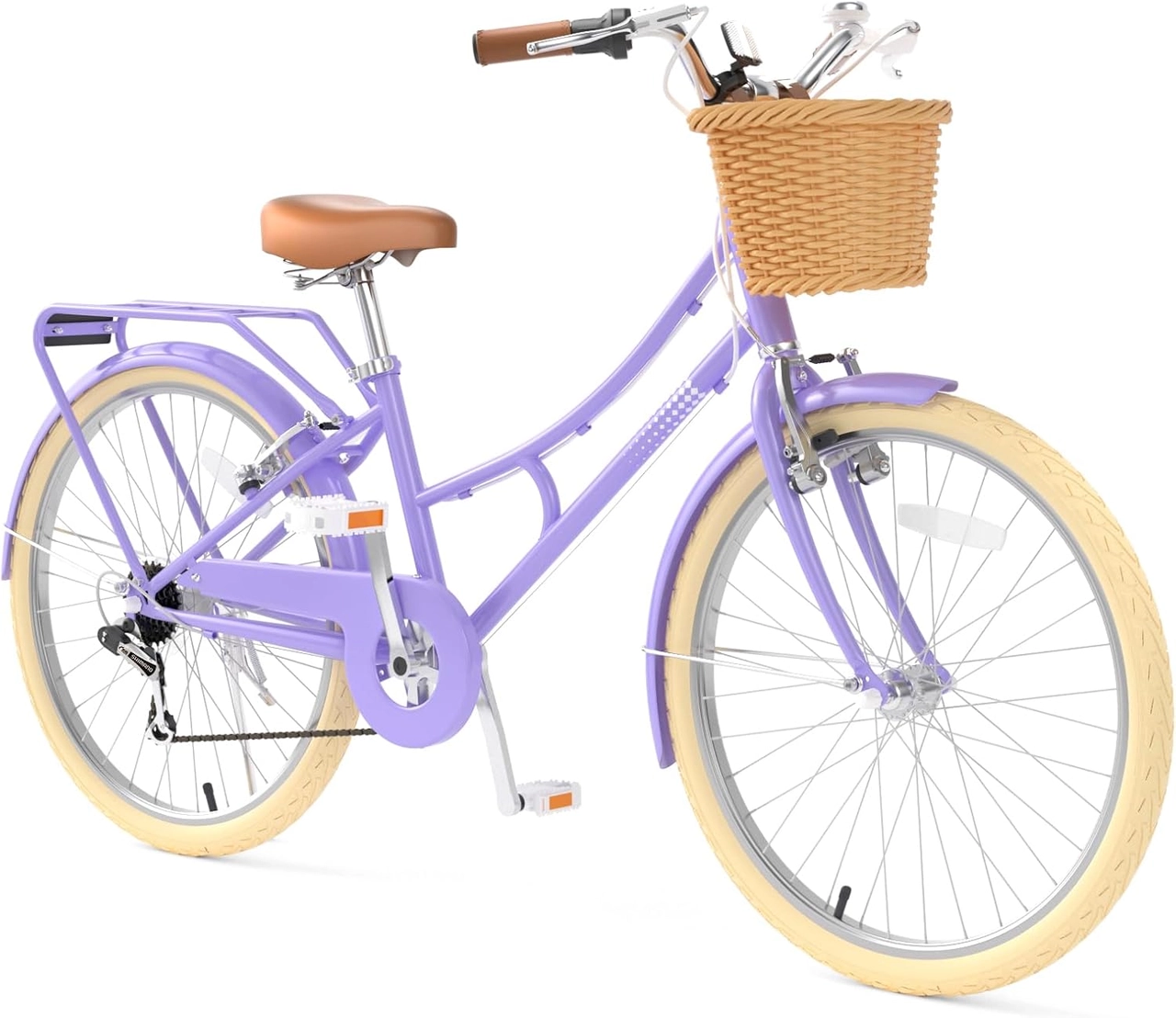 24-Inch Purple XJD Beach Cruiser Bike with U-Brake
This 24-inch Beach Cruiser Bike is a comparison option for a measured rider within the 24-inch starting range who can demonstrate suitable stand-over clearance, reach and brake control.
 Blue XJD Freestyle BMX Bike, 20-Inch – No Pegs
This 20-inch Kids' BMX Bike provides a comparison point for riders whose measured height suggests 20 Inch, subject to an individual check of inseam, reach, controls and confidence.
The Pink Girls' 12/14/16" Bike by XJD – Basket & Doll Seat is categorized as a Training Wheel Bike and offers 12 Inch, 14 Inch and 16 Inch labels. Compare the child’s height with the corresponding ranges, then verify stand-over room, reach and brake control on the chosen size. Its category may make it relevant when training wheels are part of the learning plan.
The Blue XJD Freestyle BMX Bike, 20-Inch – No Pegs is categorized as a Kids' BMX Bike. Its 20-inch size is a starting point for riders 48–60 in / 122–152 cm, but it is relevant to training only when the individual child can comfortably control that actual bicycle.
The 24-Inch Purple XJD Beach Cruiser Bike with U-Brake is categorized as a Beach Cruiser Bike. The 24-inch standard starts at 54–64 in / 137–163 cm and ages 10–14. Treat that age range only as an initial reference, then check fit and control directly.
If the child’s measurements point to 18 Inch, 26 Inch or another size not offered by these products, the listed bicycles are nearest-size comparison points, not substitutes. Never move up or down merely because that size appears in this selection.
Know when to pause or progress
Pause when the child cannot stand over the bicycle comfortably, has to stretch for the handlebar, cannot reach or operate the brakes, repeatedly loses control while turning, or becomes too tired or upset to follow instructions. Recheck the bicycle’s fit before assuming more practice will solve the problem.
Progress when the child can start with little assistance, look ahead, steer around a broad turn and stop at a chosen point repeatedly. The next action is simple: measure height and inseam, shortlist the matching wheel-size starting point, perform an individual fit check, and begin with balance before pedalling.
Bikes for your next adventure
-
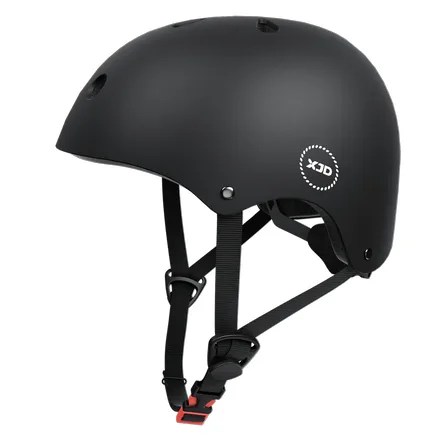
7-in-1 Kids Helmet & Protective Gear Set from XJD – Black or Blue
If you're outfitting one kid (or a couple of siblings) for biking, scootering, o…$59.99
-
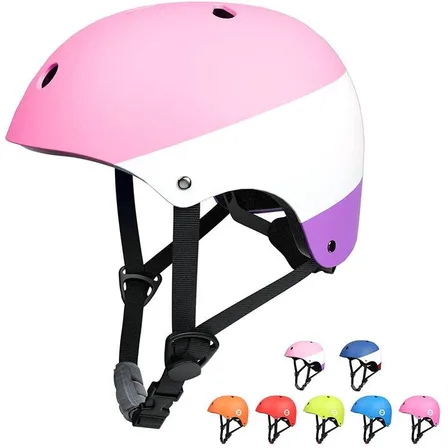
XJD Kids Bike Helmet for Boys & Girls, B White / Pink White
The XJD Kids Bike Helmet covers a wide age range — suggested for ages 2 through …$59.99
-

Blue XJD Girls Bike with Training Wheels – 12/14/16 Inch
If you're shopping for a first pedal bike for a daughter roughly 3 to 8 years ol…$149
$169