

What age does 20 inch bike suit
A 20-inch bike generally suits children ages 7–12 who are 48–60 inches (122–152 cm) tall, but age is only a starting point. Measure the rider and check stand-over clearance, reach, brake control and confidence before choosing.
Start with height, not the birthday
Under the XBikes sizing starting points, 20-inch wheels correspond to ages 7–12 and a rider height of 48–60 inches (122–152 cm). Children of the same age can have very different proportions and riding ability, so height gives you a more useful first comparison than age alone.
Measure the child without shoes, standing straight against a wall. Record total height. Then measure inseam from the floor to the crotch while the child stands with feet slightly apart. Inseam is not used here to assign a numerical wheel size; it helps you check the actual frame’s stand-over clearance.
What to check on the actual 20-inch bike
A size chart narrows the search, but the child should still try the bicycle. The American Academy of Pediatrics’ HealthyChildren guidance supports checking the real fit and avoiding an oversized bicycle bought merely for future growth.
- Stand-over: With the child straddling the bicycle, confirm that they can stand securely rather than being forced onto tiptoes or against the frame.
- Seat position: Check that starting, stopping and putting a foot down feel controlled at an appropriate seat setting. Follow the product manual for adjustment limits.
- Reach: The rider should reach the handlebar without stretching, locking the elbows or losing a stable seated position.
- Brake control: The child must be able to reach and operate the fitted brakes confidently. Do not assume wheel size guarantees suitable hand reach.
- Confidence: Watch a start, straight ride, turn and controlled stop in a safe practice area. Hesitation or loss of control is a reason to reassess the fit.
Compare the neighbouring XBikes size ranges
| Wheel size | XBikes age starting point | XBikes height starting point |
|---|---|---|
| 16 Inch | Ages 4–7 | 40–48 in / 102–122 cm |
| 20 Inch | Ages 7–12 | 48–60 in / 122–152 cm |
| 24 Inch | Ages 10–14 | 54–64 in / 137–163 cm |
The overlap between the 20-inch and 24-inch age bands shows why age cannot settle the choice. A 10- to 12-year-old may appear in either starting range, but measured height and an individual control check determine which bicycle should remain under consideration. A rider below 48 inches should not be moved to a 20-inch bike simply to allow room for growth.
How the supplied products help with this decision
The catalog options provide two confirmed 20-inch choices to inspect and one smaller-size comparison. That makes them useful for comparing the requested wheel size with the child’s measurements, while their exact configurations still need to be checked on their individual product pages and manuals.
 XJD Kids Bike for Girls – Pink, 12/14/16/20 Inch with Training Wheels
Includes a supplied 20 Inch SKU label, making it relevant for riders who match the XBikes height starting point and pass an individual fit and control check.
 XJD Light Purple Girls Bike with Basket, Training Wheels, 12/14/16/20 Inch
Its supplied SKU labels stop at 16 Inch despite “20 Inch” appearing in the exact title, so it is a smaller-size comparison rather than a confirmed 20-inch option.
 XJD Kids Beach Cruiser Bicycle, Rear Rack & V-Brakes, Mint Green
Offers supplied 20 Inch, 24 Inch and 26 Inch labels, making it relevant for comparing the requested size with larger catalog options after measuring the rider.
Catalog options with a supplied 20-inch size
XJD Kids Bike for Girls – Pink, 12/14/16/20 Inch with Training Wheels is categorized as a Training Wheel Bike, and its supplied size labels include 12 Inch, 14 Inch, 16 Inch and 20 Inch. Its 20-inch label makes it relevant when the rider is within the XBikes 20-inch starting range and passes the physical fit checks.
XJD Kids Beach Cruiser Bicycle, Rear Rack & V-Brakes, Mint Green is categorized as a Beach Cruiser Bike. Its supplied labels are 20 Inch, 24 Inch and 26 Inch, so it can help compare a 20-inch option with larger catalog sizes. The exact title identifies a rear rack and V-brakes, but suitability still depends on the child’s reach and ability to operate the brakes.
A useful smaller-size comparison
XJD Light Purple Girls Bike with Basket, Training Wheels, 12/14/16/20 Inch is categorized as a Training Wheel Bike. Although “20 Inch” appears in its exact catalog title, the supplied available SKU labels list only 12 Inch, 14 Inch and 16 Inch. Treat it as a smaller-size comparison, not as an available 20-inch option, unless the storefront’s verified selection information changes.
When a 20-inch bike is not the right choice
Do not choose 20 inches solely because the child is seven, because a sibling used that size, or because a larger bicycle seems more economical. Reconsider it if the rider is outside the 48–60-inch starting range, cannot stand securely over the frame, must stretch to steer, cannot operate the brakes, or loses confidence during basic starts and stops.
If the measurements sit near a boundary, compare the actual bicycles rather than automatically sizing up. Follow the exact product manual for assembly, adjustments, compatibility, maintenance and any limits not stated here; use a qualified bicycle mechanic when correct setup is uncertain.
Make the final 20-inch decision
Measure height and inseam, shortlist 20-inch models only if the 48–60-inch height starting point is relevant, and have the child try the exact bicycle. Confirm stand-over, comfortable reach, reliable brake operation and controlled riding. Finish by fitting a bicycle helmet that sits level and uses its straps according to the helmet manufacturer’s instructions, as advised by the U.S. Consumer Product Safety Commission. If any fit or control check fails, do not buy the 20-inch bike for future growth.
Bikes for your next adventure
-

XJD Boys 12/14/16" Training Wheel Bike – Blue
The XJD Boys Bike in Blue is a training wheel bike for riders 71–122 cm tall—rou…$169
$199 -

26-Inch XJD Beach Cruiser Bike for Girls – Purple, V-Brake
This XJD 26-inch purple beach cruiser is sized for big kids and teens — suggeste…$218.49
$229.99 -
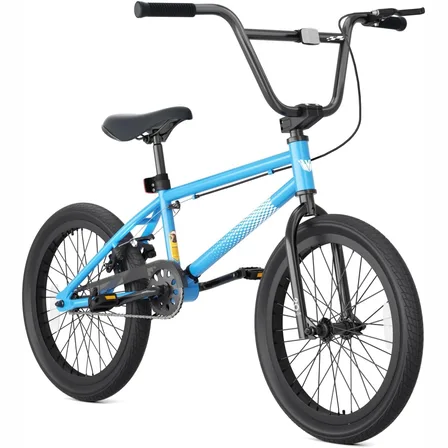
Blue XJD Freestyle BMX Bike, 20-Inch – No Pegs
The XJD 20-Inch Blue Freestyle BMX is an entry-level BMX bike for boys and girls…$189.99