

What is a good entry level bike for a teen
A good entry-level bike for a teen is the smallest wheel size that fits their measured height, inseam, reach, brake control and confidence—not a larger bike bought for future growth.
Start with height, then confirm the fit in person
Measure the teen’s height without shoes and measure the inseam from the floor to the crotch. Use height to choose a starting wheel size, then have the teen try the actual bicycle. Age is only a rough reference because teenagers of the same age can have very different proportions and experience.
| Wheel size | XBikes starting point | Likely relevance to a teen |
|---|---|---|
| 20 Inch | Ages 7–12; height 48–60 in / 122–152 cm | Consider only for a shorter teen whose individual fit and control are confirmed. |
| 24 Inch | Ages 10–14; height 54–64 in / 137–163 cm | A common starting comparison for teens within this height range. |
| 26 Inch | Youth and adults over 60 in / 153 cm | A starting comparison for taller teens, subject to frame fit and control. |
These ranges overlap intentionally. A rider near a boundary should compare adjacent sizes rather than assuming the larger wheel is automatically appropriate.
Use a short test-ride checklist
A suitable entry-level bike should let the teen stand over it comfortably, get on and off without struggling, reach the handlebar without an awkward stretch, steer predictably and operate the brakes with control. Their hands should reach the brake controls naturally while maintaining a secure grip.
- Check stand-over clearance and whether the bicycle can be balanced confidently while stopped.
- Watch for excessive reaching, locked elbows or difficulty turning the handlebar.
- Confirm that the teen can start, stop and brake in a controlled way.
- Ask whether the bicycle feels manageable rather than merely whether they can ride it.
Do not choose an oversized bicycle solely to leave room for growth. If the rider cannot control it now, it is not a good entry-level fit.
Compare the bike with the riding the teen will actually do
Fit comes first, but the intended riding still matters. Before comparing models, identify where the teen expects to ride most often and whether the bicycle’s category matches that use. A relaxed neighborhood ride creates a different buying decision from riding that requires another bicycle category.
Also inspect how easily the teen can handle the bicycle during ordinary moments: moving off, slowing down, turning, stopping and getting off. Entry level should mean understandable and controllable for this rider, not simply a particular wheel size or category label.
How the supplied XBikes option fits this decision
The XJD Pink Beach Cruiser for Girls – Rear Rack & V-Brake is a Beach Cruiser Bikes model offered with 20 Inch, 24 Inch and 26 Inch SKU labels. That range makes it useful for comparing three relevant starting sizes against the teen’s measured height. Its exact catalog title also identifies a rear rack and V-brake. Those facts do not establish fit by themselves, so the teen must still try the selected size and demonstrate comfortable reach, stand-over and brake control.
This particular catalog option helps answer the question because its available wheel-size labels span shorter, mid-range and taller youth starting points, allowing a parent to compare size candidates within one listed model rather than treating age alone as the deciding factor.
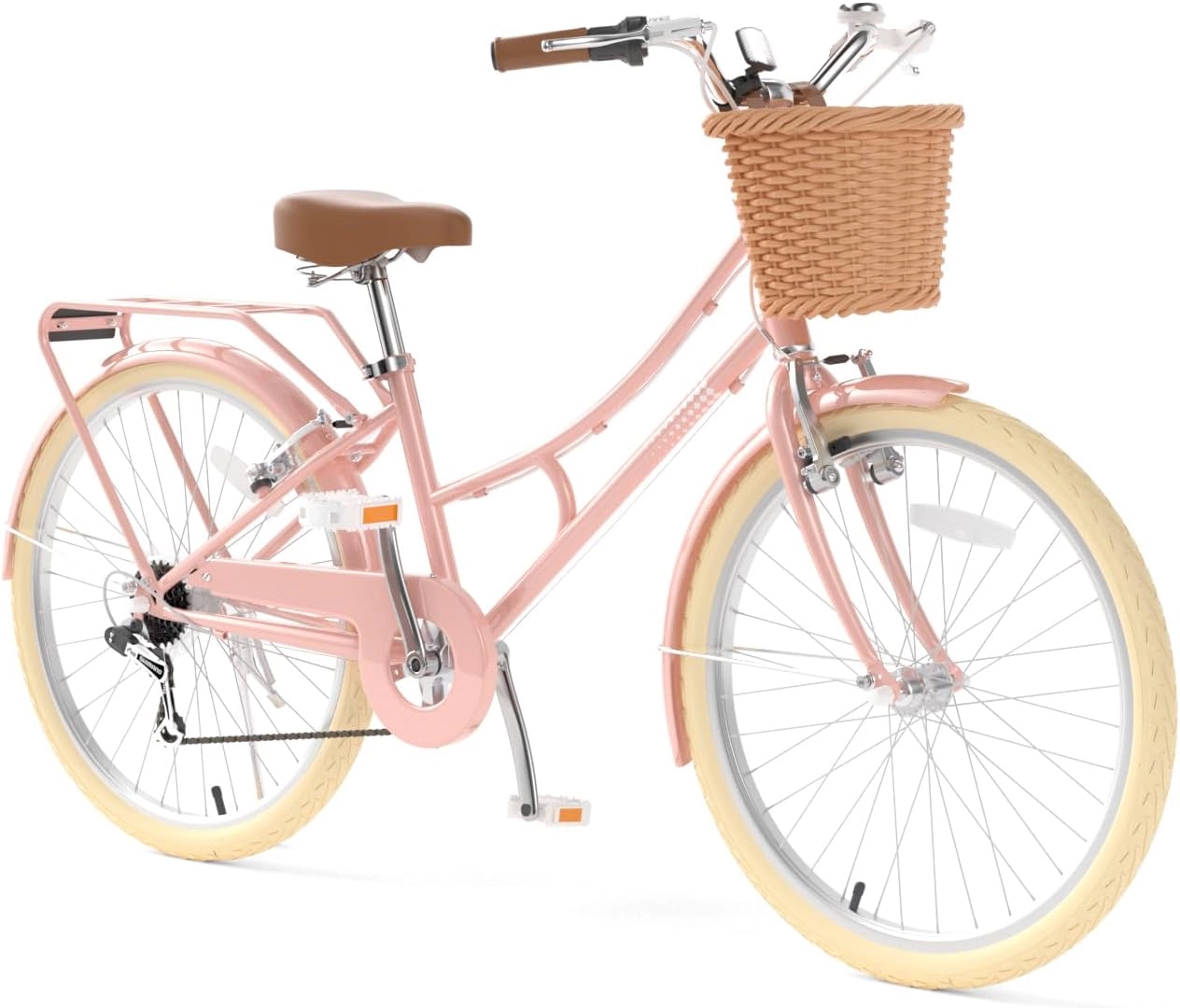
The 20 Inch option is relevant only when the teen’s measurements and individual fit support it; it should not be dismissed just because of age. The 24 Inch option is a logical comparison within the supplied 54–64 in / 137–163 cm starting range. The 26 Inch option becomes a starting point over 60 in / 153 cm, but it is not automatically suitable for every teen above that height.
Because the supplied model is categorized as a beach cruiser, treat it as relevant when that category matches the intended riding. If it does not, use its sizes only as fit comparison points while looking for the appropriate bicycle category. Do not infer weight, materials, load capacity or other specifications that are not provided.
Check setup, helmet fit and unresolved specifications
Before riding, use a bicycle helmet that fits properly, sits level and has straps adjusted according to the helmet manufacturer’s instructions. A helmet that is tilted or loosely secured is not properly fitted.
For assembly, adjustments, maintenance, rack load limits, component compatibility and torque settings, follow the exact product manual or ask a qualified bicycle mechanic. Do not guess at settings or limits. After setup, repeat the reach and brake-control check because adjustments can change how manageable the bicycle feels.
Make the final entry-level choice
Measure the teen, shortlist the matching 20 Inch, 24 Inch or 26 Inch starting point, and have them compare the actual fit. Choose the size they can stand over, steer and brake confidently today. If the XJD cruiser category suits the planned riding and the selected SKU passes that check, it is relevant; if either the fit or category is wrong, keep comparing rather than sizing up for growth.
Bikes for your next adventure
-
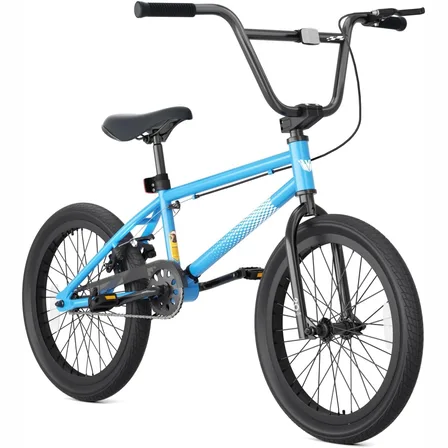
Blue XJD Freestyle BMX Bike, 20-Inch – No Pegs
The XJD 20-Inch Blue Freestyle BMX is an entry-level BMX bike for boys and girls…$189.99
-
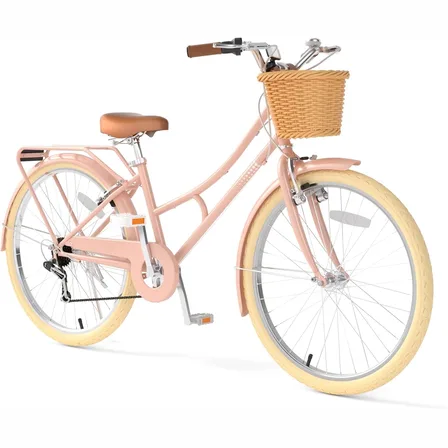
Pink XJD Beach Cruiser Bike, 24"/26", U-Brake
The XJD Pink Beach Cruiser Bike is a single-speed cruiser built for older kids a…$159.99
-
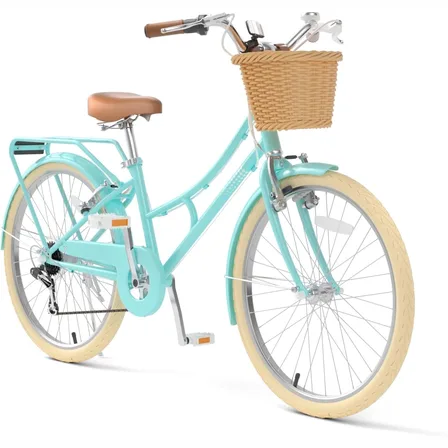
XJD Kids Beach Cruiser Bicycle, Rear Rack & V-Brakes, Mint Green
The XJD Beach Cruiser in Mint Green is a geared, multi-speed cruiser bike for ol…$179.99
$209.99